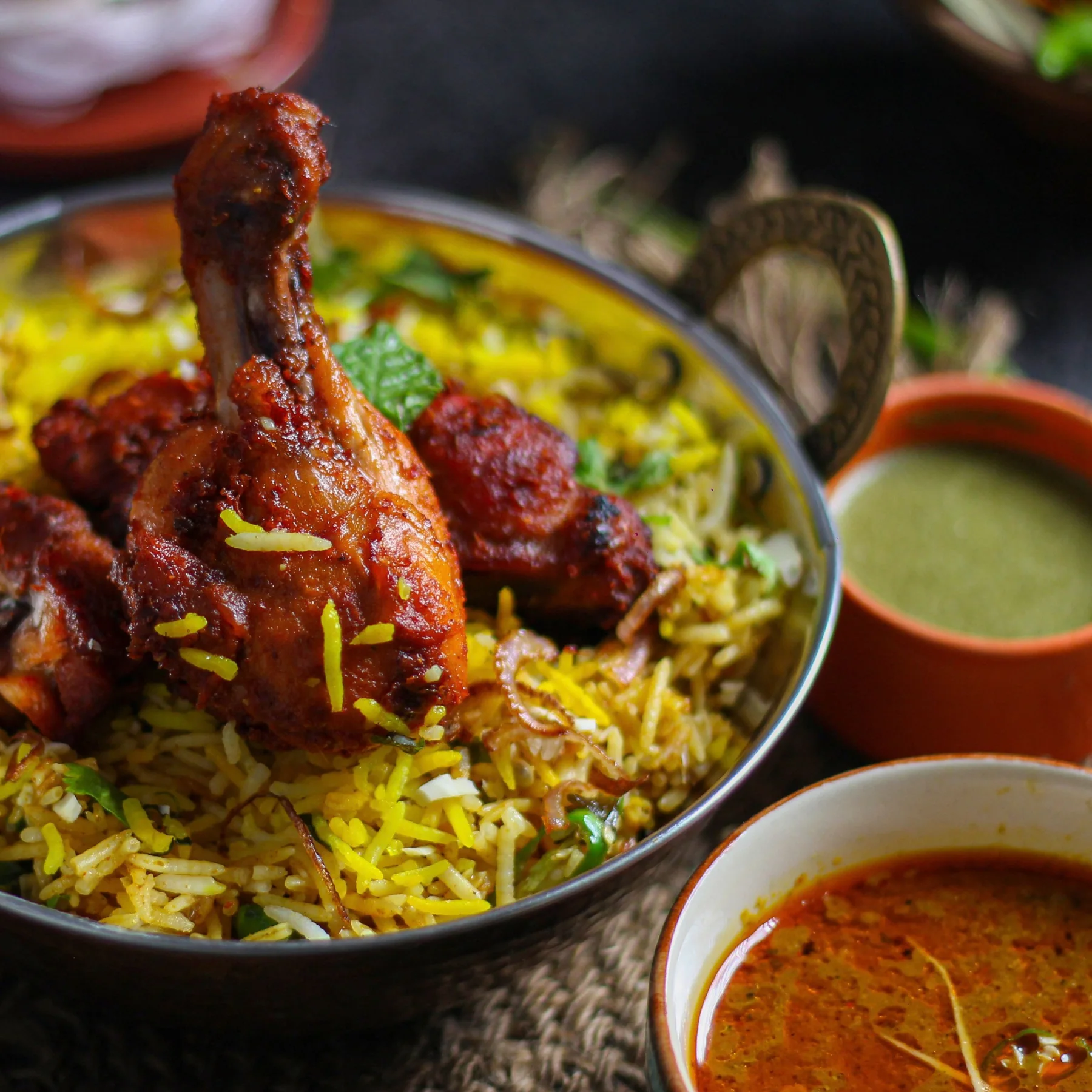
Nawab’s Indian Cuisine in Springfield, Missouri, is preparing to discontinue its buffet and move the restaurant toward a fast-casual operating model. The restaurant at 3654 S. Campbell Avenue announced the change Sept. 18, making clear that the business itself will remain open even as its all-you-can-eat service ends.
The distinction is important because buffet closures are often mistaken for restaurant closures. In this case, Nawab’s is not leaving the market. It is changing how customers order and how the kitchen produces food, with management citing food costs, broader operating expenses and staffing challenges as reasons for moving away from the buffet.
The Springfield Restaurant Is Closing the Buffet, Not the Business
Nawab’s has not announced a final buffet date, nor has it described the new fast-casual ordering process in enough detail to know exactly how service will work. Those unresolved details make the transition a developing story rather than a completed conversion.
The move illustrates one of the structural pressures that repeatedly shows up in buffet economics. A buffet commits a restaurant to producing variety before every item has a buyer, maintaining food safely across an entire service period and staffing both kitchen and dining-room functions around replenishment. When ingredient and labor costs rise, the very abundance that makes the format attractive can become the cost center management tries to reduce.
Nawab’s Says Costs and Staffing Are Driving the Format Change
Indian restaurants have also used buffets as a particularly effective lunch format because they let diners sample multiple curries, breads, rice dishes and sides without committing to a single entrée. Losing that format changes not only the economics of Nawab’s but the way first-time customers can explore the menu.
For Springfield diners, the immediate question is timing. The buffet is going away; Nawab’s just has not yet said which service will be the last one.