
Yukga Korean BBQ
Cuisine
Meal Periods
Dining Format
Phone
Website
Cuisine
Meal Periods
Dining Format
Phone
Website
EXPERIENCE
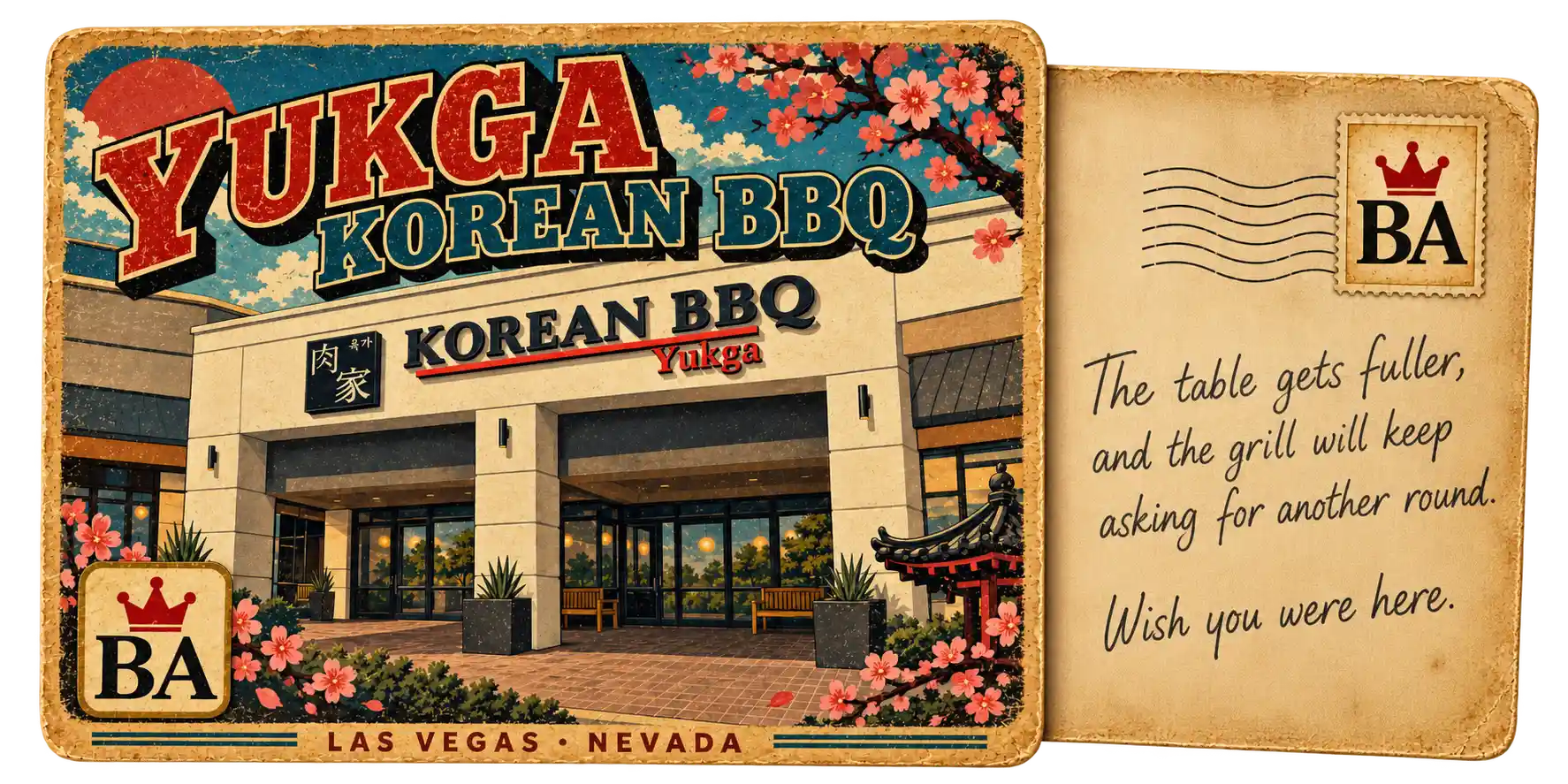
Yukga Korean BBQ is a west-side Las Vegas all-you-can-eat Korean barbecue restaurant built around tiered ordering and in-table grilling. The restaurant occupies a 4,113-square-foot space at Village Square on West Sahara Avenue, in the former Bachi Burger location. The proposition is straightforward: choose an AYCE level, order meats in rounds, cook them over the table grill, and work soups, small dishes, vegetables and noodles into the meal as you go.
The dining room is roomy and contemporary. Large tables and booths are especially useful here because Korean barbecue fills a table quickly: raw meat trays, banchan, sauces, tongs and finished plates all compete for space around the grill. Staff circulate closely enough to change cooking grates and, when needed, help with cuts that are less familiar. That keeps the meal moving without turning the grill into a purely self-service exercise.
Yukga also has a useful geographic identity within Las Vegas. Many of the city’s best-known Korean barbecue restaurants cluster around Spring Mountain Road; Yukga puts the full AYCE format farther west, near Summerlin and the Peccole Ranch area. It feels more like a neighborhood Korean barbecue restaurant than a Strip-adjacent event, but the menu is broad enough to support the same long, shared-table style of meal.
Early rounds can stay with brisket, pork belly and bulgogi, while later orders move toward galbi, specialty beef cuts, seafood or intestines. Soups and cold noodles give the table a break from the grill, and a Melona ice cream bar provides a simple finish. Yukga’s appeal is that the format is easy to understand at the start while still leaving room to become more adventurous as the meal develops.

FOOD
Yukga’s food program starts with the familiar structure of Korean barbecue: raw meats arrive at the table, the grill becomes the center of the meal, and the AYCE tier determines how far the selection extends. The entry level already covers the essentials well enough for a complete meal, with beef brisket, beef belly, bulgogi, sliced pork belly, spicy pork and chicken among the recurring choices. These are the cuts that make repeated rounds easy because they cook quickly and can be alternated with kimchi, sauces and vegetables without much planning.
Beef is where the higher tiers open the menu up. LA galbi brings cross-cut short ribs with a sweet-savory marinade; thin galbi offers a quicker-cooking version of the same short-rib idea. Seasoned rib finger has more chew and concentrated beef flavor, while hanging tender is a thicker, steak-like cut. Ribeye, New York steak, beef tongue, short rib and original galbi appear among the premium selections, with some of those upper-tier items portion-limited rather than endlessly reordered.
Pork and chicken keep the grill from becoming an all-beef exercise. Sliced pork belly gives you the fatty, crisp-edged Korean barbecue staple, while pork jowl brings a firmer bite and rich marbling. Spicy pork adds a seasoned option that can take more char without losing its identity. Chicken appears in soy and spicy preparations, useful when the table wants something lighter between heavier beef and pork rounds.
The more distinctive part of Yukga is its willingness to keep Korean organ cuts inside the AYCE conversation. Small intestine and large intestine provide the springy, fatty textures associated with gopchang and daechang, while abomasum adds another beef offal option for diners who want to move beyond standard steak cuts. Squid and half-shell scallop extend the grill into seafood. These choices are not necessary to enjoy Yukga, but they give the upper tiers a reason to exist beyond simply adding more conventional beef.
The side-dish program is compact but useful. Kimchi pancake can bring a crisp, savory break from the grill, fried mandu add dumplings to the table, and corn cheese supplies the sweet-creamy combination that has become a Korean barbecue favorite. Fried chicken, steamed rice, onions, mushrooms, zucchini and lettuce or radish wraps broaden the meal without distracting from the meat. The sauces matter too, especially when moving between plain cuts and marinated ones.
Soups and noodles are substantial enough to consider introducing to the meal. Soft tofu soup is one of the recurring anchors, with seafood and kimchi variations also appearing. Soybean-paste soup offers a more earthy, fermented broth. Cold noodles and spicy cold noodles are especially useful after several grill rounds: chilled broth or chile seasoning cuts through the accumulated richness. Bibimbap adds rice, vegetables and egg, while japchae brings chewy glass noodles with vegetables and seasoned beef.
FOOD HIGHLIGHTS
♛ LA Galbi — marinated cross-cut short ribs built for caramelization over the grill.
♛ Thin Galbi — thin-cut short rib for quick cooking and concentrated marinade.
♛ Seasoned Rib Finger — chewy, deeply beefy strips from the rib area.
♛ Hanging Tender — steak-like beef cut with a substantial bite.
♛ Beef Brisket — thin slices that cook quickly and start a round easily.
♛ Sliced Pork Belly — fatty Korean barbecue staple that crisps at the edges.
♛ Pork Jowl — marbled pork with a firmer chew than belly.
♛ Large Intestine — rich, springy offal cut for a more adventurous round.
♛ Seafood Tofu Soup — soft tofu, shrimp and clams in hot broth.
♛ Spicy Cold Noodles — chilled noodles that cut through grilled-meat richness.
♛ Kimchi Pancake — crisp-edged savory pancake for a break from meat.
♛ Melona Ice Cream Bar — cold, fruity finish after the tabletop grill.
LATEST FROM THE WIRE
November 1, 2026
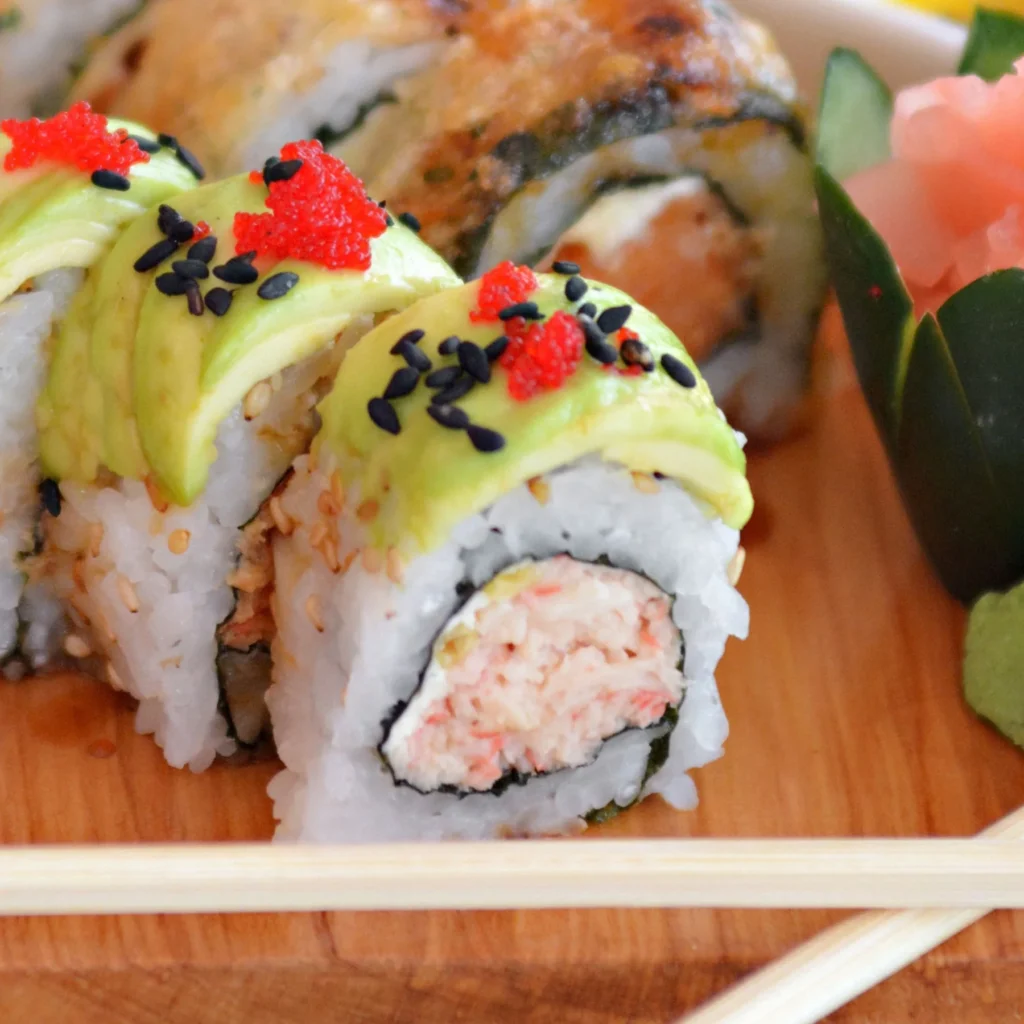
Sun Sushi and Grill Plans AYCE Restaurant in Former Phoenix AZ Cantina
A 5,750-square-foot proposal would bring sushi to a longtime West Greenway Road restaurant address.
November 1, 2026
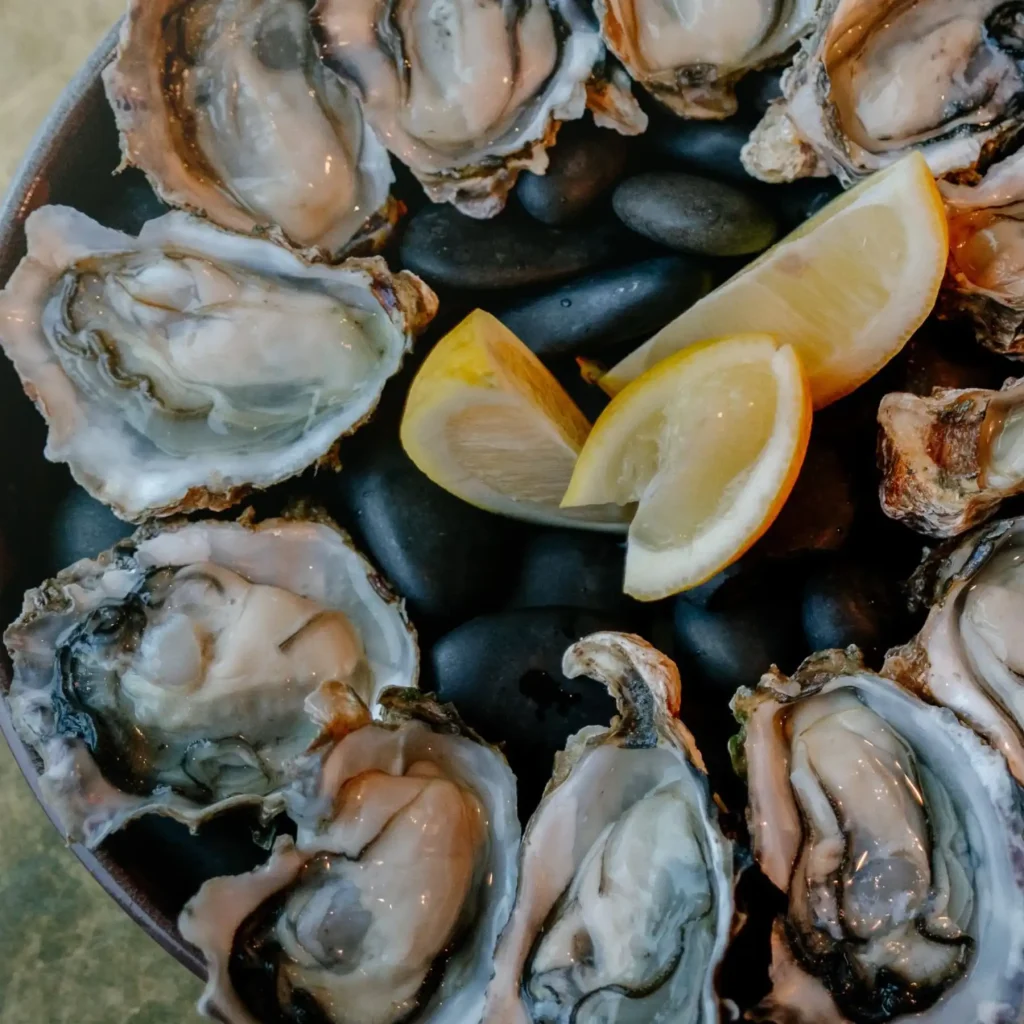
Waterman’s Crab House Launches Saturday Land & Sea Buffet in Rock Hall MD
Crab legs, oysters and prime rib headline a $45 buffet as the harbor restaurant explores off-season service.

NEWEST RESTAURANT PROFILES
Witch Topokki
Troy,
Michigan

5th Tavern
Bloomfield Township,
Michigan

The Whitney
Detroit,
Michigan

Shaad Deshi Cuisine
Warren,
Michigan