
The Blue Nile
Cuisine
Meal Periods
Dining Format
Phone
Website
Cuisine
Meal Periods
Dining Format
Phone
Website
EXPERIENCE
The Blue Nile makes an Ann Arbor dinner out of a shared Ethiopian vegetarian feast. Seven vegetable preparations arrive with injera, the bread that serves as both accompaniment and utensil, and the feast is all you care to eat. Tear off a piece, gather a bite and settle into a meal that gives the table something to share beyond conversation.
The unlimited meal is vegetable-led, with lentils, split peas, greens, cabbage and mixed vegetables supplying distinctly different preparations. Meat dishes are optional additions sold by the serving, so they needn’t define the occasion. A table can have a full dinner built around the vegetarian feast itself. It’s a particularly useful choice for a gathering that wants plant-based food to be the main attraction.
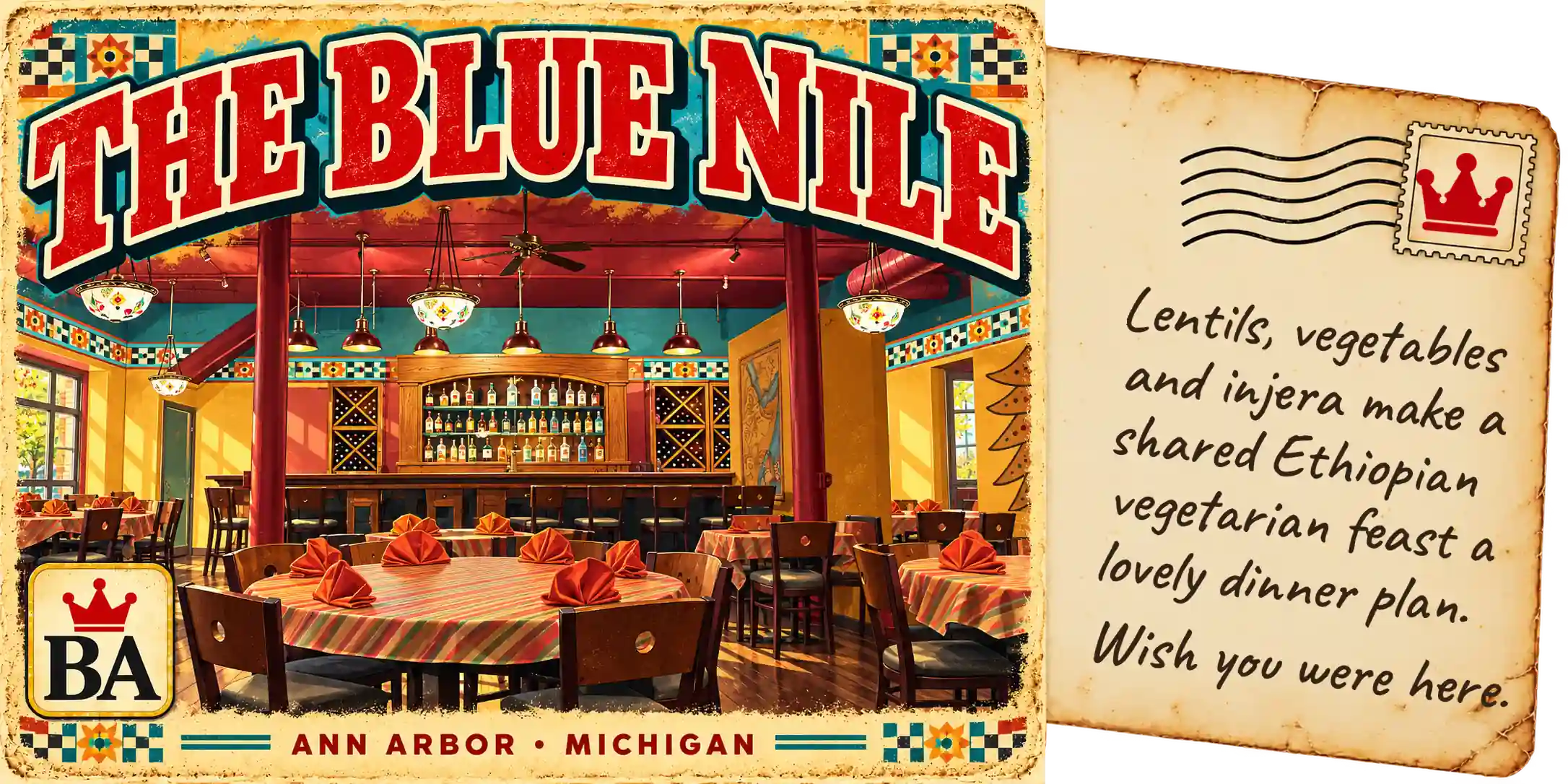
The dining room adds plenty of color to the gathering. Ochre walls, dark red columns and a band of geometric tile frame the wooden bar, while striped tablecloths and hanging lamps continue the warm palette. The room feels suited to company and an unhurried dinner, with the shared platter providing a natural reason to keep everyone’s attention near the middle of the table.
Located on East Washington Street, The Blue Nile has a longstanding place in downtown Ann Arbor’s dining life and a family connection to the separately operated Ferndale restaurant. Here, the appeal remains very direct: Ethiopian cooking, a sociable way of eating and refills of the vegetarian dishes. The bread is doing more than waiting politely beside the plate. It has an essential job, and the feast gives it seven good reasons to stay busy.

FOOD
The vegetarian feast brings seven vegetable dishes together with injera. This is the core all-you-care-to-eat meal at The Blue Nile, and it gives lentils, split peas and greens as much attention as many menus give meat. The preparations differ in their vegetables and seasoning, with mild dishes beside those made with the restaurant’s spicy berbere sauce. It’s a compact selection with plenty to distinguish one helping from another.
Yemisir kik wat is the red-lentil dish, cooked with onions and herbs in spicy berbere sauce. It supplies one of the feast’s more assertively seasoned choices. Defen yemisir alecha uses green lentils with ginger, garlic, jalapeños, onion and mild spices. The two dishes show why a lentil course needn’t mean one familiar preparation repeated across the platter; the menu gives each its own character.
Kik alecha brings yellow split peas cooked with onions, herbs and mild spices. Metin shiro wat takes yellow split peas in another direction: they’re roasted and ground, then slowly cooked with spicy berbere sauce, onion and herbs. These aren’t merely different names for the same accompaniment. One centers whole split peas and mild seasoning; the other uses ground peas and the spicy sauce.
Gomen is the feast’s collard-green preparation, gently cooked with onions, ginger, garlic, jalapeño and spices. The greens give the platter a distinct vegetable course alongside the legumes. Their inclusion is part of what makes this a proper vegetable feast: several kinds of produce receive their own cooking, rather than a single mixed side being asked to represent the whole garden.
Tekil gomen uses green cabbage simmered with onions, ginger, garlic, jalapeño and Ethiopian spices. The cabbage is separate from the collard greens, just as the mixed-vegetable dish is separate from both. That latter preparation combines potatoes, carrots and green beans, stewed with the same aromatic family of onion, ginger, garlic and jalapeño. Familiar vegetables acquire a clear place of their own within the shared meal.
Injera makes all of those preparations practical to eat together. The soft bread is torn into pieces and used to scoop the food from the platter, so it belongs to the meal rather than being an afterthought in a basket. A bite can focus on a single vegetable preparation or include neighboring dishes. Refills keep the favorite parts of the feast in play as dinner continues.
The vegetarian dishes contain no dairy products or nuts according to the restaurant’s menu. Timatim salata and the other appetizer salads are separate orders, as are the chicken, beef and lamb additions. Those distinctions leave the unlimited feast easy to understand: seven vegetable preparations and injera, with optional extras for anyone who wants them. There is no need to add meat simply to make this dinner feel complete.
FOOD HIGHLIGHTS
♛ Yemisir Kik Wat — red lentils with onions, herbs and spicy berbere sauce.
♛ Defen Yemisir Alecha — green lentils with ginger, garlic and mild spices.
♛ Kik Alecha — yellow split peas with onions, herbs and mild seasoning.
♛ Metin Shiro Wat — roasted, ground split peas slowly cooked in berbere sauce.
♛ Gomen — collard greens cooked with ginger, garlic, onion and jalapeño.
♛ Tekil Gomen — simmered cabbage with Ethiopian spices and aromatics.
♛ Mixed Vegetables — potatoes, carrots and green beans in their own preparation.
♛ Injera — bread for gathering each bite of the shared feast.
LATEST FROM THE WIRE
November 1, 2026
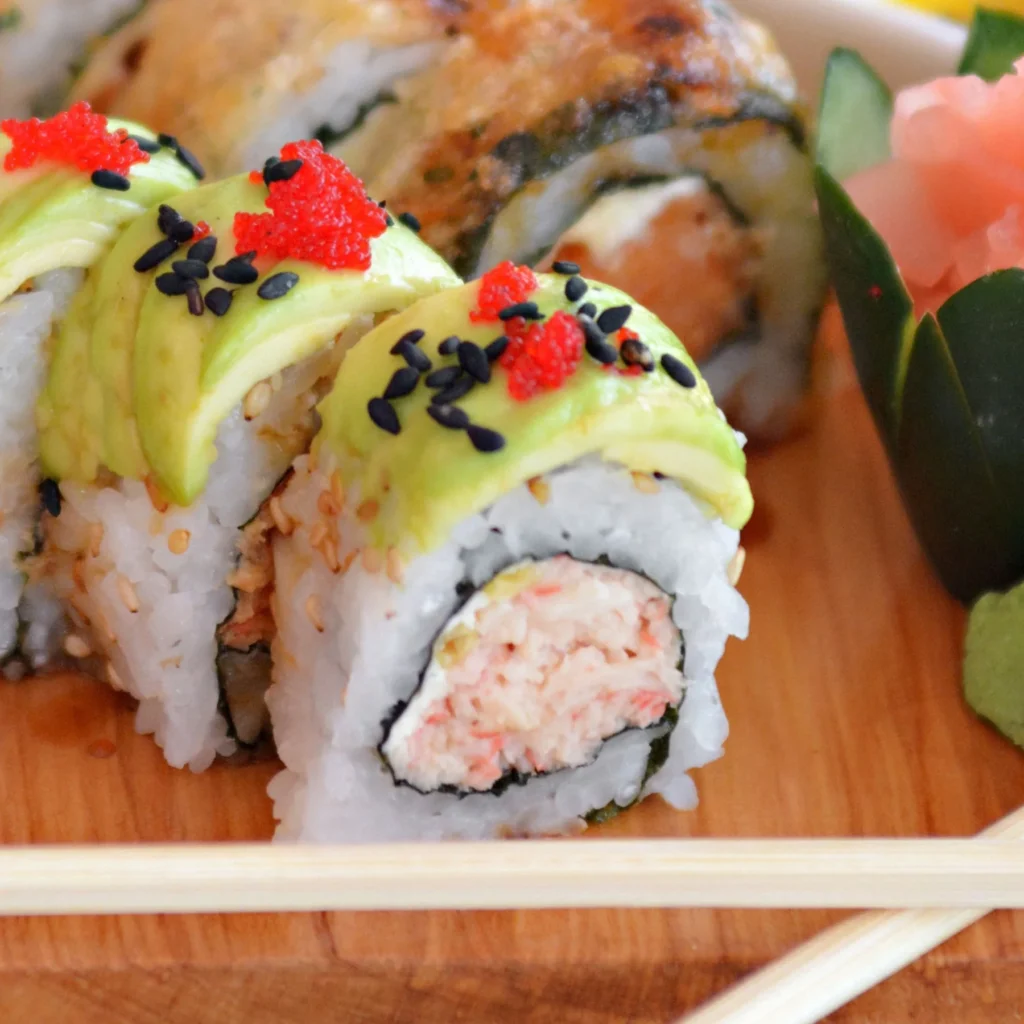
Sun Sushi and Grill Plans AYCE Restaurant in Former Phoenix AZ Cantina
A 5,750-square-foot proposal would bring sushi to a longtime West Greenway Road restaurant address.
November 1, 2026
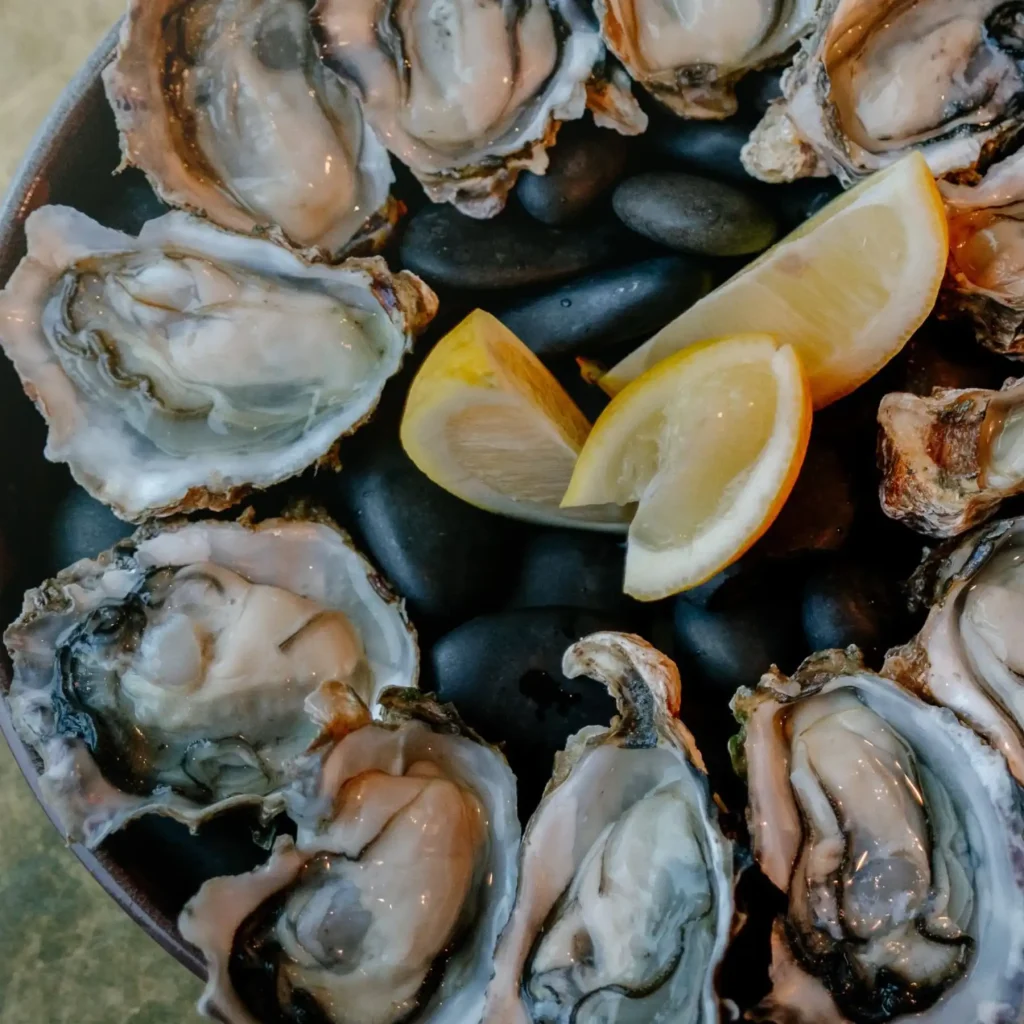
Waterman’s Crab House Launches Saturday Land & Sea Buffet in Rock Hall MD
Crab legs, oysters and prime rib headline a $45 buffet as the harbor restaurant explores off-season service.

NEWEST RESTAURANT PROFILES
Witch Topokki
Troy,
Michigan

5th Tavern
Bloomfield Township,
Michigan

The Whitney
Detroit,
Michigan

Shaad Deshi Cuisine
Warren,
Michigan