
Cuisine
Meal Periods
Dining Format
Price Range
$17 - $20
Website
Cuisine
Meal Periods
Dining Format
Price Range
$17 - $20
Website
EXPERIENCE
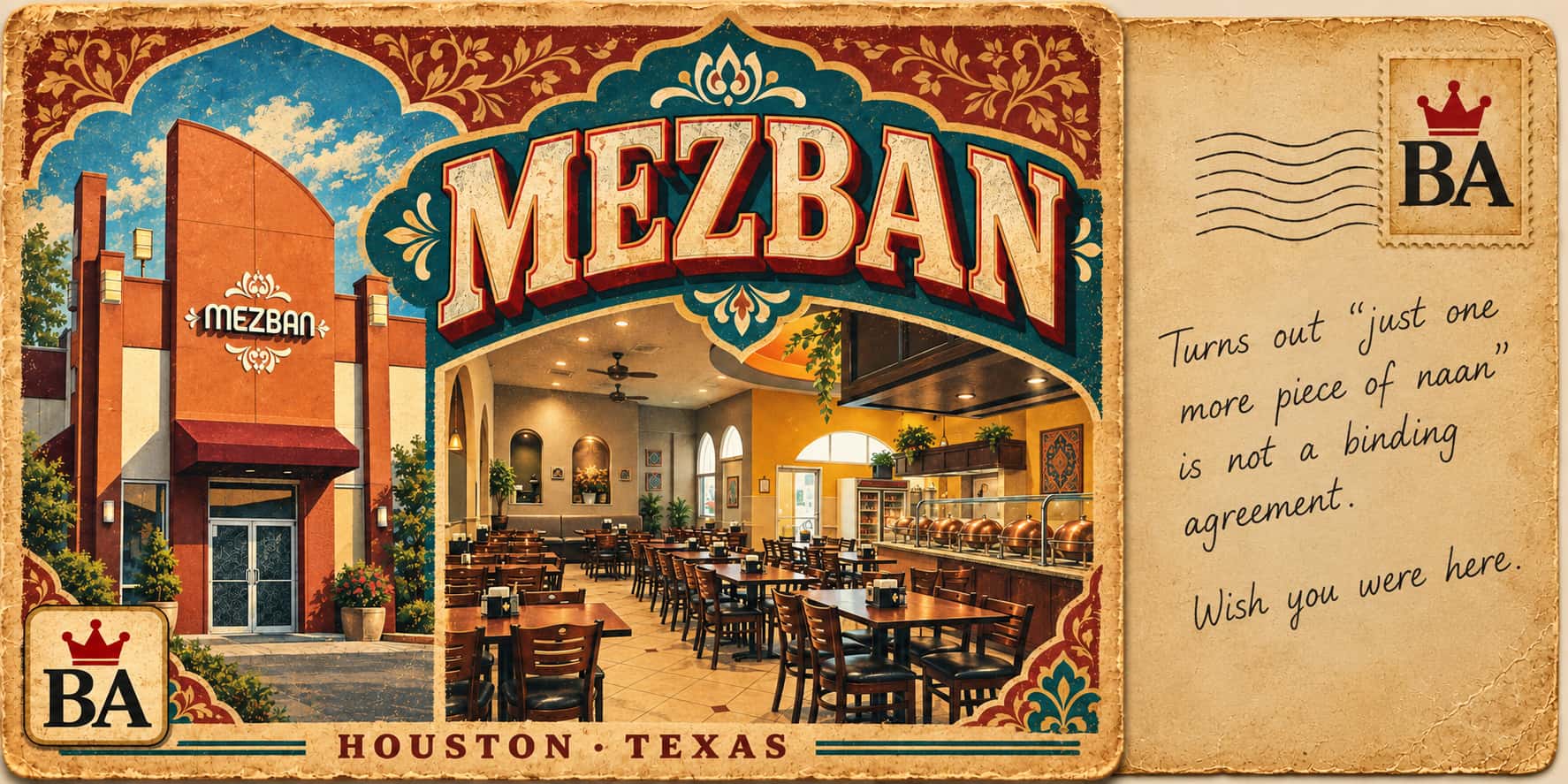
Mezban feels built around feeding its surrounding community. Tucked into a Harwin Drive shopping center in Houston’s Mahatma Gandhi District, it grew out of a catering operation, and that practical streak still shapes the room. The dining area is straightforward, tidy and comfortably local, while the buffet spreads across several serving positions instead of one compact island. A first lap is useful simply for seeing how the pieces fit together.
The layout is easy to understand. Mezban runs an all-you-can-eat buffet every day, with the selection rotating through the week. Plates move between rice, curries, grilled meats, vegetables, chaat-style starters and sweets, while fresh naan gives the meal a made-for-the-table element. Used plates tend to disappear quickly, making repeated trips feel natural rather than fussy.
What gives the experience its personality is the Pakistani spine of the menu. Familiar North Indian buffet touchstones share the line with beef, goat and mutton dishes, kebabs, biryani and slow-cooked preparations that make the spread feel more like a cross-section of a Pakistani family feast. The room does not need ornate décor to carry that identity; the food does most of the work, and the casual setting makes unfamiliar dishes unusually approachable.
That makes Mezban especially useful for anyone who knows “Indian buffet” but has never sorted out where Pakistani cooking bends the shared South Asian vocabulary in another direction. This is not a rigid culinary border—Punjabi, Mughlai and regional traditions overlap deeply—but the weighting is different. A lunch can move from palak paneer and daal to Bihari kebab, goat curry, haleem and biryani in the space of two plates. The pleasure is in letting the buffet do the introduction.

FOOD
Mezban’s buffet is most interesting when it is read as Pakistani first and broadly South Asian second. Pakistani and northern Indian cooking share a great deal of culinary history, especially across Punjab, so the line still contains plenty of familiar buffet language: paneer, lentils, chickpeas, naan, rice and tomato-based gravies. The distinction comes in emphasis. Meat plays a larger role, especially beef, goat and mutton, and the buffet gives more room to kebabs, tandoor cooking, biryani and long-cooked stews.
Biryani is one of the clearest anchors. Mezban regularly works with both chicken and beef versions, layering basmati rice with meat, browned onion and warm spices so the rice carries its own aroma rather than serving merely as a neutral base for curry. It is worth tasting before flooding the plate with sauces. Pakistani biryani can be assertive on its own, and at a buffet it often becomes the bridge between grilled meats and wetter gravies.
The barbecue side pushes the meal further from the standard curry-heavy buffet template. Chicken tikka brings yogurt-marinated pieces roasted until the edges darken, while beef Bihari kebab represents a more specifically Muslim South Asian tradition: thin, intensely seasoned beef, traditionally tenderized and grilled until smoky and soft. Seekh-style kebabs and malai-marinated chicken belong to the same broader family, trading saucy richness for char, spice and texture.
Goat and mutton are another important clue. Goat curry has been a recurring Mezban draw, and dishes such as balti gosht or karahi-style meats put the emphasis on the meat itself rather than a cream-forward sauce. Karahi takes its name from the deep, wok-like pan in which meat is cooked over high heat with tomatoes, ginger, green chile and spices. It is one of those dishes that instantly makes a Pakistani buffet feel different from a generic Americanized Indian spread.
Then come the slow-cooked dishes. Haleem is a thick, almost porridge-like mixture of meat, wheat and lentils cooked until the grains and meat become one texture; it is hearty, savory and far more substantial than a spoonful of ordinary daal. Mezban’s broader kitchen also works with nihari, a deeply spiced beef stew associated with long, slow cooking and traditionally eaten with naan. These are useful “education by spoonful” dishes because they reveal how much Pakistani comfort food is built on patience rather than cream.
The familiar vegetarian side matters because it gives all that meat and spice somewhere to land. Palak paneer pairs mild cheese with a spinach gravy; daal brings earthy lentils; chickpeas can arrive as curry or as a brighter salad or chaat with tamarind and herbs. Raita cools the plate, and naan is essential for sweeping through whatever gravy remains. Samosas and pakoras, when present, supply the crisp opening bites many Indian-buffet regulars will recognize immediately.
Dessert is usually a smaller coda rather than the main event. Kheer, the gently spiced rice pudding, is the most natural finish to a plate this savory, while kulfi and syrup-soaked sweets sit within Mezban’s broader repertoire. The buffet rotates, so no single visit should be treated as a permanent inventory. That variability is part of the appeal: the constants are the Pakistani structure—rice, grilled meat, slow-cooked gravies, naan and spice—while the particular dishes give each trip a slightly different lesson.
FOOD HIGHLIGHTS
♛ Chicken Tikka — tandoor-roasted chicken with spice, char and smoky edges.
♛ Beef Bihari Kebab — thin marinated beef with tender texture and grilled spice.
♛ Biryani — fragrant basmati layered with chicken or beef and browned onion.
♛ Goat Curry — rich, deeply savory meat curry with unmistakably Pakistani heft.
♛ Balti Gosht — mutton in a robust curry; more meat-forward than cream-driven.
♛ Haleem — meat, wheat and lentils slow-cooked into a thick savory porridge.
♛ Palak Paneer — mild cheese in spinach gravy; a familiar vegetarian counterpoint.
♛ Daal — earthy lentils that reset the plate between richer meats.
♛ Chickpea Salad — cool, tangy contrast with tamarind, herbs and spice.
♛ Fresh Naan — hot bread for sweeping up every last streak of gravy.
♛ Kheer — cool rice pudding and a gentle finish after the spice.
LATEST FROM THE WIRE
September 6, 2026
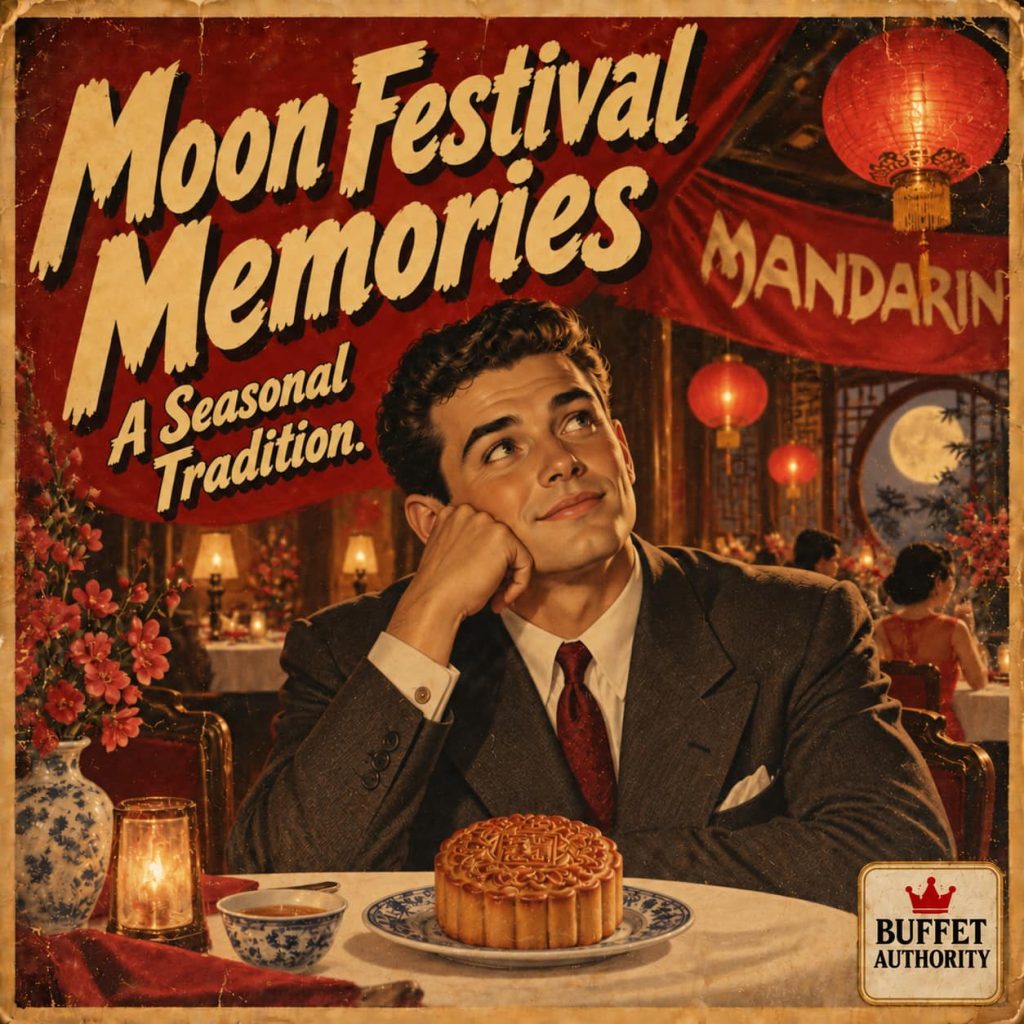
Mandarin Brings Back Its Moon Festival Buffet September 8
New Duck Bao joins returning seasonal favorites during the Ontario chain’s fall tradition.

September 5, 2026
Uno Pizzeria Joins the AYCE Ranks With $14.99 Bottomless Deep Dish
The 10-week promotion starts today at 21 restaurants after Uno’s $99 Pizza Pass sold out.

NEWEST RESTAURANT PROFILES
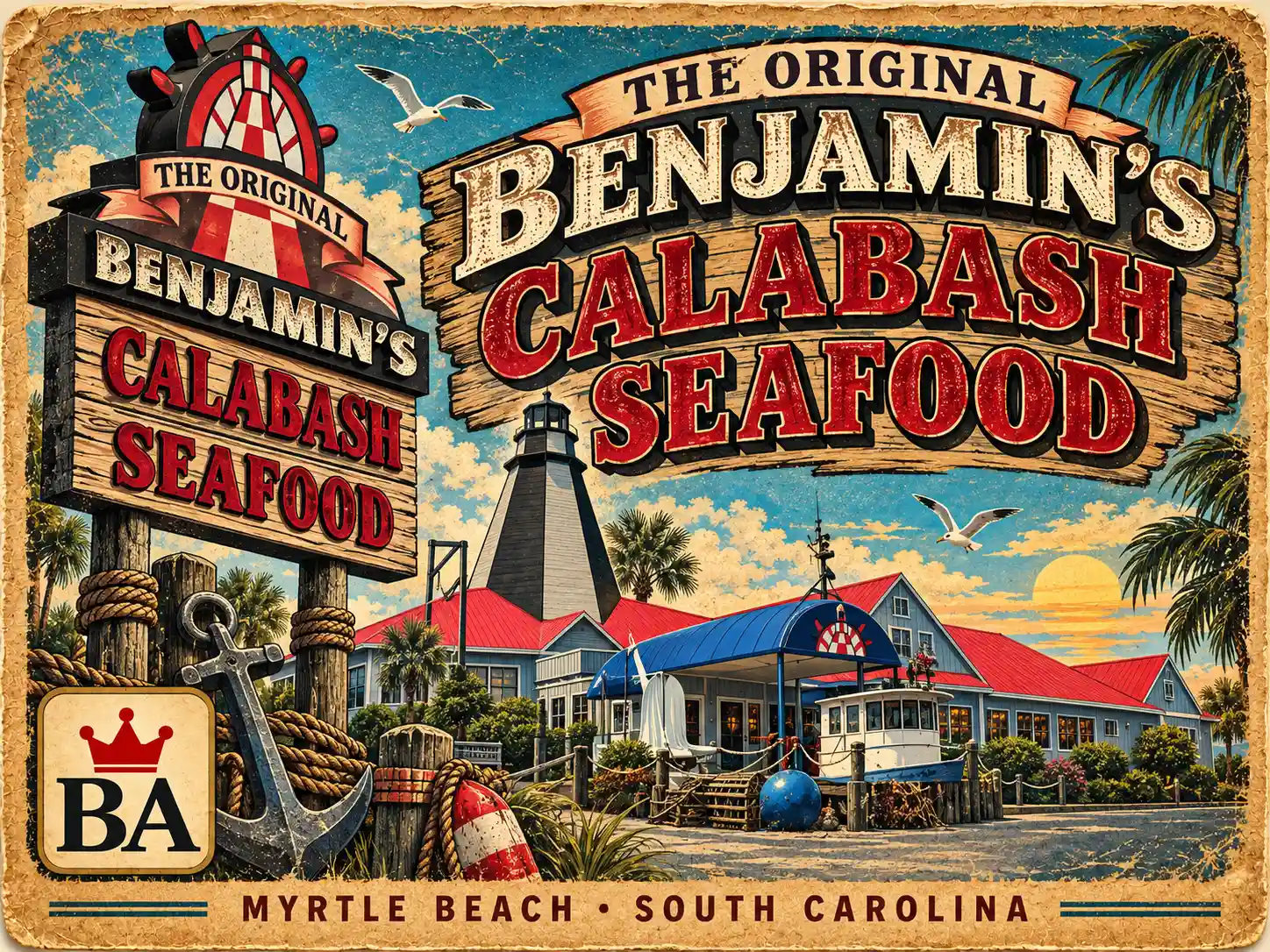
The Original Benjamin’s Calabash Seafood
Myrtle Beach,
South Carolina
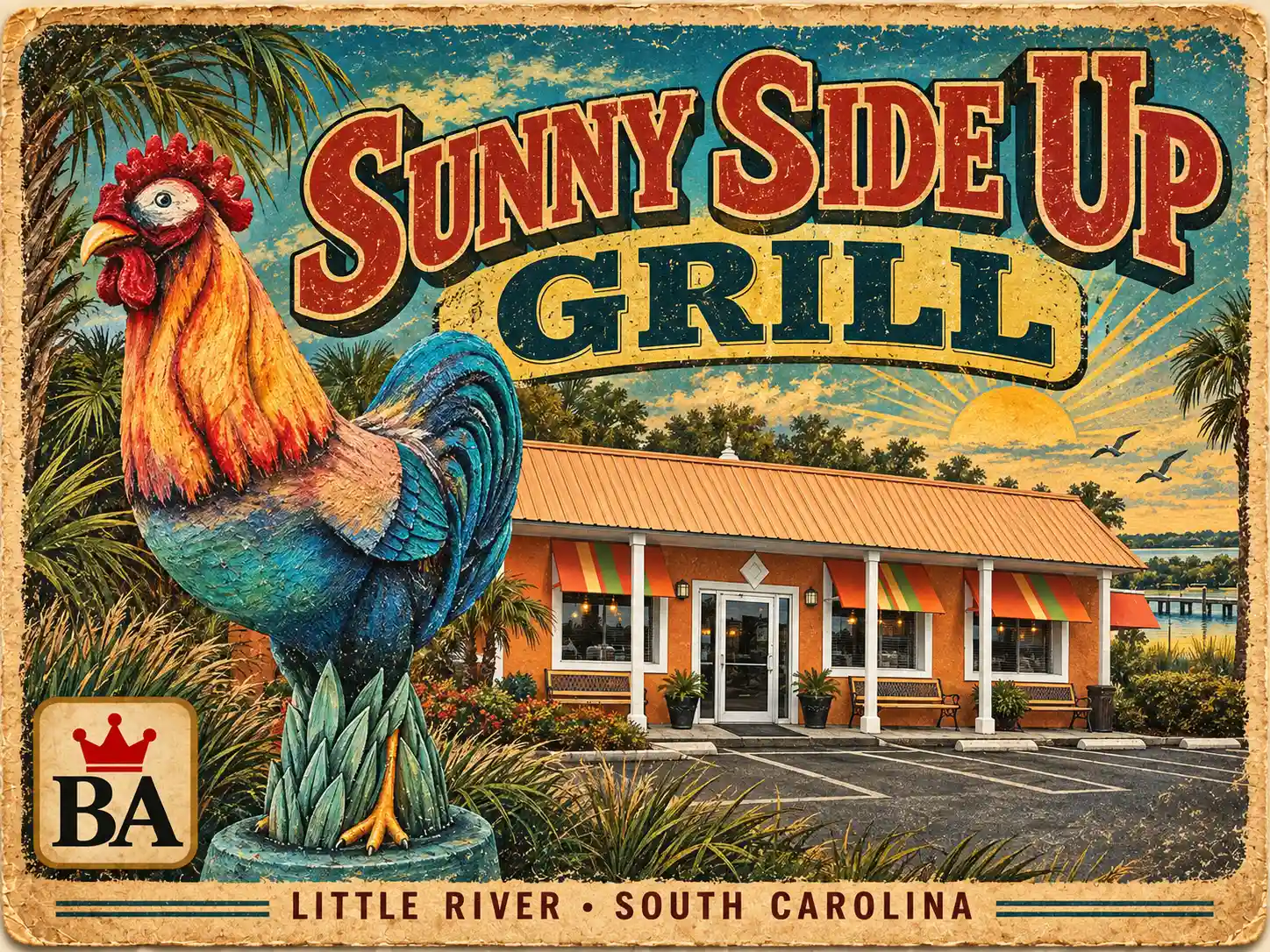
Sunny Side Up Grill
Little River,
South Carolina
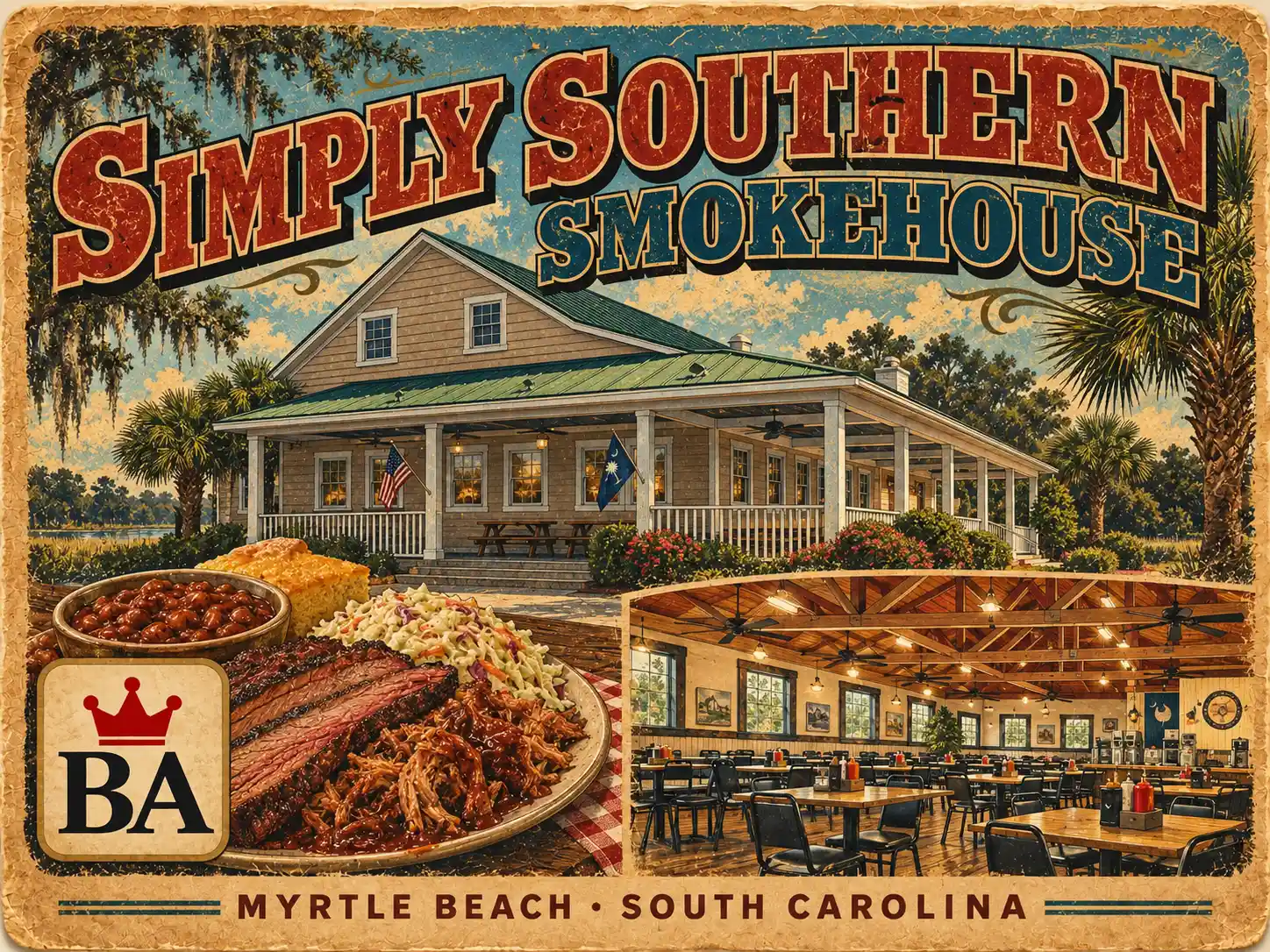
Simply Southern Smokehouse
Myrtle Beach,
South Carolina

Sea Captain’s House
Myrtle Beach,
South Carolina