
Lin’s Grand Buffet

Cuisine
Meal Periods
Dining Format
Phone
Website
Cuisine
Meal Periods
Dining Format
Phone
Website
EXPERIENCE
Lin’s Grand Buffet has been building its version of a Chinese-American feast since opening in southern Texas in 2002. The group now links restaurants across Texas, Arizona and California, with a buffet that puts barbecue ribs and crispy chicken wings alongside sushi, seafood and a Mongolian grill. It’s a shared regional brand with a substantial footprint, and a useful reminder that ‘grand’ can describe more than the size of the dining room.
Most of dinner comes from the self-serve spread, but the Mongolian grill adds a different kind of stop. You choose from the station’s available ingredients for cooking, then return to the broader buffet for the prepared dishes. The grill belongs to the buffet arrangement; it doesn’t turn the meal into tableside hibachi or an unlimited menu ordered entirely through your server. The mix of ready dishes and customized cooking gives Lin’s its particular rhythm.
The restaurants have their own settings. Murrieta’s façade, for example, centers the large Lin’s Grand Buffet sign on a stone-clad tower, with a broad flat canopy and long rows of windows. Phoenix’s Baseline restaurant has a different exterior, including tiled roof details. Both are identifiable members of the same group without looking like architectural duplicates. The useful common thread is the generous Chinese-American buffet, rather than one prescribed room or decorative theme.
Check the chosen restaurant’s lunch and dinner terms before heading over. Current local pages distinguish weekday lunch from later dinner and weekend service, with local pricing rather than one national tariff. Lin’s also sells takeout, whose named dishes help illustrate the kitchen’s range but aren’t a fixed promise for every buffet counter. The rotating selection leaves room for familiar favorites and whatever the local kitchen is serving that day.

FOOD
Barbecue ribs and crispy chicken wings are two good reasons to look beyond the stir-fries at Lin’s. The operator names both as signature dishes, giving the buffet a substantial cooked-meat side beyond stir-fries. Ribs bring a bone-in barbecue option, while the wings supply a smaller fried preparation. They also explain the Chinese-American description: this is a broad buffet where American-style favorites are served alongside noodles and sauced entrées.
Chicken appears in several guises in the group’s current takeout catalog, including orange, sesame, jalapeño, sweet-and-sour, and chicken with broccoli. Several of those preparations have also appeared on the buffet in Phoenix, Tucson and Mesa. Orange and sesame versions take the sweeter, sauced route; jalapeño chicken introduces a pepper-led alternative. Chicken with broccoli shifts the emphasis toward meat and vegetables together.
The sweet-and-sour preparation deserves its own distinction from those glazed chicken dishes. At Mesa, a documented buffet example pairs the chicken with red and green peppers. The peppers add vegetables to the familiar sweet-and-sour combination. Specific buffet recipes can change, but the range of named preparations shows why it is worth reading the tray labels rather than treating all the chicken as interchangeable.
Beef with broccoli and peppered steak appear in the current kitchen catalog, along with sautéed string beans, mushrooms and a vegetable medley. These dishes give the meal a vegetable-and-stir-fry thread beside the fried items. Mushrooms and green beans can be interesting choices in their own right, while beef with broccoli keeps the vegetable and protein in one familiar preparation.
The Mongolian grill offers another way to combine ingredients. Rather than taking a completed entrée from a hot tray, you choose from the local station for a cooked-to-order dish. The grill is documented at Phoenix, Tucson and Mesa, giving this part of the meal a presence across several markets. Available proteins, noodles, vegetables and sauces depend on the local station. Choose the combination that appeals to you when you arrive.
Seafood and sushi form separate parts of the advertised spread. Lin’s current catalog names fried fish, salt-and-pepper shrimp and a seafood combination; fried shrimp and fish are also documented among buffet selections. Those everyday fish and shrimp choices are a better guide than expecting premium shellfish at every location. Sushi adds a chilled, rice-based option beside the cooked food. The exact rolls and fish selection should be read from the local counter rather than inferred from another restaurant’s photographs.
Rice, noodles and appetizers round out the picture. Fried rice, lo mein and mei fun are named in the current catalog, as are pork egg rolls, vegetable spring rolls and fried dumplings. The noodles offer two distinct forms instead of one generic side, and the wrappers give the appetizer selection its own variety. Fruit, salad and desserts complete the buffet categories advertised by the operator. Their rotating details are part of the local meal, rather than a fixed national dessert menu.
FOOD HIGHLIGHTS
♛ Barbecue Ribs — one of Lin’s advertised signature buffet dishes.
♛ Crispy Chicken Wings — a second signature with a fried preparation.
♛ Mongolian Grill — the buffet’s customizable cooking station.
♛ Orange Chicken — a familiar sauced chicken choice served at several locations.
♛ Jalapeño Chicken — a pepper-led preparation documented in Tucson.
♛ Beef with Broccoli — a familiar stir-fry among Tucson’s buffet choices.
♛ Fried Fish and Shrimp — seafood examples supported by operator and meal evidence.
♛ Lo Mein and Mei Fun — two named noodle styles in the current kitchen catalog.
LATEST FROM THE WIRE
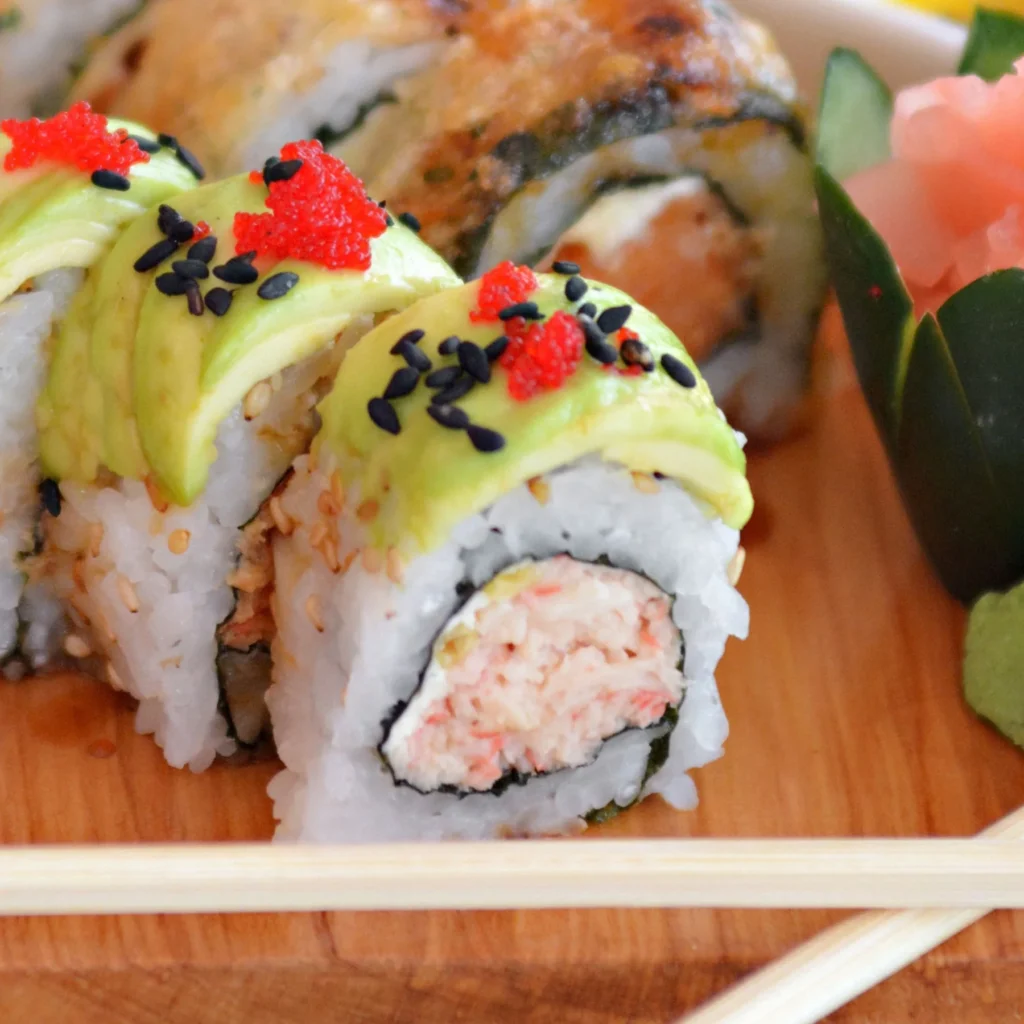
November 1, 2026
Sun Sushi and Grill Plans AYCE Restaurant in Former Phoenix AZ Cantina
A 5,750-square-foot proposal would bring sushi to a longtime West Greenway Road restaurant address.
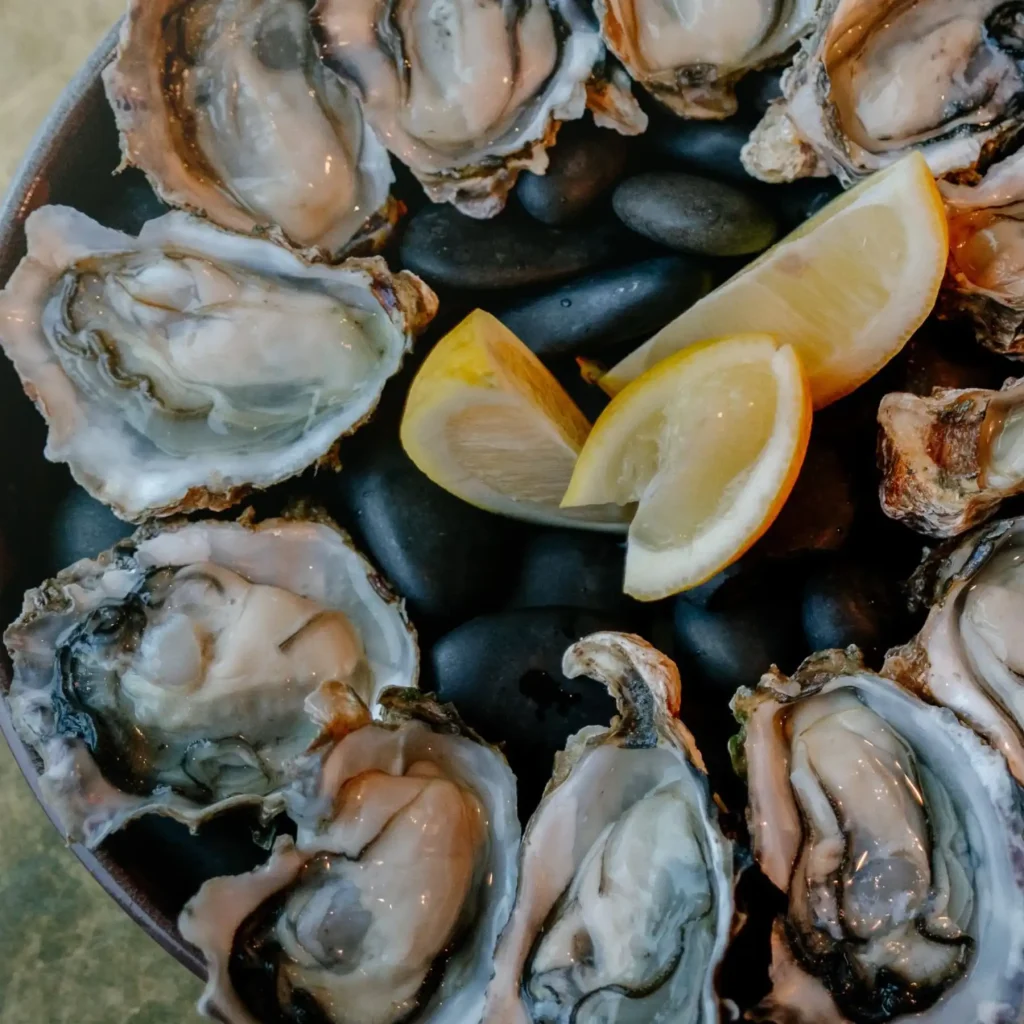
November 1, 2026
Waterman’s Crab House Launches Saturday Land & Sea Buffet in Rock Hall MD
Crab legs, oysters and prime rib headline a $45 buffet as the harbor restaurant explores off-season service.

NEWEST RESTAURANT PROFILES

Witch Topokki
Troy,
Michigan
5th Tavern
Bloomfield Township,
Michigan

The Whitney
Detroit,
Michigan

Shaad Deshi Cuisine
Warren,
Michigan