
Jeet India Restaurant
Cuisine
Meal Periods
Dining Format
Phone
Website
Cuisine
Meal Periods
Dining Format
Phone
Website
EXPERIENCE
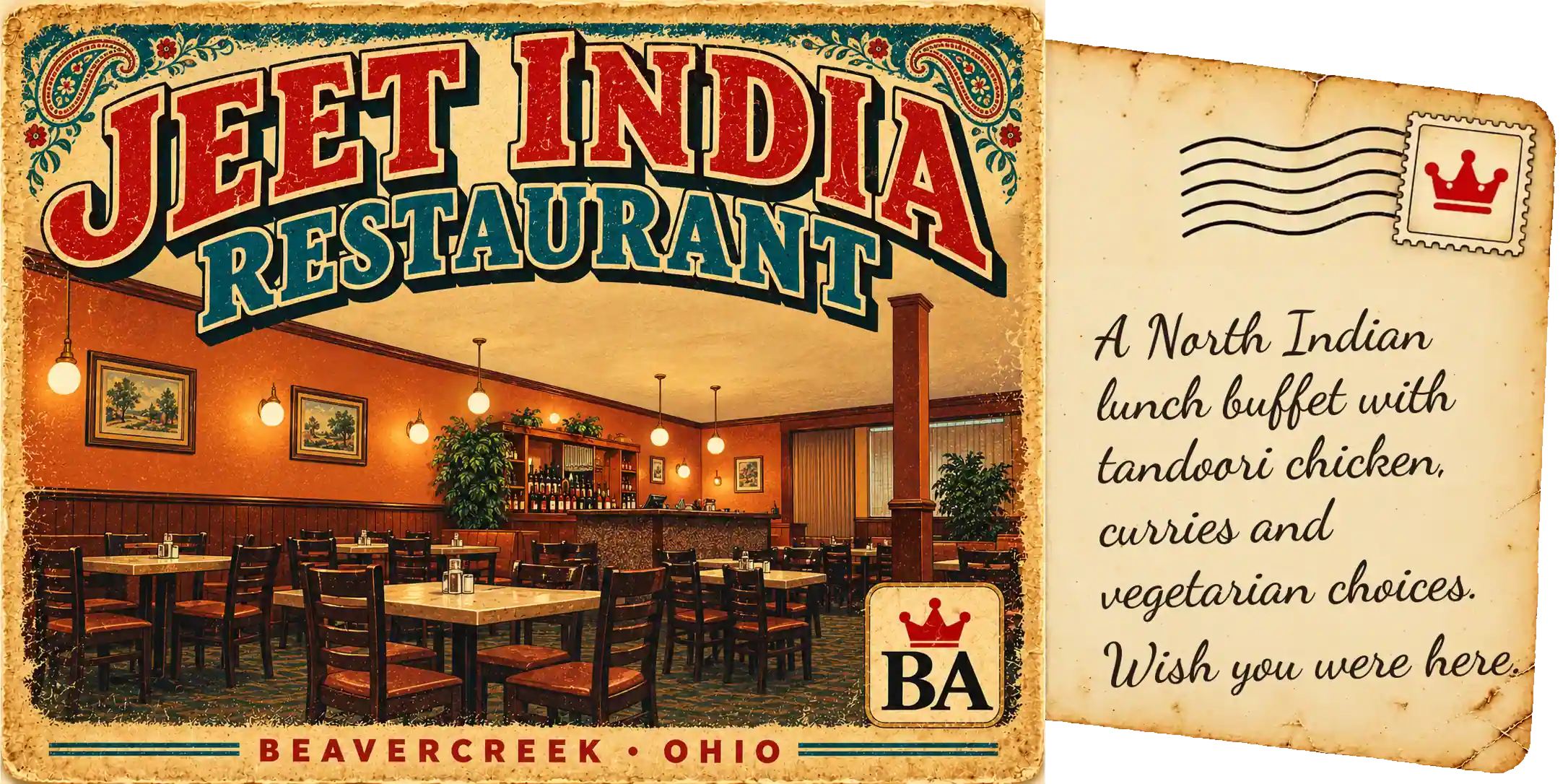
Jeet India is a long-running Indian restaurant in Beavercreek, with a history that reaches back beyond its present North Fairfield Road address. It was serving in the Fairborn area by 2012, when its home was on Colonel Glenn Highway. A later move took it across I-675 to its current location in Beavercreek’s Rex Plaza, opposite the Fairfield Commons shopping area, next to Chili’s.
The restaurant’s daily lunch buffet remains a recognizable part of that identity. It draws repeat lunchtime visits, including coworkers making a regular meal of it, while the kitchen also serves an extensive individually ordered menu. Jeet’s cooking has a North Indian center, with Punjabi dishes and familiar restaurant favorites sharing the repertoire. Lunch brings that cooking together in a changing buffet.
Inside, warm ochre walls give the room a distinctive glow. Plants and framed pictures soften the dining space, with dark wooden seating and a bar along one side. The effect is of a settled sit-down restaurant within a busy shopping district. The warm colors carry the room’s character without elaborate ornament becoming the main event.
There is a broader restaurant behind the lunch counter, with clay-oven cooking, curries, breads and Indian sweets running through the menu. Dinner follows the individually ordered format, and the kitchen’s range extends beyond the buffet selection. For a daytime visit, though, the recurring lunch service is the particular draw: a North Indian meal in an established Beavercreek restaurant, close to the shops but with a dining room in which to settle.

FOOD
Jeet’s buffet brings together clay-oven chicken, sauced curries and vegetable cooking, with rice, bread and an Indian sweet course. That repertoire places Punjabi and North Indian cooking alongside chicken tikka masala, a restaurant favorite with a strong British history, all within a daily buffet lunch built around several distinct preparations. Tandoori chicken, saag paneer, pakoras, basmati rice, naan and gulab jamun are among the other dishes. The selection changes, rather than following an identical daily lineup.
Tandoori chicken takes its name from the tandoor, the intensely heated clay oven used throughout North Indian restaurant cooking. Jeet marinates its chicken in yogurt and mild spices before oven cooking. Marination seasons the meat before it meets the heat; yogurt also helps the spice coating cling to the chicken. The tandoor’s heated walls radiate heat into the chamber, giving this style of cooking its strong roasting character. Chicken is one of the classic foods prepared in it.
Chicken tikka masala brings the sauced side of the meal. The kitchen combines lightly marinated chicken with tomato, onion and butter. Tomato gives the sauce body and acidity, while butter rounds the preparation. Tikka refers to pieces of meat, and masala to a seasoning mixture. Those familiar restaurant names cover many variations; Jeet’s tomato, onion and butter combination gives a specific picture of this one.
Saag paneer places spinach and fresh Indian cheese at the center of a vegetable dish, with light cream in Jeet’s version. Paneer is made by setting milk into curds and pressing them, rather than aging it into a hard cheese. It remains in pieces during cooking, with a mild dairy character against the greens. The spinach forms the body of the preparation, while the cheese gives it substance and a firmer texture.
Pakoras are the fritters among the buffet dishes. In Indian cooking, these are batter-coated preparations, traditionally associated with gram flour made from chickpeas. Frying sets the coating around the central ingredient. Pakora is a family of dishes, so the name does not identify a particular vegetable or filling.
Basmati is the aromatic long-grain rice accompanying the meal. Especially associated with the Indian subcontinent, it is valued for its fragrance as well as its slender grains. Jeet’s plain basmati keeps the rice preparation simple alongside the more elaborate chicken and spinach dishes.
Naan supplies the leavened flatbread. Traditionally, the dough is baked against the hot interior wall of a tandoor, where intense heat makes it puff and blister. That baking method gives naan its characteristic combination of a pliant interior and a more strongly cooked surface. It belongs to the same clay-oven tradition that runs through the chicken cooking.
Gulab jamun closes with small fried milk-based sweets soaked in syrup. Jeet’s preparation uses honey syrup and is served warm. Soaking allows the syrup to penetrate the sweets, producing the moist texture characteristic of gulab jamun.
FOOD HIGHLIGHTS
♛ Tandoori Chicken — the roasted chicken preparation in the buffet repertoire.
♛ Chicken Tikka Masala — chicken in sauce alongside the rice and breads.
♛ Saag Paneer — leafy greens with Indian fresh cheese.
♛ Pakoras — fritters among the savory preparations.
♛ Naan and Basmati Rice — Indian flatbread and long-grain rice.
♛ Gulab Jamun — small browned sweets served in syrup.
LATEST FROM THE WIRE
November 1, 2026
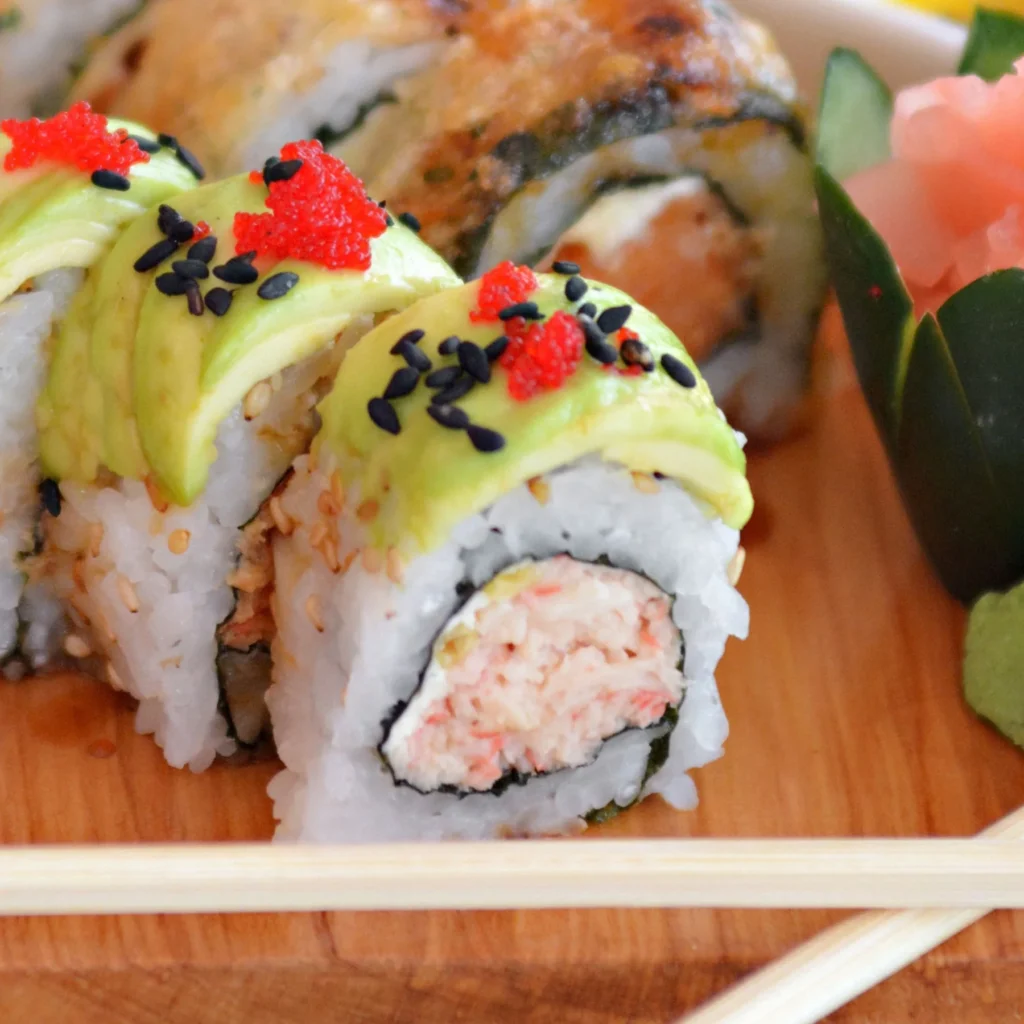
Sun Sushi and Grill Plans AYCE Restaurant in Former Phoenix AZ Cantina
A 5,750-square-foot proposal would bring sushi to a longtime West Greenway Road restaurant address.
November 1, 2026
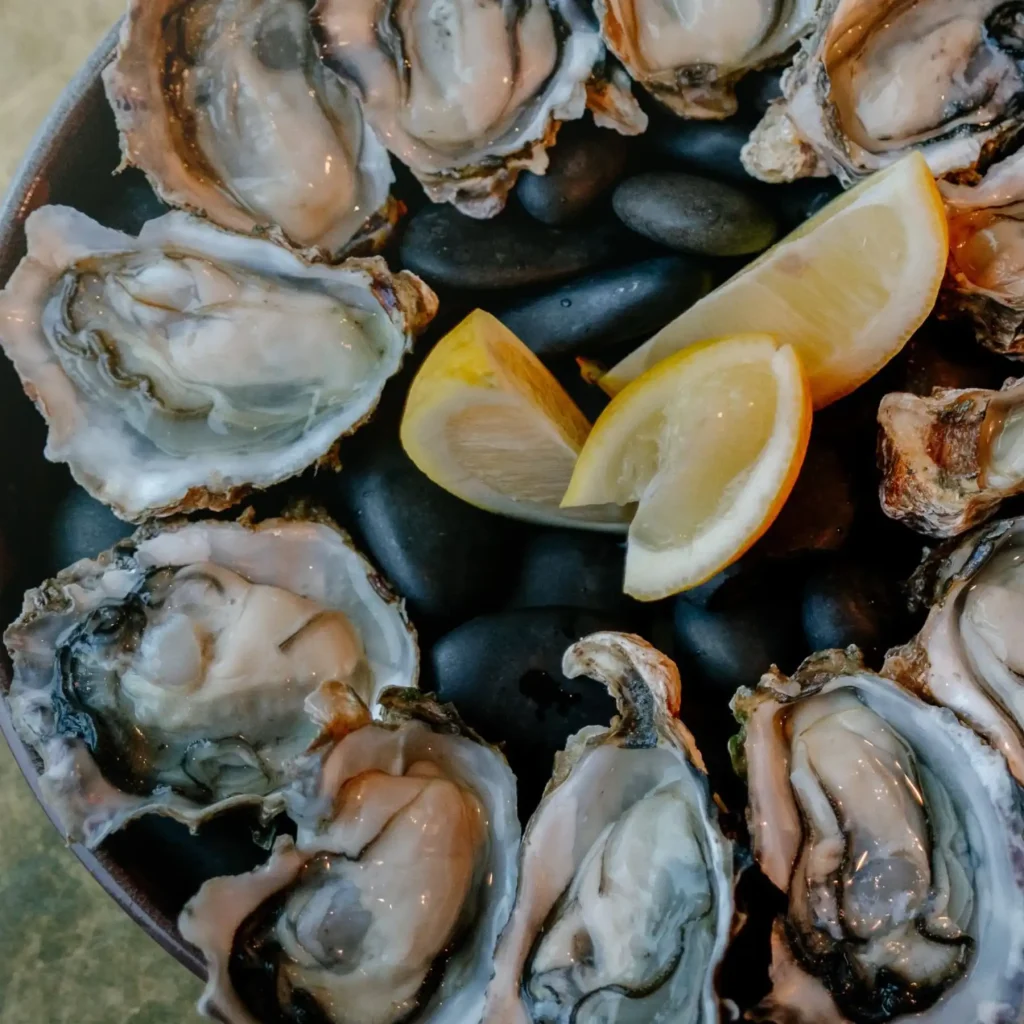
Waterman’s Crab House Launches Saturday Land & Sea Buffet in Rock Hall MD
Crab legs, oysters and prime rib headline a $45 buffet as the harbor restaurant explores off-season service.

NEWEST RESTAURANT PROFILES
Witch Topokki
Troy,
Michigan
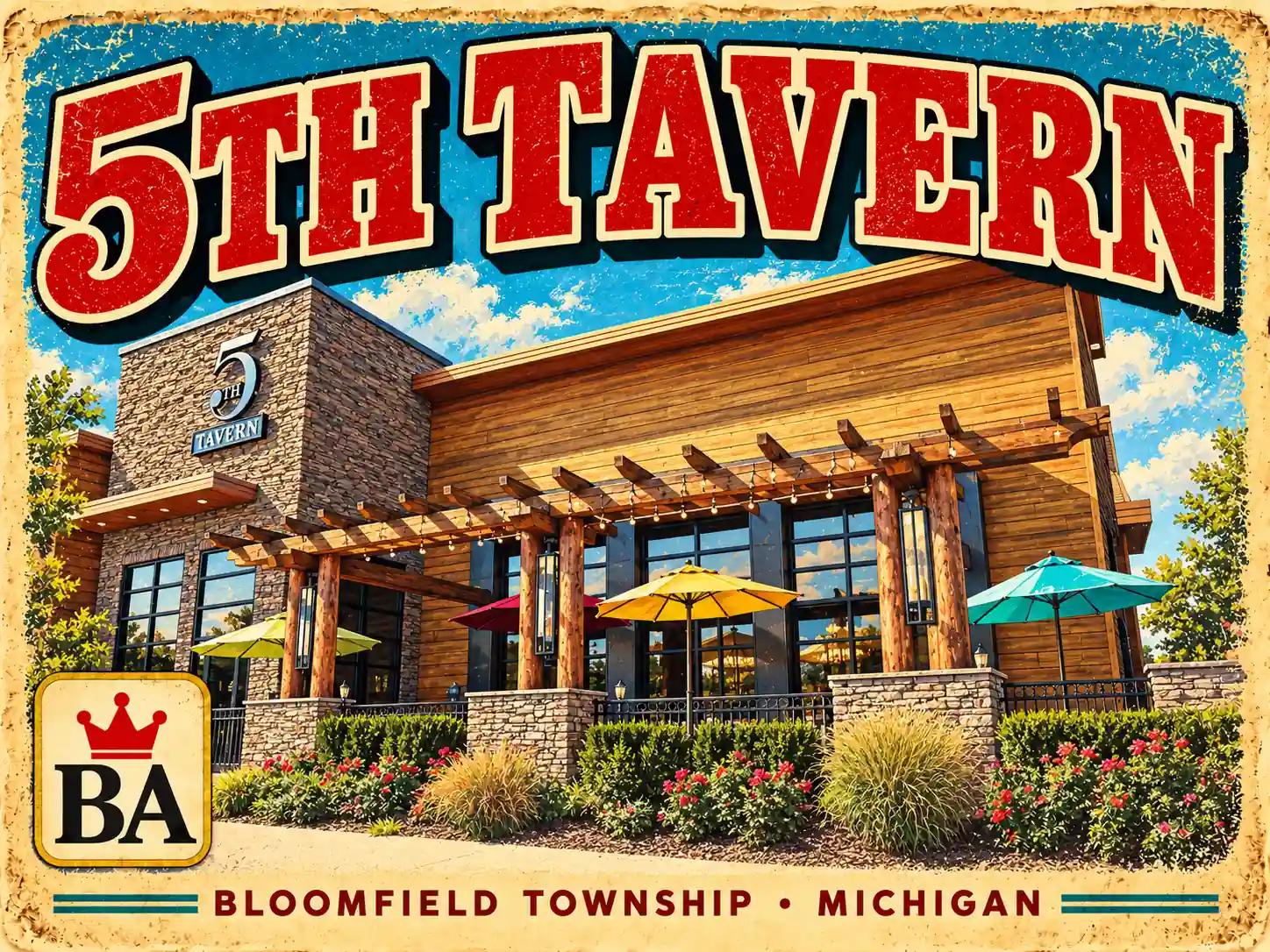
5th Tavern
Bloomfield Township,
Michigan

The Whitney
Detroit,
Michigan
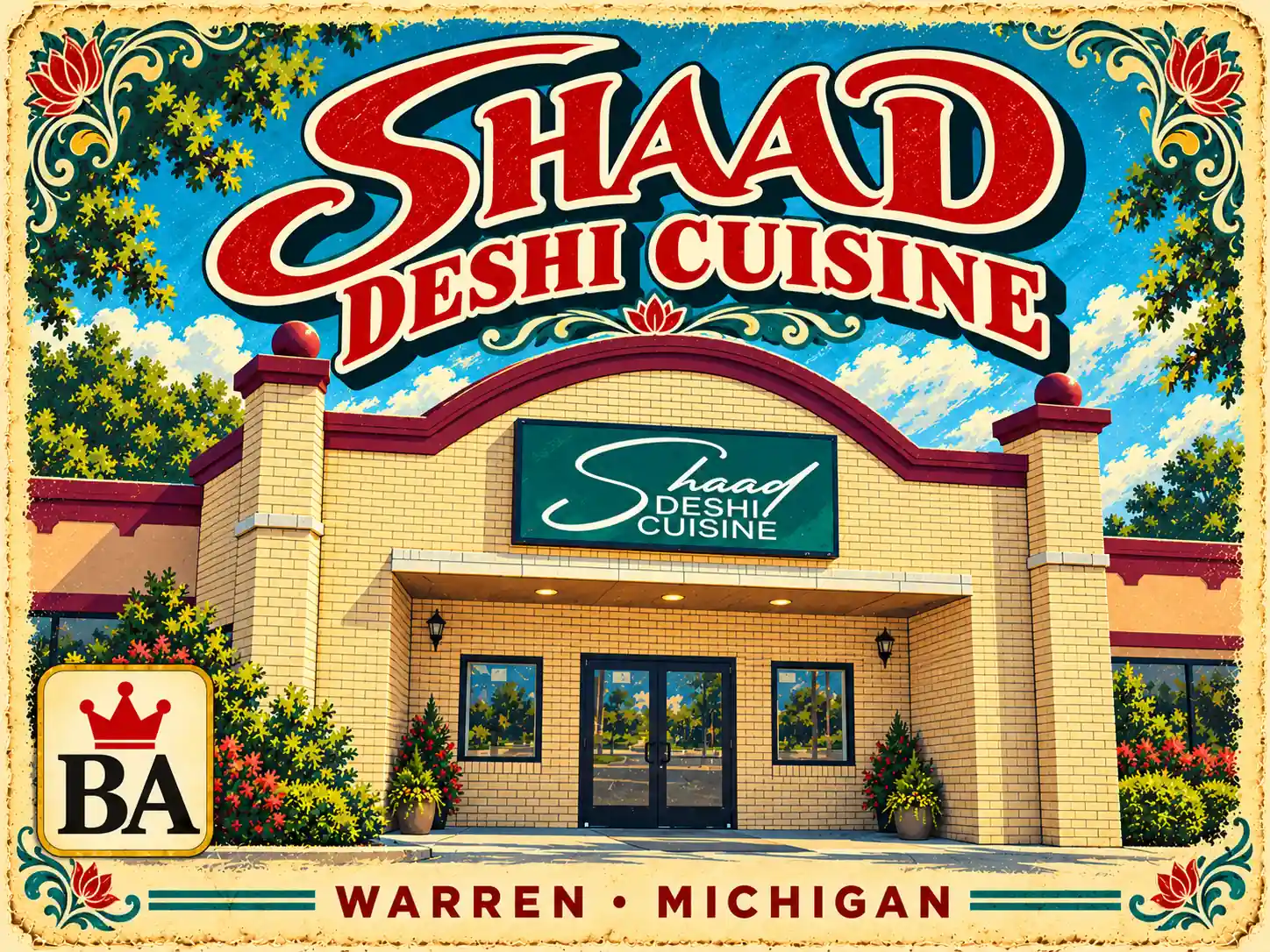
Shaad Deshi Cuisine
Warren,
Michigan