
Hibachi Supreme Buffet
Cuisine
Meal Periods
Dining Format
Phone
Cuisine
Meal Periods
Dining Format
Phone
EXPERIENCE
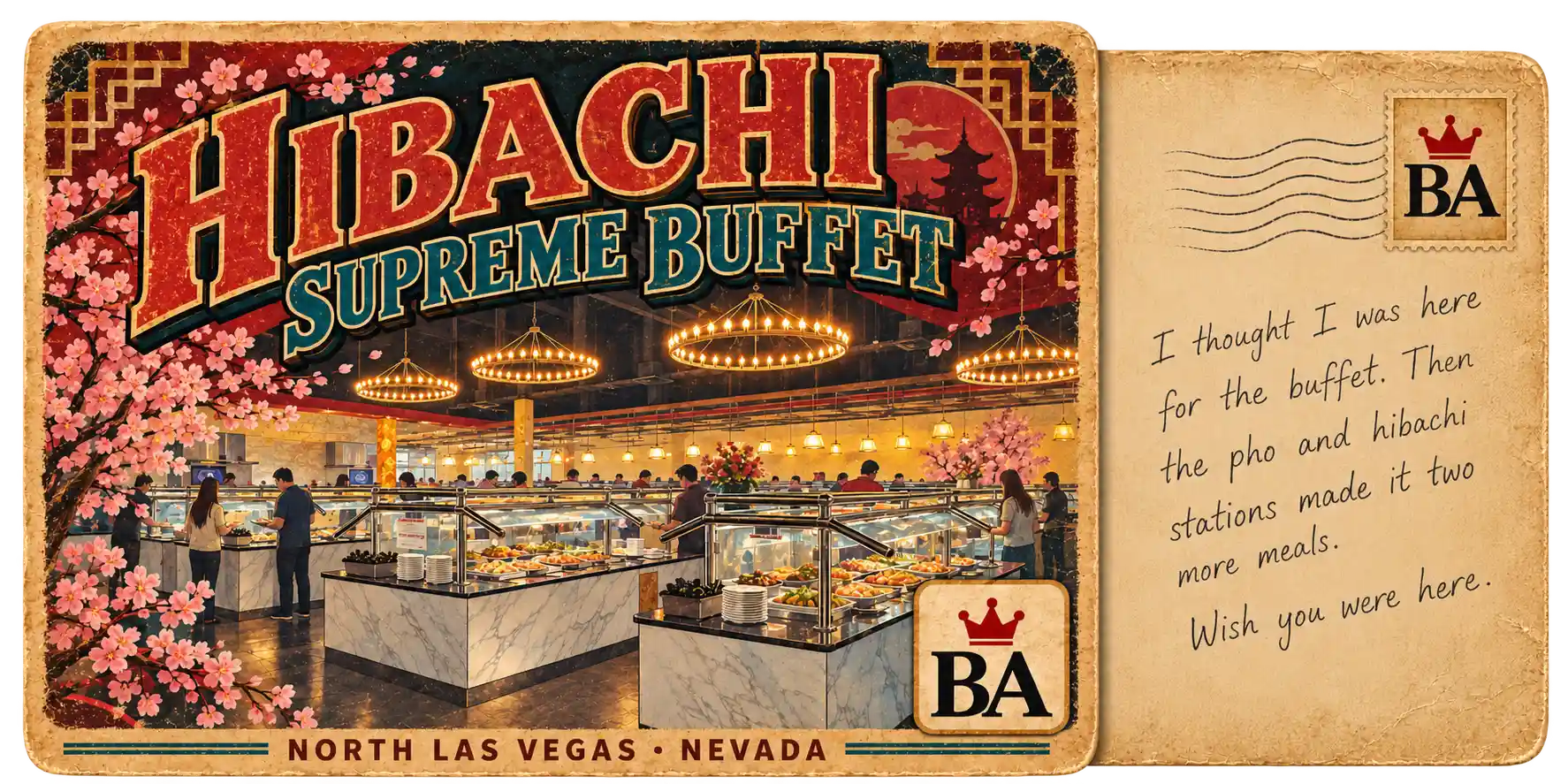
Hibachi Supreme Buffet is a large, contemporary neighborhood Asian buffet on West Craig Road in North Las Vegas, built around breadth rather than casino-buffet theatrics. The core format is familiar: pay for the meal, settle into a roomy dining area, then work across long buffet islands for Chinese-American hot dishes, sushi, seafood, salad, fruit and desserts. But the restaurant adds two live-cooking branches that make the meal more flexible than a simple steam-table circuit: a hibachi grill for custom combinations and a noodle station for pho, ramen and udon.
Inside, the high ceilings, open sight lines and wide aisles give a feeling of larger size to the space. Long illuminated buffet cases occupy much of the room, while tables are broken into seating sections rather than pressed tightly around the food. It reads as bright, practical and family-oriented – a newer suburban buffet designed to move large groups through without turning dinner into a formal occasion.
The strongest reason to use the room more than once is choice. A first plate can stay conventional, built from hot-bar staples and rice or noodles. The next can pivot to sushi, chilled seafood or a made-to-order hibachi bowl. A later trip can become soup rather than another buffet plate. That ability to change formats within the same meal is a bigger part of the experience than any single decorative feature.
At lunch, the price keeps the restaurant in everyday local-buffet territory; dinner is more expensive and brings a broader seafood emphasis. Hibachi Supreme Buffet is a high-variety North Las Vegas buffet with enough separate stations to let different eaters construct entirely different meals at the same table.

FOOD
The food programming is broad Chinese-American and pan-Asian buffet cooking, with sushi, seafood, hibachi and noodle soups extending the menu. The hot line supplies the familiar base: fried rice and lo mein alongside orange chicken, sesame chicken, general tso’s chicken, chicken with broccoli, beef with broccoli and pepper steak. Egg rolls, cream-cheese wontons and chicken skewers fill in the appetizer side, making it easy to build a conventional buffet plate before moving into the restaurant’s more specialized stations.
Shrimp has several preparations and is one of the clearest threads through the selection. Fried shrimp and salt-and-pepper shrimp sit naturally beside seafood combinations, while mussels and other shellfish broaden the cold and hot seafood choices. Dinner carries the stronger seafood emphasis, including higher-cost items that can change with availability, so the evening spread is not simply lunch at a later hour.
The sushi counter gives the meal a colder, lighter lane between trips to the hot food. The selection is built for buffet grazing rather than an omakase sequence: take a few pieces, add ginger or sauce, then return later after something from the grill. In a room this broad, sushi can function as its own plate rather than an obligatory garnish beside Chinese hot dishes.
The hibachi station is the most direct way to introduce personal preference into the meal. Guests choose ingredients, hand them over at the flat top and receive a freshly cooked combination rather than another scoop from a steam pan. Vegetables, noodles and proteins can be mixed to taste, which makes the station especially useful after a first plate has established what is already available across the buffet.
Then there is the noodle-soup station, one of the restaurant’s more distinctive additions. Pho and ramen are part of the buffet circuit, with tonkotsu shoyu and spicy miso tonkotsu shoyu among the restaurant’s listed noodle options; seafood udon extends the same idea. A hot bowl provides a nice change of pace – broth, noodles and toppings make a separate course that asks for a spoon and a few minutes at the table rather than another quick pass through the islands.
Back on the hot line, fried fish, teriyaki chicken, seafood combinations and rice-and-noodle dishes keep the buffet from depending on a single specialty. The kitchen also works comfortably in the sweeter, saucier register expected from a large neighborhood Asian buffet. Orange chicken and sesame chicken bring that familiar gloss, while chicken with broccoli and pepper steak offer simpler savory choices when a plate needs less frying and more vegetables.
Dessert returns to classic buffet logic: cakes and small sweets, fresh fruit and self-serve ice cream give the last trip plenty of low-commitment options. Sesame balls are worth noticing because they bridge the hot-food and dessert sides of the meal, especially after soup or hibachi. The overall food story is not one signature dish. It is the ability to move from Chinese buffet standards to sushi, then to a custom grill plate, then to pho or ramen without leaving the same all-you-can-eat format.
FOOD HIGHLIGHTS
♛ Salt-and-Pepper Shrimp — crisp, savory seafood with a peppery edge.
♛ Orange Chicken — sweet-glazed Chinese-American buffet comfort.
♛ Beef with Broccoli — savory beef and vegetables for a straightforward hot-line plate.
♛ Chicken Lo Mein — soft noodles with chicken for a familiar buffet staple.
♛ Fried Fish — a simple hot-line seafood option between heavier plates.
♛ Sushi Rolls — cool bites that break up the hot buffet circuit.
♛ Hibachi Stir-Fry — custom vegetables, noodles and proteins cooked on the flat top.
♛ Pho Noodle Soup — a broth-and-noodle course made apart from the steam tables.
♛ Spicy Miso Tonkotsu Shoyu — richer ramen with a spicy miso profile.
♛ Seafood Udon Soup — thick noodles and seafood in a hot soup bowl.
♛ Cream-Cheese Wontons — crisp fried pockets for an easy appetizer plate.
♛ Sesame Balls — chewy, lightly sweet finish from the Asian side of dessert.
LATEST FROM THE WIRE
November 1, 2026
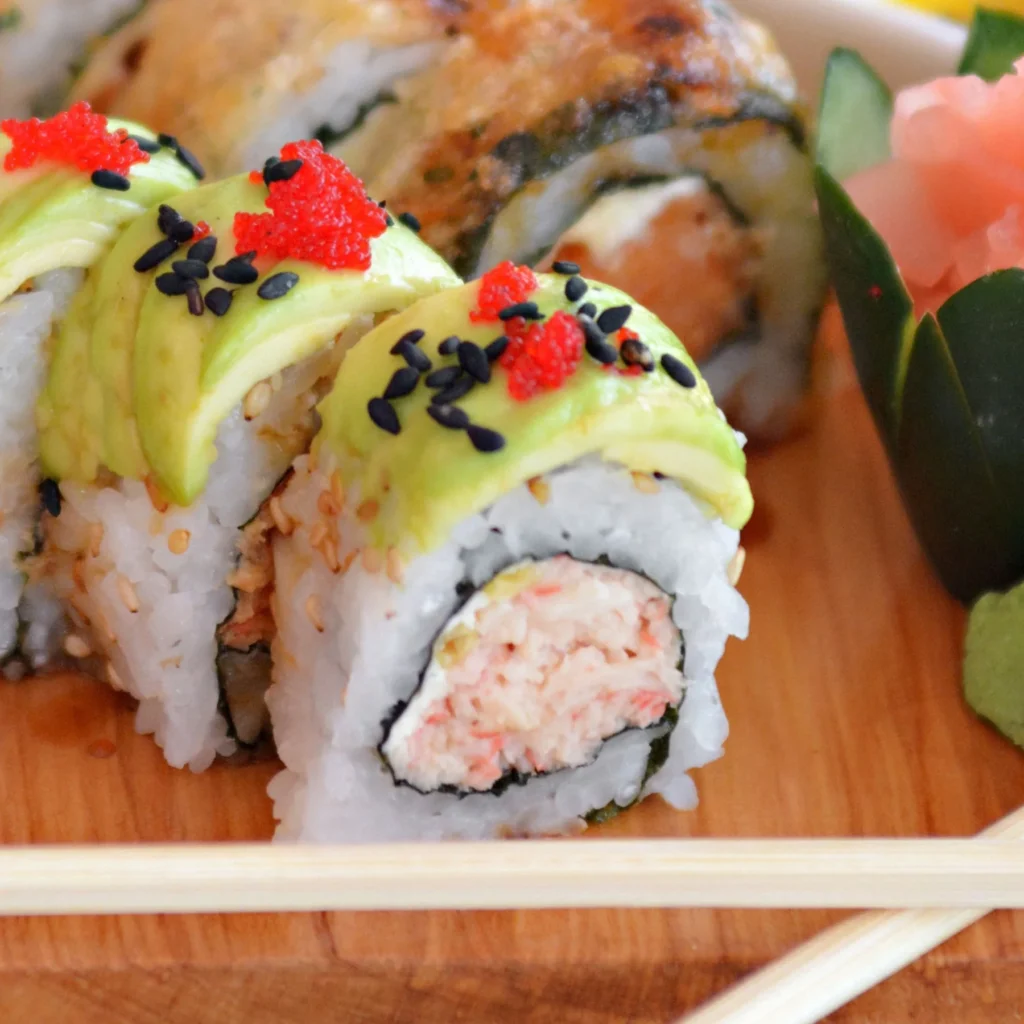
Sun Sushi and Grill Plans AYCE Restaurant in Former Phoenix AZ Cantina
A 5,750-square-foot proposal would bring sushi to a longtime West Greenway Road restaurant address.
November 1, 2026
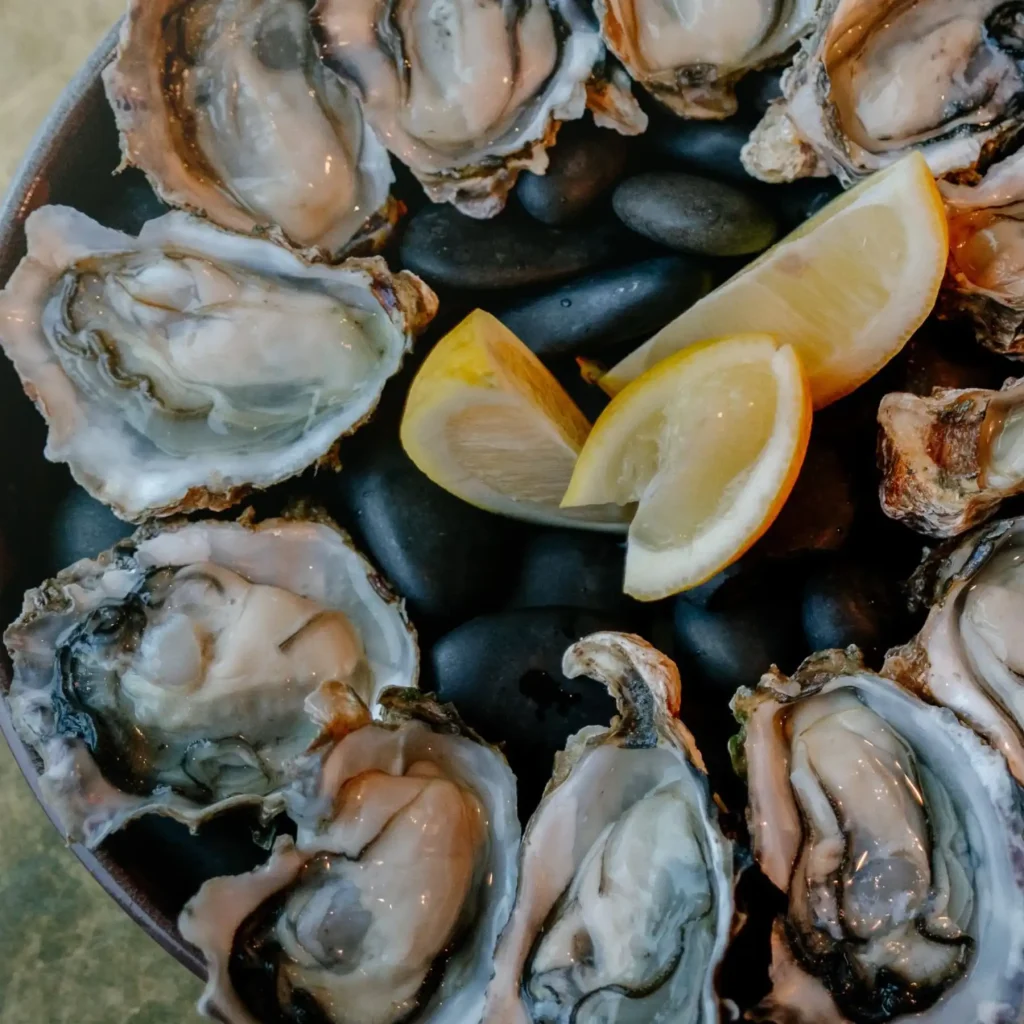
Waterman’s Crab House Launches Saturday Land & Sea Buffet in Rock Hall MD
Crab legs, oysters and prime rib headline a $45 buffet as the harbor restaurant explores off-season service.

NEWEST RESTAURANT PROFILES
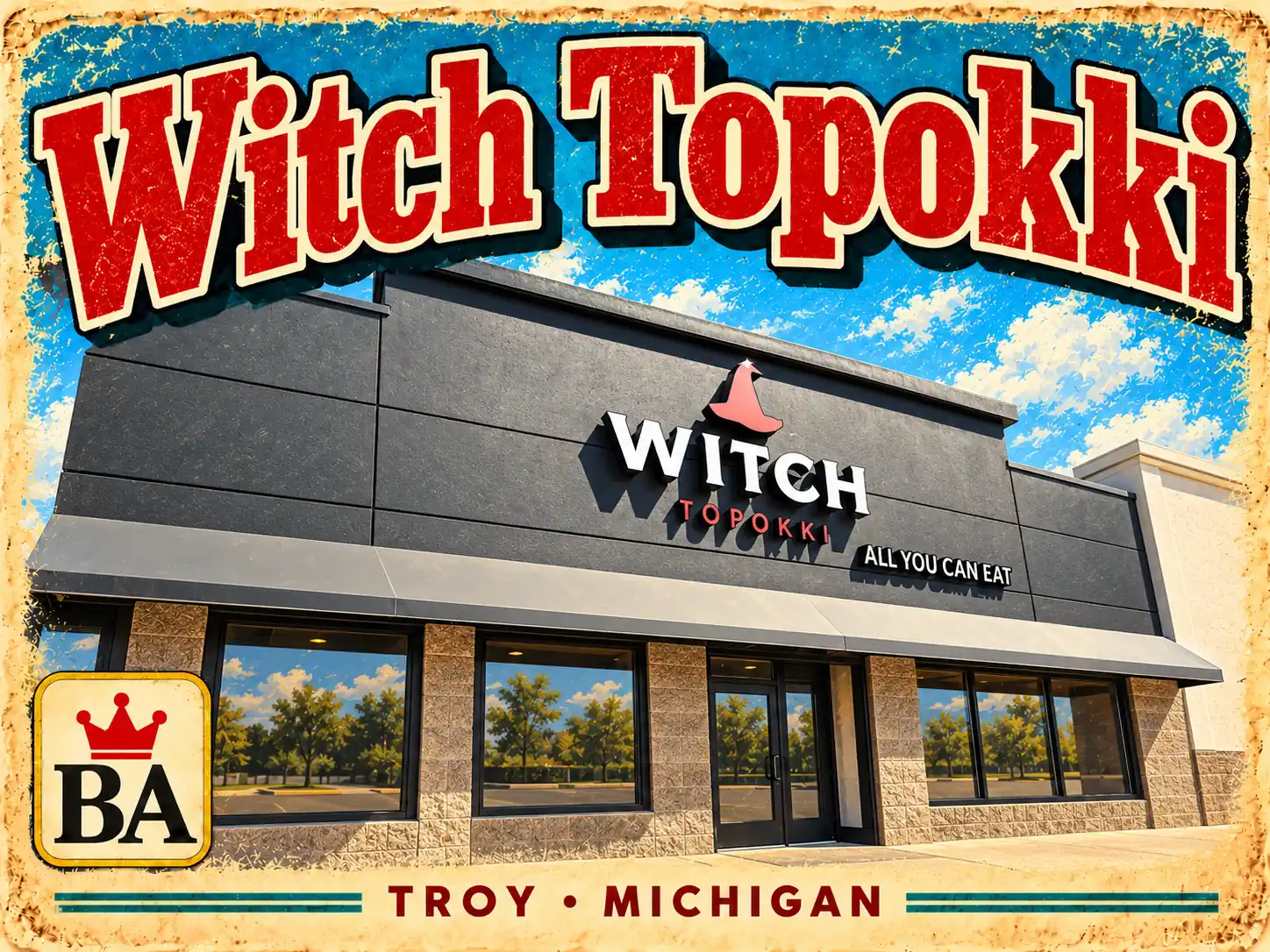
Witch Topokki
Troy,
Michigan
5th Tavern
Bloomfield Township,
Michigan

The Whitney
Detroit,
Michigan
Shaad Deshi Cuisine
Warren,
Michigan