
Cuisine
Meal Periods
Dining Format
Price Range
$19 - $24
Cuisine
Meal Periods
Dining Format
Price Range
$19 - $24
EXPERIENCE
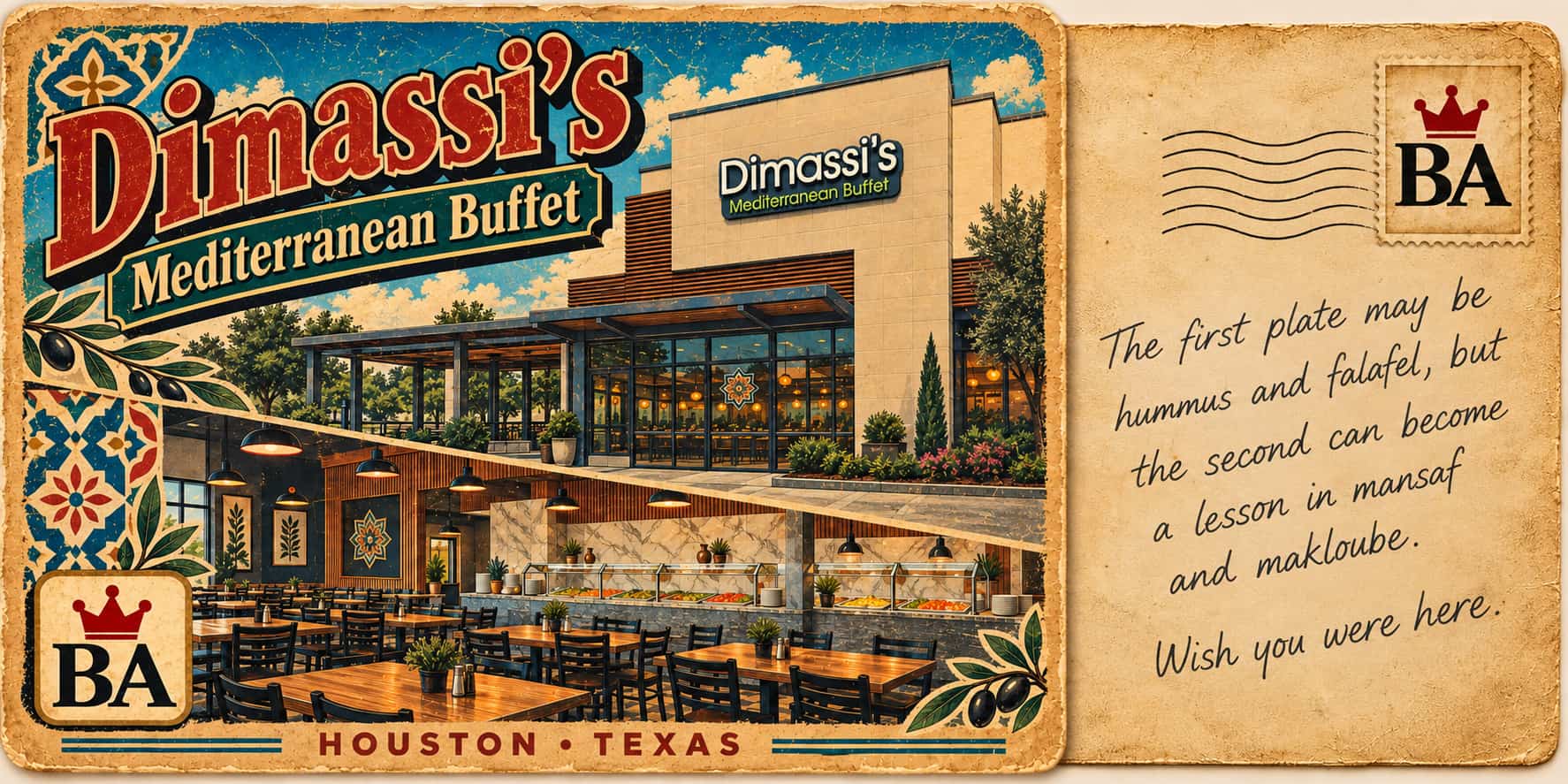
Dimassi’s on Katy Freeway is the sort of buffet that makes exploration easy. The room is casual and straightforward, and the meal begins with a long self-serve spread rather than a complicated ordering process. That matters because the selection moves beyond the few Mediterranean foods most Americans recognize by name. A first plate can stay familiar with warm pita, hummus, tabouli and falafel; the next can wander into lamb, yogurt sauces, seasoned rice, braised vegetables and regional dishes that may be entirely new.
The larger story is distinctly Houston. Dimassi’s traces its beginning to the city in 1992, building a family-run buffet around a broad Levantine and Middle Eastern menu. By July 2026 the company counted 24 restaurants across Texas and California, with an Oceanside location opening the following month. That growth is striking because the basic idea remains unusually specific: an all-you-can-eat restaurant that lets a wide audience encounter this food through sampling.
That is still the best way to approach the Katy location. The cold side establishes the basics with salads, dips, yogurt and pita; rice, vegetables and legumes create the middle of the meal; then kebabs, chicken, lamb, fish and deeper regional specialties make the hot line more substantial. Small portions make sense on the first trip. The buffet favors comparison: smoky eggplant against creamy hummus, bright sumac against richer meat, crisp falafel against soft rice and stewed vegetables.
Halal meats and an unusually deep plant-based selection also make the format useful for mixed groups. More than simple abundance, Dimassi’s offers a low-pressure way to understand how Mediterranean food is built from bread, grains, herbs, vegetables, legumes, yogurt, olive oil, char and spice. The buffet is the classroom, but lunch and dinner still feel like lunch and dinner.

FOOD
“Mediterranean” covers an enormous geography, but the focus at Dimassi’s is the eastern Mediterranean and the Levant: Lebanese, Palestinian and Jordanian traditions, with neighboring Greek and broader Middle Eastern influences. The buffet makes that distinction visible. This is not simply a line of grilled meat beside hummus. Its real foundation is the combination of bread, dips, salads, grains, vegetables, legumes and sharp, cooling condiments that give the richer dishes their balance.
Fresh pita is the natural starting point. Tear it for hummus, the chickpea-and-tahini staple brightened with lemon and garlic, then compare it with baba ghanouge, where roasted eggplant gives the same creamy role a smokier character. Tabouli is another bedrock dish: a parsley-forward salad with tomato, bulgur, lemon and olive oil rather than the grain-heavy interpretation sometimes encountered elsewhere. Fattoush brings crunch and acidity to the table, while stuffed grape leaves, falafel and za’atar introduce three more recurring Mediterranean ideas: rice wrapped in tangy leaves, crisp chickpea fritters, and an herb-and-sesame seasoning whose tartness often comes from sumac.
The vegetable and grain dishes deserve equal attention. Rice with lentils and onions sits in the same comforting family as mujadara, pairing earthy legumes with sweet browned onion. Okra and green beans cooked in seasoned tomato sauce show how vegetables can function as full dishes rather than obligatory sides. Potatoes with garlic, lemon and spices are simple but essential, while eggplant finished with pomegranate molasses brings a sweet-sour edge that is much less familiar to many first-time visitors. Cucumber-mint yogurt and the whipped garlic sauce provide the cooling and pungent counterpoints that make a mixed plate work.
On the meat side, kafta kabob is one of the useful dishes to know: ground beef seasoned with parsley, onion and garlic, shaped and grilled rather than served as a conventional steak or burger. Chicken kabob supplies the familiar anchor, while chicken with sumac shows what a single spice can do. Sumac has a bright, berry-like tartness that reads almost lemony without actually being citrus. Lamb shank moves in the opposite direction—slow-cooked, rich and deeply savory—and gyro adds a recognizable Greek-adjacent bridge for anyone easing into the buffet.
The dishes that make Dimassi’s especially educational are farther from the standard American shorthand for Mediterranean food. Makloube, also spelled maqluba, is the “upside-down” rice dish of the Levant: chicken, rice and vegetables are layered together and traditionally inverted for serving. Dimassi’s version brings chicken, potatoes, eggplant and cauliflower into the rice with spices and nuts. Mansaf reaches toward Jordanian celebratory cooking, pairing lamb and rice with a tangy yogurt component; traditional mansaf is closely associated with jameed, a preserved fermented yogurt, while the buffet uses a more accessible yogurt blend.
Dessert keeps the same regional logic. Baklava is the familiar flaky pastry of nuts and syrup, but namoura is the more revealing choice: a dense semolina sweet made here with coconut and yogurt, from a family of cakes typically soaked with syrup. Rice pudding offers a softer finish. Together they show why the buffet format suits this cuisine so well: a meal can begin with foods almost everyone recognizes and, one spoonful at a time, move into an entire regional cuisine.
FOOD HIGHLIGHTS
♛ Fresh Pita — warm, soft bread made for scooping, wrapping and dipping.
♛ Hummus — chickpeas and tahini form the buffet’s essential creamy foundation.
♛ Baba Ghanouge — roasted eggplant gives the classic dip its smoky depth.
♛ Tabouli — parsley, tomato, bulgur and lemon in a bright herb-forward salad.
♛ Falafel — crisp chickpea fritters seasoned with herbs and Mediterranean spices.
♛ Vegetable Grape Leaves — tangy leaves wrapped around seasoned rice and herbs.
♛ Kafta Kabob — ground beef seasoned with parsley, onion and garlic, then grilled.
♛ Chicken with Sumac — savory chicken sharpened by sumac’s tart, lemony character.
♛ Lamb Shank — slow-cooked lamb brings a rich counterpoint to salads and dips.
♛ Makloube — layered chicken, rice and vegetables from the Levant’s upside-down tradition.
♛ Mansaf with Lamb — Jordanian-style lamb and rice paired with a tangy yogurt blend.
♛ Namoura — dense semolina, coconut and yogurt sweet from the Levantine dessert table.
LATEST FROM THE WIRE
September 6, 2026
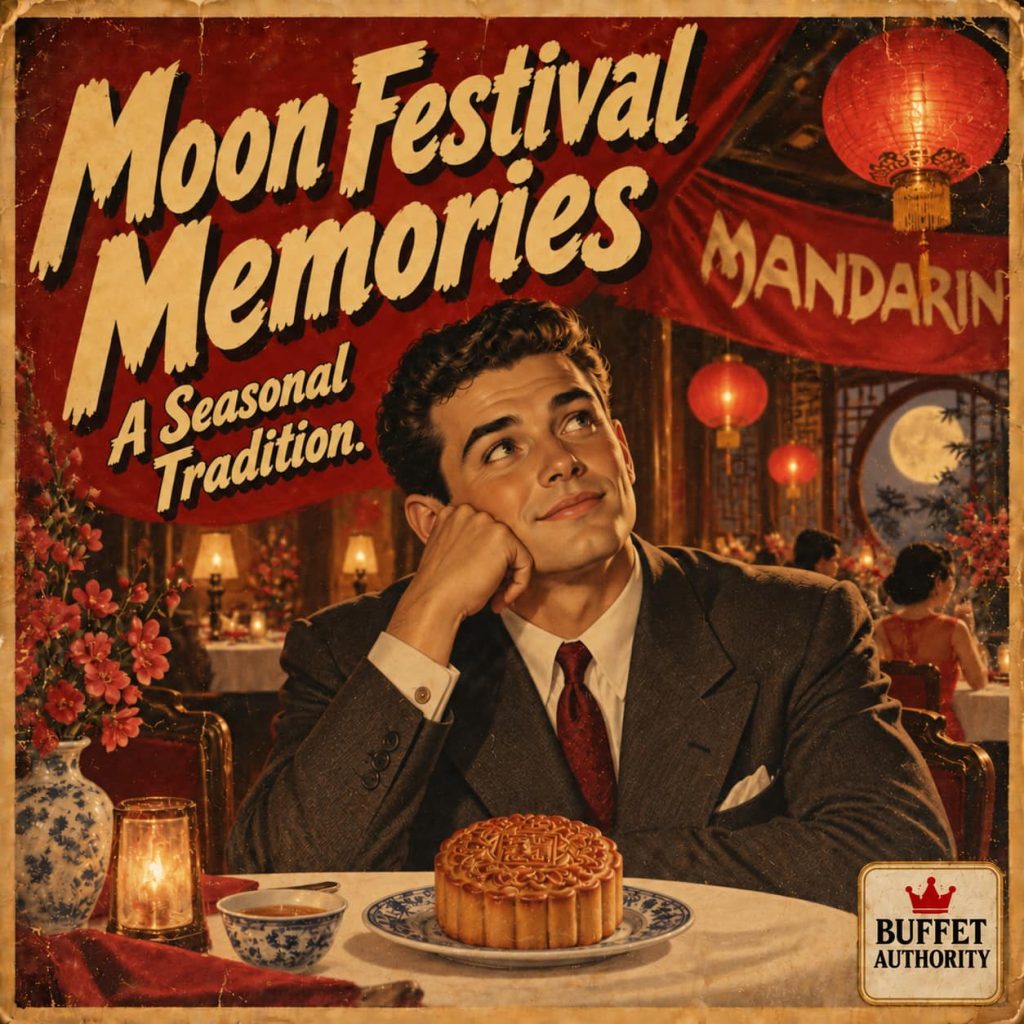
Mandarin Brings Back Its Moon Festival Buffet September 8
New Duck Bao joins returning seasonal favorites during the Ontario chain’s fall tradition.

September 5, 2026
Uno Pizzeria Joins the AYCE Ranks With $14.99 Bottomless Deep Dish
The 10-week promotion starts today at 21 restaurants after Uno’s $99 Pizza Pass sold out.

NEWEST RESTAURANT PROFILES
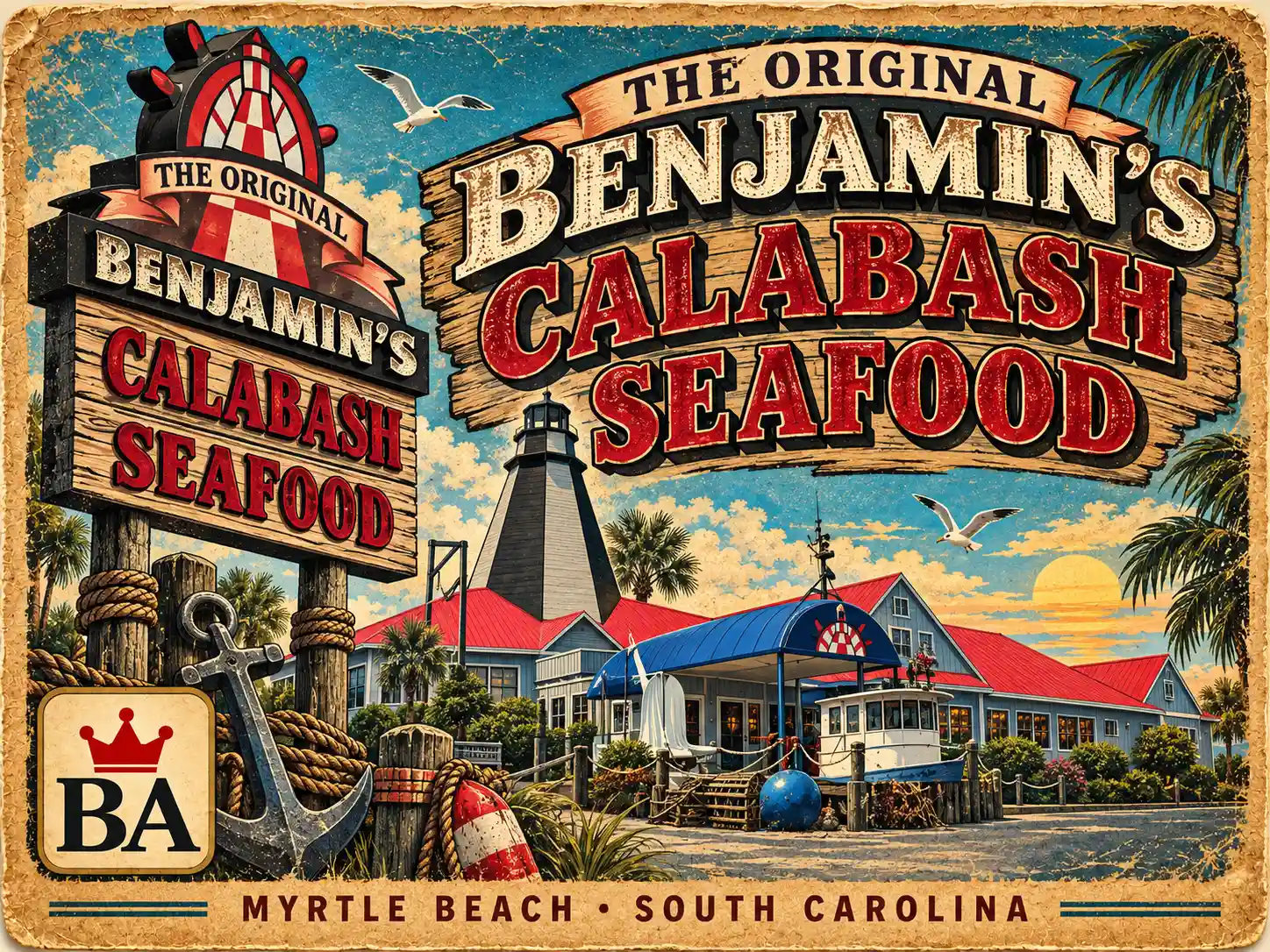
The Original Benjamin’s Calabash Seafood
Myrtle Beach,
South Carolina
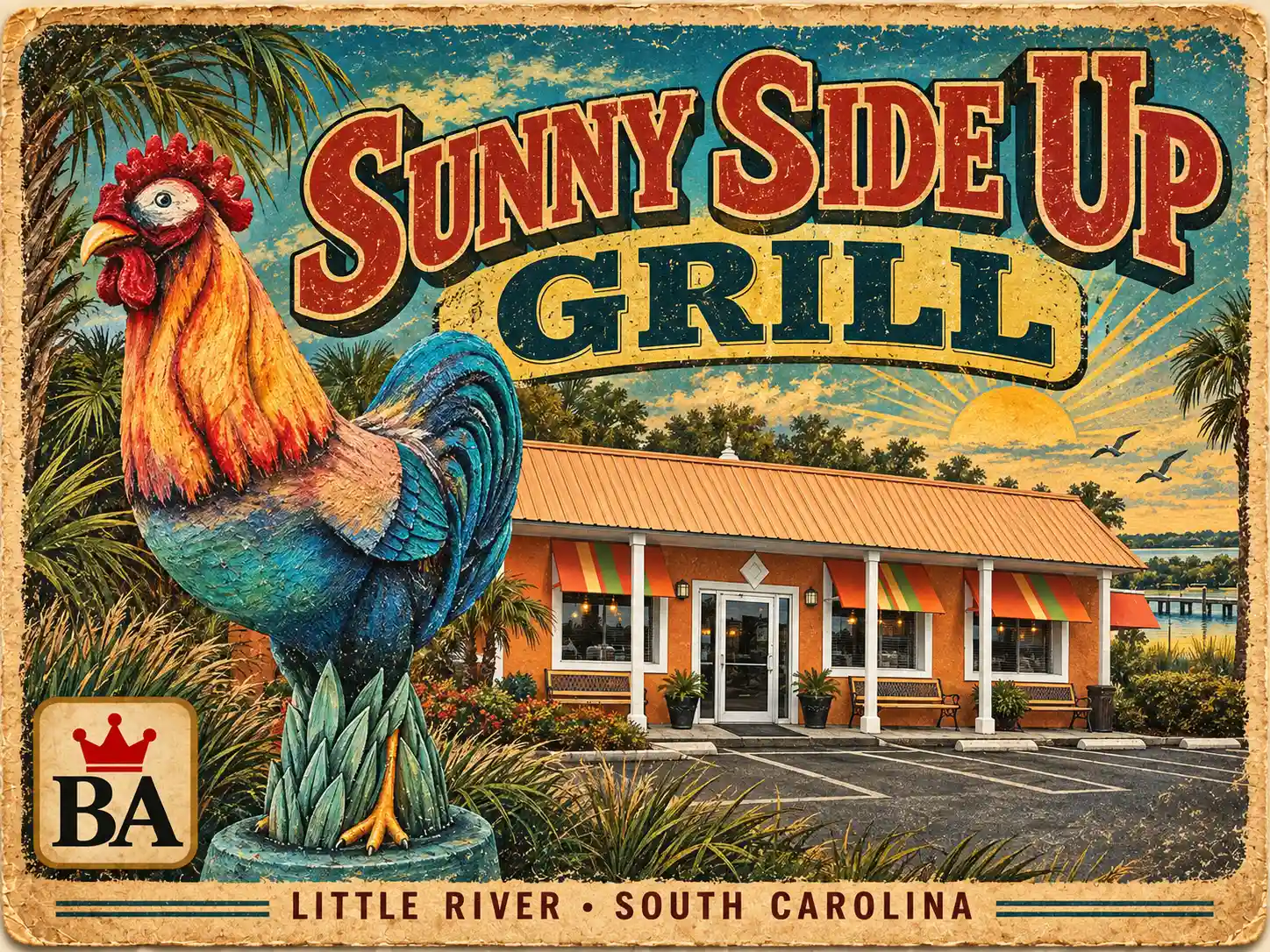
Sunny Side Up Grill
Little River,
South Carolina
Simply Southern Smokehouse
Myrtle Beach,
South Carolina

Sea Captain’s House
Myrtle Beach,
South Carolina