
Cuisine
Meal Periods
Dining Format
Price Range
$Call$
Website
Cuisine
Meal Periods
Dining Format
Price Range
$Call$
Website
EXPERIENCE
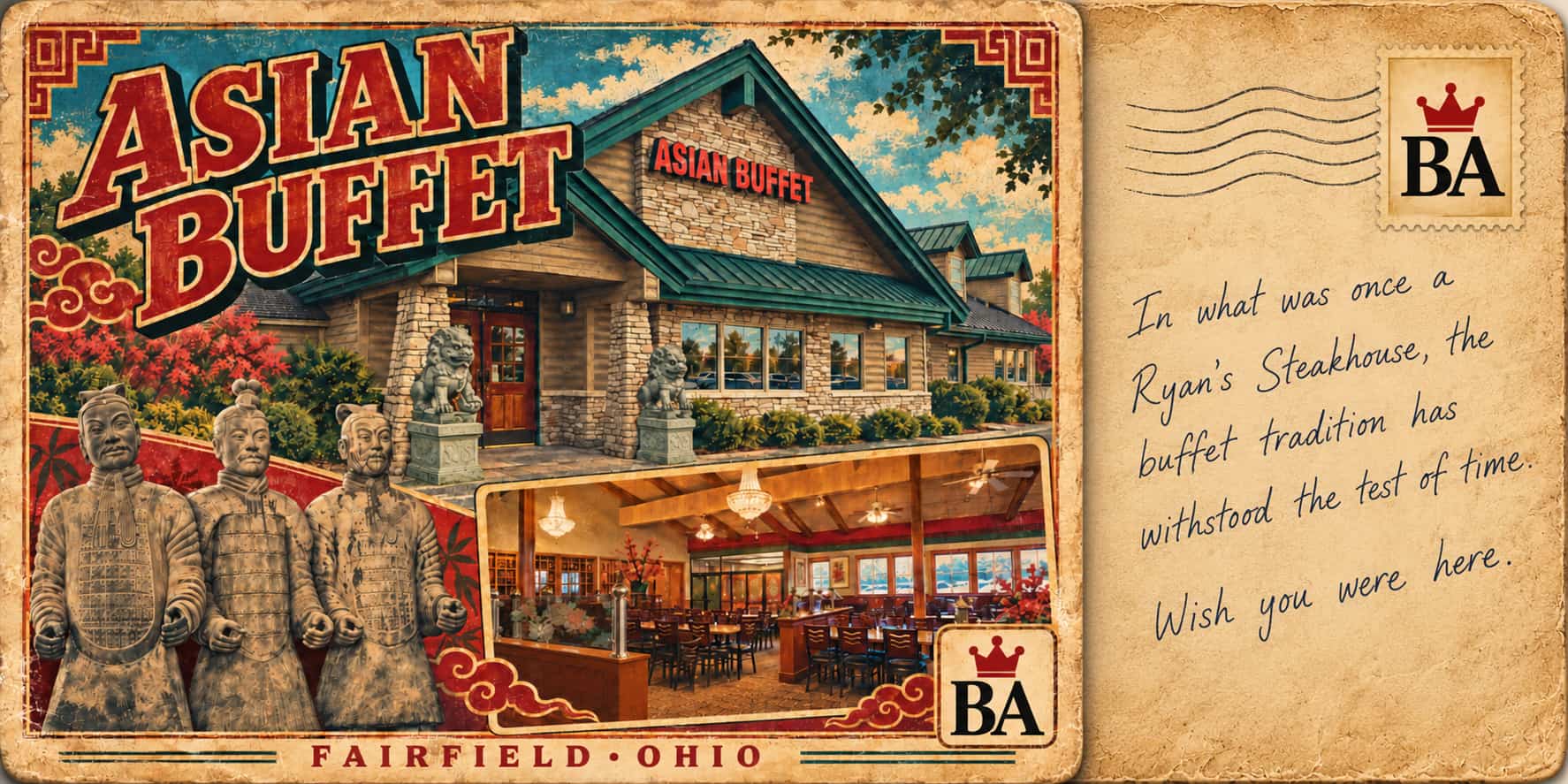
Asian Buffet occupies the kind of building that was made for abundance. The restaurant opened here in late 2009 after taking over a former Ryan’s Steakhouse, and that inherited buffet DNA still shapes the experience. The stone-fronted, peaked-roof exterior leads into a broad suburban dining room with enough depth for families, groups and private parties without forcing everyone into one crowded space.
The buffet is the visual center of the room. Dark wood-fronted islands spread the food across an open service area beneath blue sky-and-cloud ceiling panels and hanging lights, giving the room a slightly time-capsule personality. You do not face one continuous cafeteria line; the layout encourages wandering from hot dishes to sushi, salad and dessert, then breaking away to the hibachi station for something cooked on the flat top.
That hibachi counter expands the variety of the meal. A plate can move from ready-made Chinese-American favorites to sushi, pause for a made-to-order pass at the grill, then swing back toward seafood or the more American side of the hot buffet. The room is large enough that this back-and-forth feels natural rather than congested, and the private dining capacity makes the restaurant especially comfortable for family gatherings and larger parties.
There is nothing precious about Asian Buffet, and that is part of its appeal. It has the practiced, slightly old-school character of a full-size neighborhood buffet that has been feeding Fairfield for more than fifteen years. The old steakhouse bones, the painted-sky ceiling, the chandeliers suspended in the beamed soaring dining spaces, the long run of buffet islands and the mix of tableside plate clearing with self-directed exploration all point toward the same idea: this is a place built around the pleasure of having another route through the room.

FOOD
Asian Buffet works best when treated as several buffets sharing one large room. The Chinese-American hot line provides the dependable main feature, but sushi, hibachi, seafood and a surprising run of American comfort food give the meal enough side paths that no two plates need to look related. The appeal is less about one signature dish than about the freedom to keep changing cuisines.
The sushi bar and hibachi station are the clearest departures from the steam tables. The sushi selection gives the meal a lighter opening before the fried and sauced dishes take over, while the hibachi counter adds a cooked-to-order intermission. Raw ingredients go to the flat top and come back hot, making the grill an easy reset when a second or third buffet plate starts to resemble the first.
On the hot Chinese side, Mongolian beef and orange chicken are useful anchors because they pull in opposite directions: one savory and onion-forward, the other sweet and citrusy. Sesame chicken, teriyaki chicken and fried rice stay close to familiar buffet territory, while mei fun adds more interesting noodle choices than a lone pan of lo mein. Crab rangoon, fried wontons and spring rolls fill out the appetizer end with the crisp, snackable things that tend to disappear before a plate reaches the table.
Seafood gives the buffet another layer. Coconut shrimp brings the sweet, creamy side of the genre; crawfish and white fish move the plate in a more direct seafood direction; and the broader rotation can reach into mussels and other shellfish. The point is not a polished raw-bar presentation. It is abundance: enough forms of seafood to build a dedicated shellfish plate or simply add one or two pieces beside the Chinese hot dishes.
One of the most distinctive parts of Asian Buffet is how comfortably the American food sits beside everything else. Barbecue ribs, roast beef, mashed potatoes, green beans, fried potatoes and pizza are not just token concessions for the one person who does not want Chinese food. Together they form a legitimate second vocabulary for the buffet, and the old Ryan’s Steakhouse setting makes that crossover feel almost inevitable. A plate of roast beef, potatoes and green beans can exist one trip away from sushi and Mongolian beef without the restaurant acting as though those worlds need to be separated.
Soups and smaller items make good pacing tools between larger plates. Egg drop and wonton soups offer the familiar warm pause, while chicken on a stick, tempura-style fried bites and crab rangoon can be treated as a small-plate circuit of their own. This is the kind of buffet where sampling is part of the entertainment, and the broad spread rewards taking less of each thing the first time through.
Dessert keeps the same mix-and-match spirit. Egg tarts bring a custardy pastry finish that feels more specific than the usual sheet-cake finale, while ice cream provides the familiar buffet ending. By that point the meal may have moved from sushi to hibachi, through orange chicken and coconut shrimp, over to roast beef and potatoes and back again. Asian Buffet’s identity is the range itself: an old-school suburban buffet big enough to let several different appetites coexist under one roof.
FOOD HIGHLIGHTS
♛ Made-to-Order Hibachi — a hot, flat-top counterpoint to the steam-table buffet.
♛ Sushi Bar — assorted sushi for a lighter plate before the hot lines.
♛ Coconut Shrimp — crisp shrimp finished with a sweet coconut coating.
♛ Crawfish — shellfish abundance that gives the seafood side extra personality.
♛ White Fish — a lighter seafood choice among fried and sauced dishes.
♛ Mongolian Beef — a savory, onion-forward anchor from the Chinese hot line.
♛ Orange Chicken — sweet citrus glaze over a classic buffet favorite.
♛ Crab Rangoon — crisp, creamy appetizer built for repeat trips.
♛ Drunken Noodles — a noodle detour beyond the usual fried rice and lo mein.
♛ Barbecue Ribs — smoky-sweet American crossover from the hot buffet.
♛ Roast Beef with Mashed Potatoes — straight-up comfort food inside an Asian buffet.
♛ Egg Tarts — custardy pastry bites before the final scoop of ice cream.
LATEST FROM THE WIRE
September 6, 2026
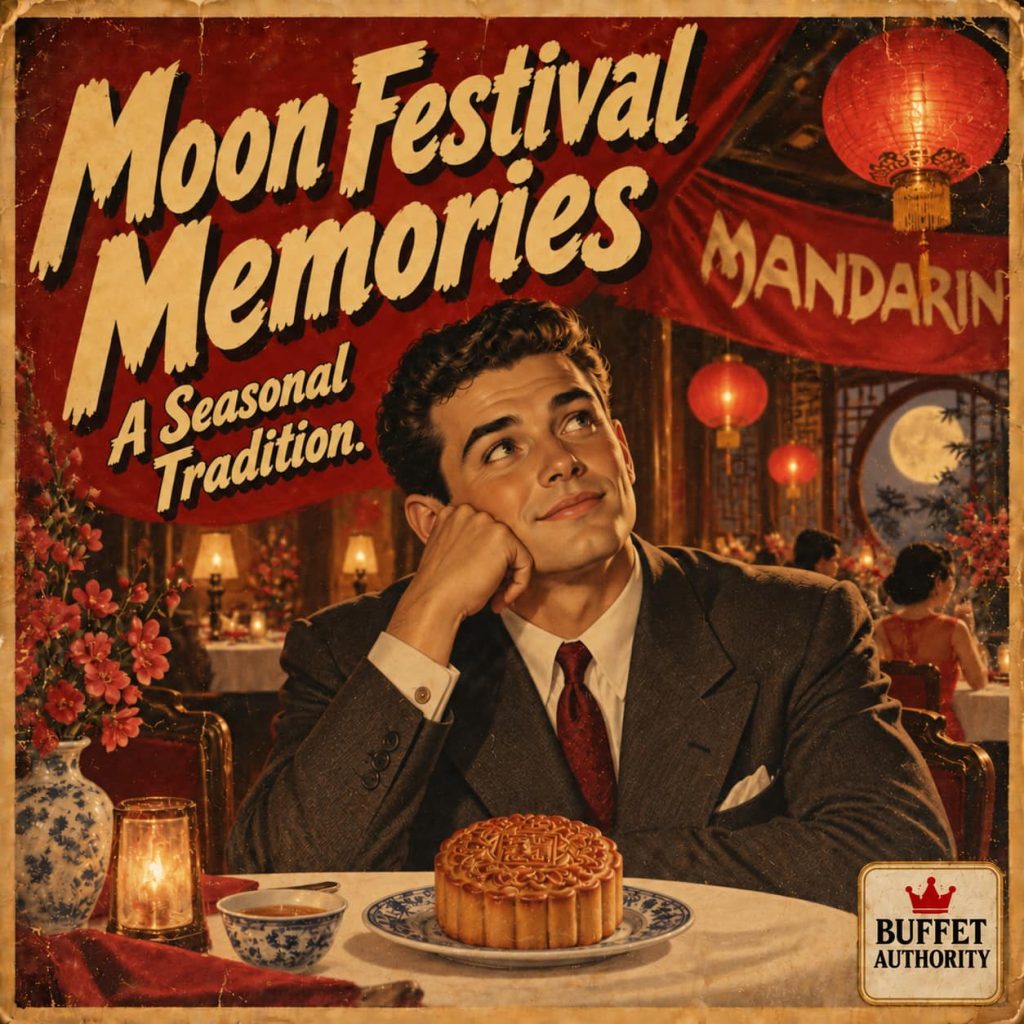
Mandarin Brings Back Its Moon Festival Buffet September 8
New Duck Bao joins returning seasonal favorites during the Ontario chain’s fall tradition.

September 5, 2026
Uno Pizzeria Joins the AYCE Ranks With $14.99 Bottomless Deep Dish
The 10-week promotion starts today at 21 restaurants after Uno’s $99 Pizza Pass sold out.

NEWEST RESTAURANT PROFILES
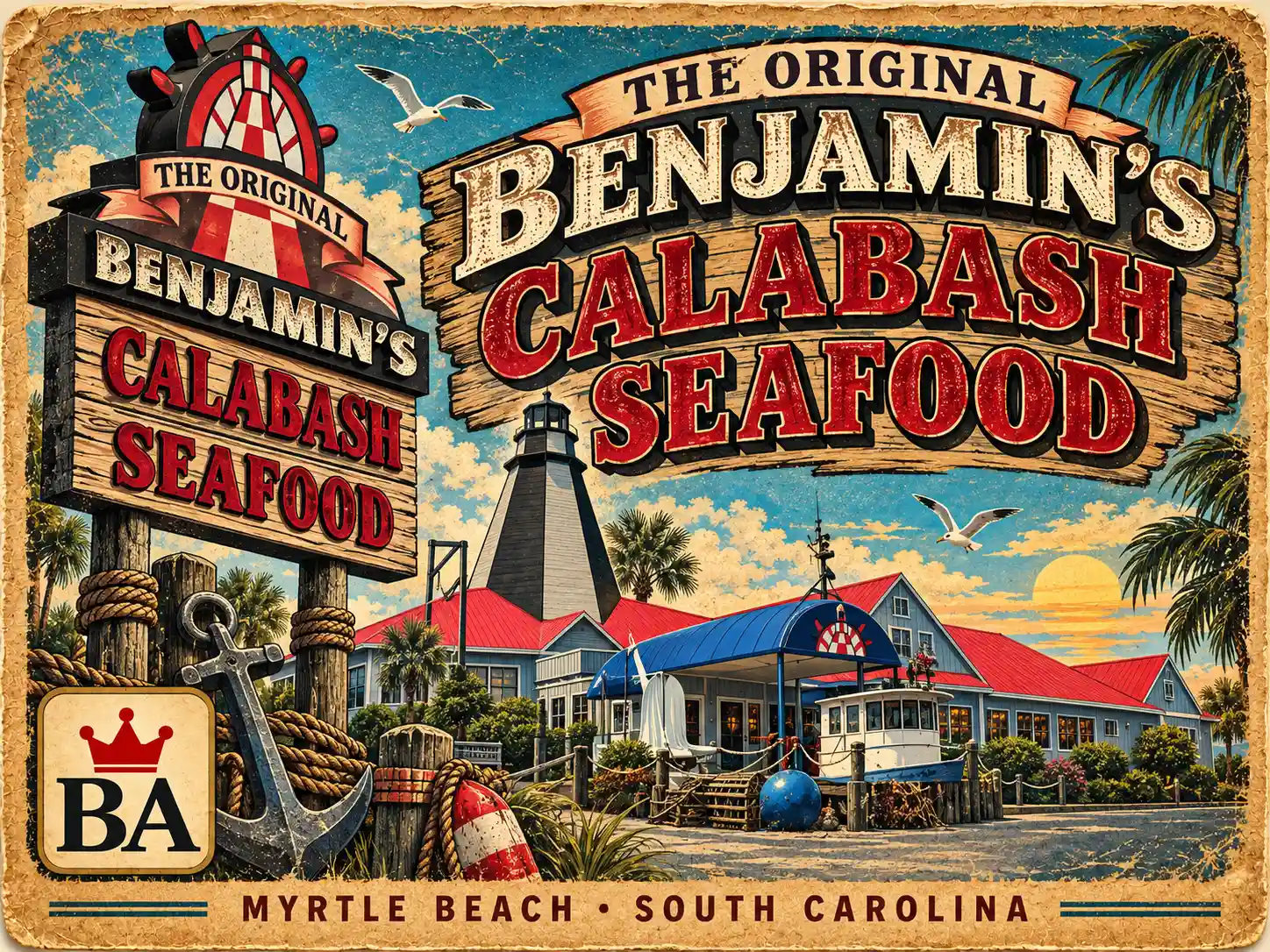
The Original Benjamin’s Calabash Seafood
Myrtle Beach,
South Carolina
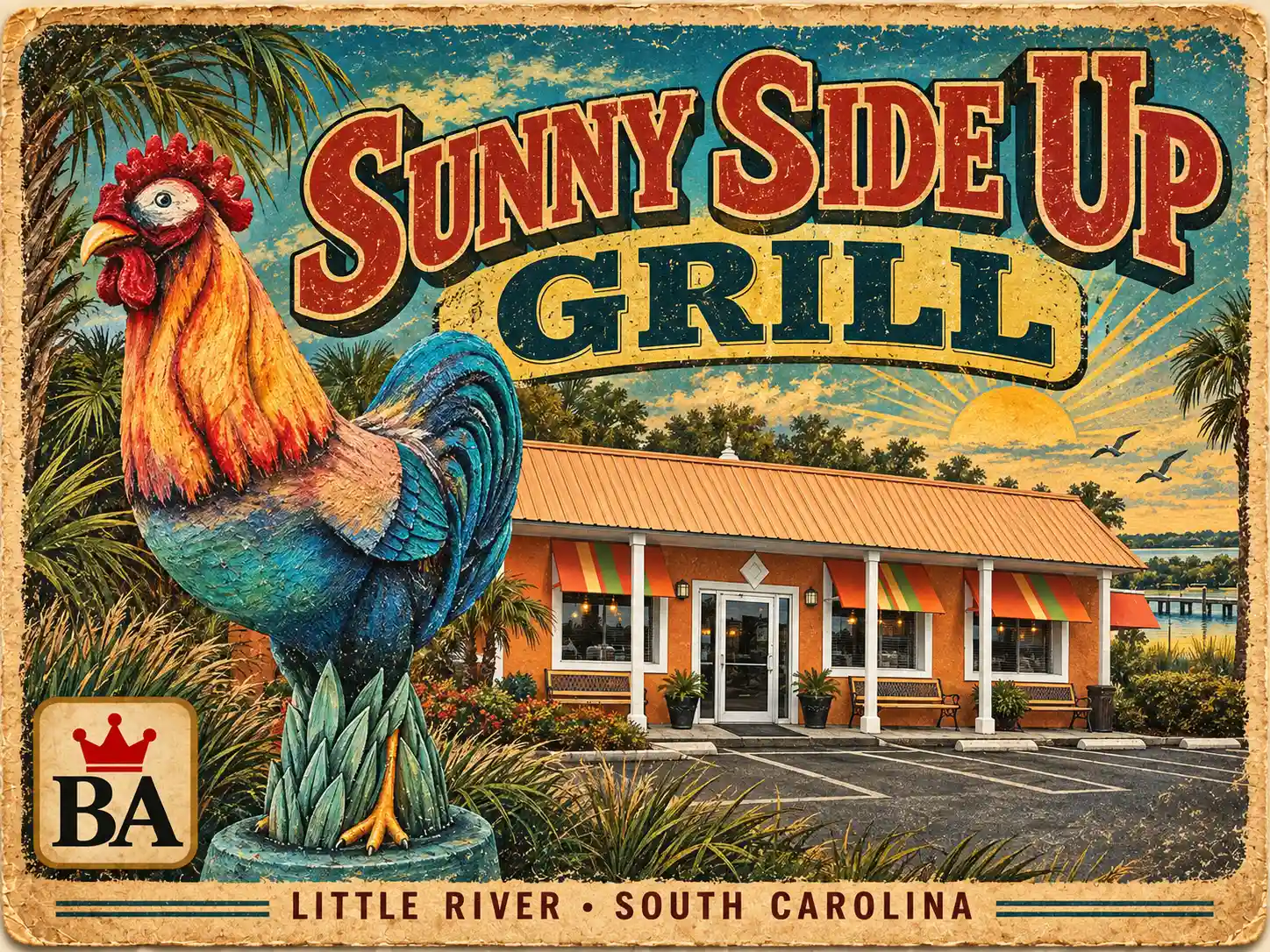
Sunny Side Up Grill
Little River,
South Carolina
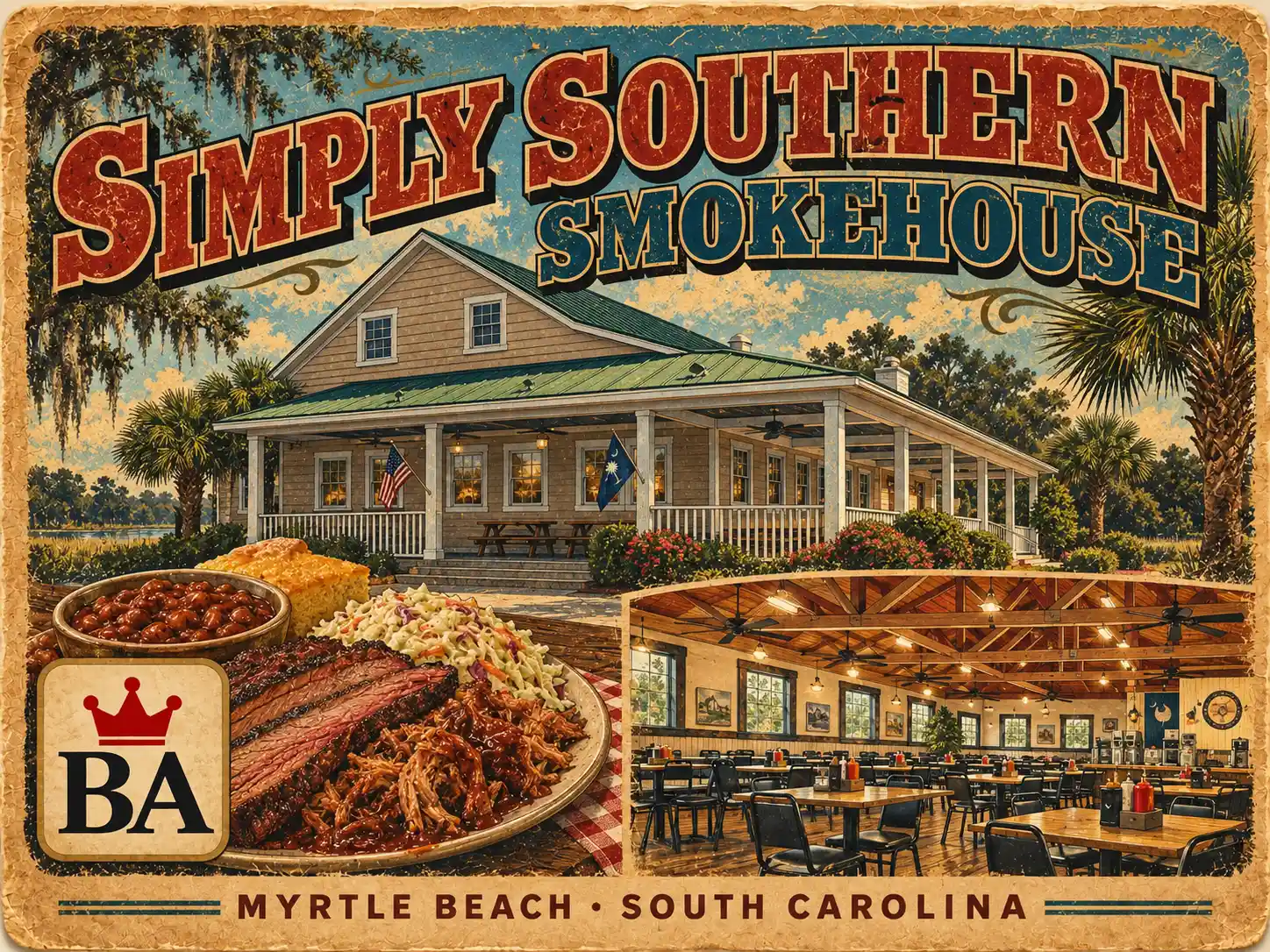
Simply Southern Smokehouse
Myrtle Beach,
South Carolina

Sea Captain’s House
Myrtle Beach,
South Carolina