
Cuisine
Meal Periods
Dining Format
Price Range
$12 - $15
Website
Cuisine
Meal Periods
Dining Format
Price Range
$12 - $15
Website
EXPERIENCE
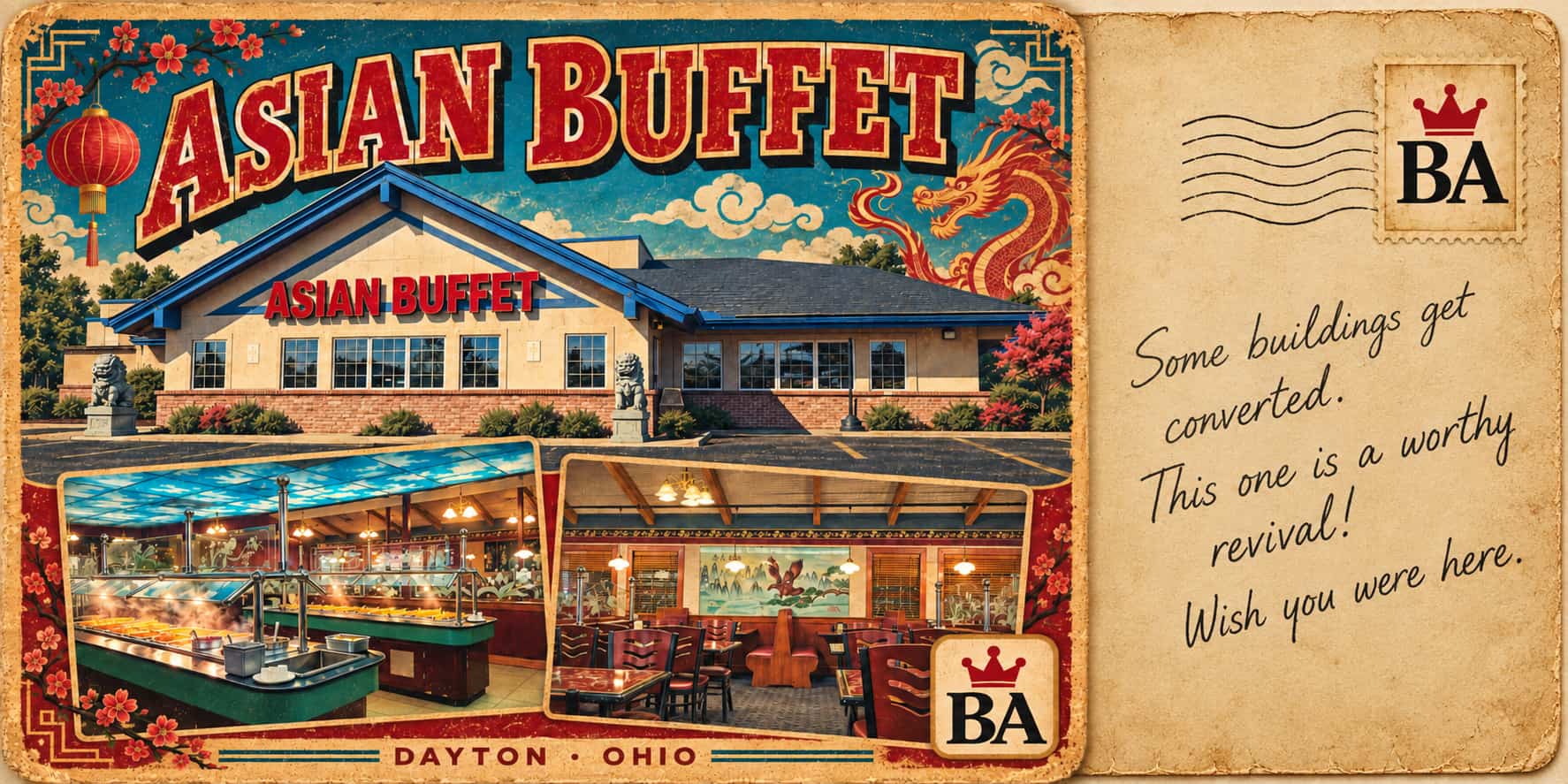
Asian Buffet occupies a building that explains itself once its history is known. The stand-alone Miller Lane structure, with its broad footprint, deep parking field and peaked entrance, was built in 2001 for a Ryan’s Steakhouse. The address never stopped being suited to abundance. Instead of squeezing a buffet into a former retail box, Asian Buffet inherited a building designed around crowds, repeated trips to food stations and a dining room capable of absorbing them, with over 25 years of earned all-you-can-eat history.
That lineage gives the restaurant an old-school buffet scale with a small dose of nostalgia. Multiple buffet runs spread the selection through the room, with the sushi counter, hibachi grill and dessert area creating separate destinations. It pays to take a quick stroll through the layout: see where the hot dishes end, note the grill for later, remember the crab rangoon, and decide how much plate space to surrender before the made-to-order round.
The hibachi station is the clearest change of pace from its Ryan’s Steakhouse history. Chicken, beef and shrimp can be combined with onions, peppers, mushrooms and other vegetables, then handed over for flat-top cooking with garlic and a choice of sauces. That short wait introduces a different reward into an otherwise self-directed meal and gives the guest something cooked to order between trips through the prepared-food lines.
The result is a practical, familiar kind of abundance that fits the Miller Lane corridor. The building has already lived one buffet life and is well into another, but the underlying logic still works: a big dining room, room to circulate, and enough separation among stations to make another pass feel natural. Asian Buffet’s most interesting feature may be the simplest one — this is a purpose-built buffet building still doing what it was designed to do, only with a different culinary vocabulary.

FOOD
Asian Buffet is built around the broad Chinese-American buffet vocabulary that makes mixing categories on one plate feel completely normal. The hot line carries the familiar anchors — General Tso’s chicken, sesame chicken, sweet-and-sour chicken, fried rice and lo mein — alongside fried appetizers and vegetable dishes. Crab rangoon belongs near the center of that first-pass logic: crisp, creamy and easy to pair with almost anything else headed onto the plate.
Beef dishes add a more savory counterweight to the sweeter chicken trays. Pepper steak with onions and Mongolian beef bring sliced beef, softened vegetables and darker sauces into the rotation, while fried chicken wings offer the kind of crossover item that works equally well beside noodles or on a mostly American plate. Spring rolls and egg rolls fill the same role at the edges, giving each trip a few small things that are easy to add without committing much plate space.
Seafood expands the buffet beyond the basic neighborhood-Chinese formula. Shrimp shows up in several directions, including fried preparations and a richer butter-shrimp style, while baked mussels provide the sort of old-school buffet treat that rewards a little curiosity. The seafood assortment can vary, so the useful habit is to scan before loading up elsewhere; this is the part of the buffet where an unexpected item can change the plan for the next trip.
The hibachi grill deserves its own round. The setup lets the guest assemble chicken, beef or small shrimp with onions, green peppers, mushrooms and other vegetables, add garlic and choose a sauce, then hand the plate over for flat-top cooking. It is a straightforward made-to-order system, but it changes the character of the meal. After a plate assembled from steam-table dishes, the grill supplies sharper texture, hotter vegetables and a combination built around exactly the proportions the guest chose.
Sushi is a smaller part of the operation, more supporting station than centerpiece. Simple rolls give the buffet a cool, compact counterpoint to the fried and sauced foods, and they are especially useful early in the meal before the heavier plates begin. The restaurant’s broader Japanese side also shows up through tempura-style and teriyaki flavors, but the buffet’s main attraction remains the Chinese-American hot line and hibachi rather than an elaborate sushi program.
There is still room here for the classic American-buffet crossover that the building almost seems to invite. Pizza, macaroni and cheese and dinner rolls can share the same trip as fried rice or chicken, especially for families assembling very different plates at the same table. Dessert follows the same generous, unfussy pattern: fruit, ice cream, pudding-style sweets, cakes and strawberry-covered bananas provide several ways to close without turning the final trip into a separate production.
The best way to approach Asian Buffet is not to treat the whole spread as one giant checklist. Start with the Chinese-American anchors, save deliberate room for the hibachi grill, and use sushi, seafood and dessert as smaller side routes. That creates a meal with some contrast instead of one overloaded first plate. In a building engineered for buffet circulation since the Ryan’s era, repeated trips are not a workaround; they are the intended grammar of the place.
FOOD HIGHLIGHTS
♛ Crab Rangoon — creamy fried pockets that make an easy first-pass anchor.
♛ General Tso’s Chicken — sweet-hot Chinese-American buffet comfort in familiar form.
♛ Sesame Chicken — sticky, sesame-flecked counterpoint to the hotter chicken tray.
♛ Pepper Steak with Onions — sliced beef and softened onions in savory sauce.
♛ Mongolian Beef — darker, savory beef option for a less-sweet plate.
♛ Lo Mein — soft noodles built to share plate space with almost anything.
♛ Hibachi Chicken — cooked to order with vegetables, garlic and chosen sauce.
♛ Hibachi Beef — thin-sliced beef gives the grill a heartier second round.
♛ Hibachi Shrimp — small shrimp cooked fresh on the flat top.
♛ Butter Shrimp — richer seafood choice amid the fried and sauced selections.
♛ Baked Mussels — an old-school buffet detour for the curious plate.
♛ Strawberry-Covered Bananas — a playful fruit-and-sweets finish from dessert.
LATEST FROM THE WIRE
September 6, 2026
Mandarin Brings Back Its Moon Festival Buffet September 8
New Duck Bao joins returning seasonal favorites during the Ontario chain’s fall tradition.

September 5, 2026
Uno Pizzeria Joins the AYCE Ranks With $14.99 Bottomless Deep Dish
The 10-week promotion starts today at 21 restaurants after Uno’s $99 Pizza Pass sold out.

NEWEST RESTAURANT PROFILES
The Original Benjamin’s Calabash Seafood
Myrtle Beach,
South Carolina
Sunny Side Up Grill
Little River,
South Carolina
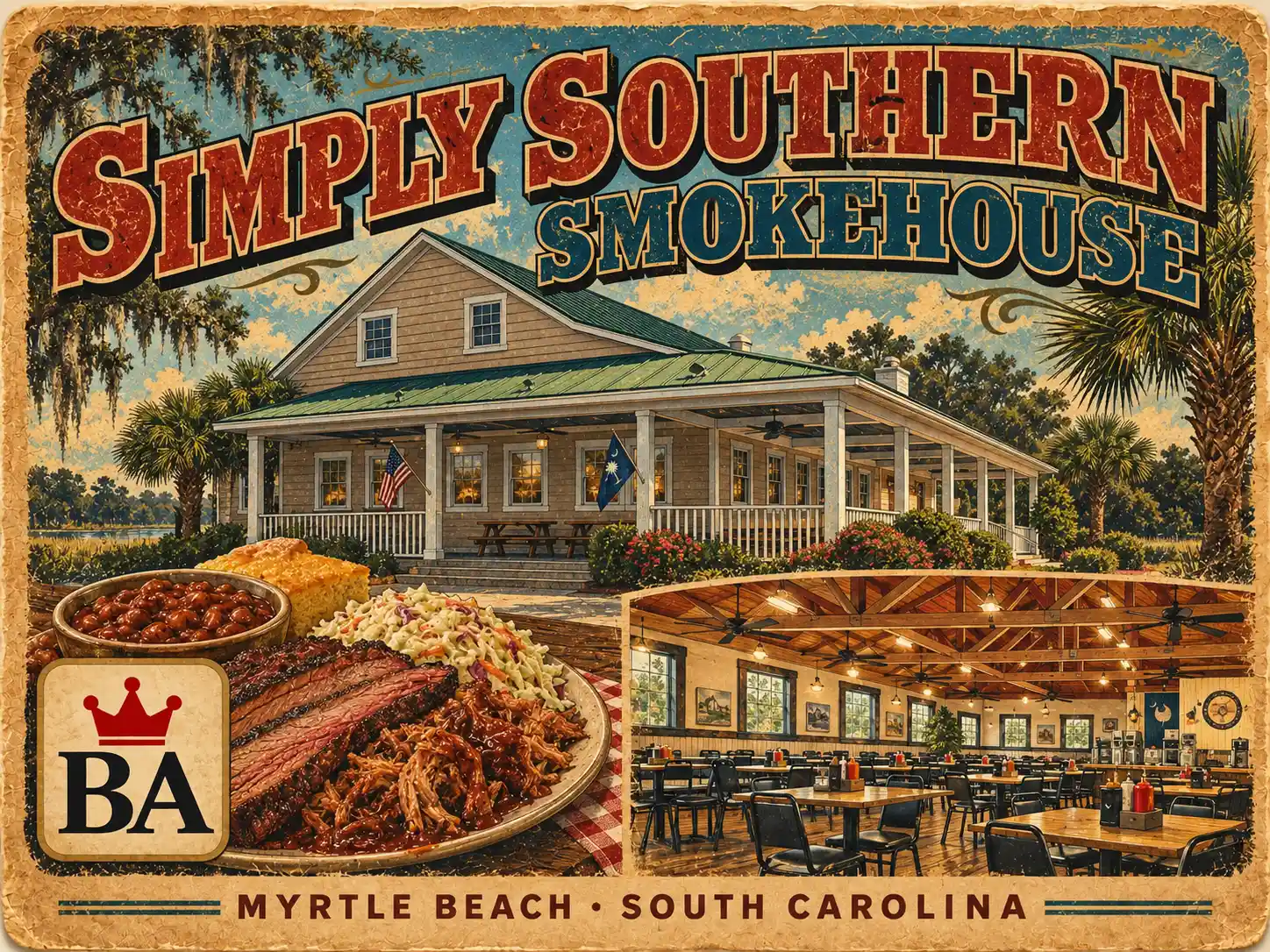
Simply Southern Smokehouse
Myrtle Beach,
South Carolina

Sea Captain’s House
Myrtle Beach,
South Carolina