
China Sea Hibachi Buffet
Cuisine
Meal Periods
Dining Format
Phone
Website
Cuisine
Meal Periods
Dining Format
Phone
Website
EXPERIENCE
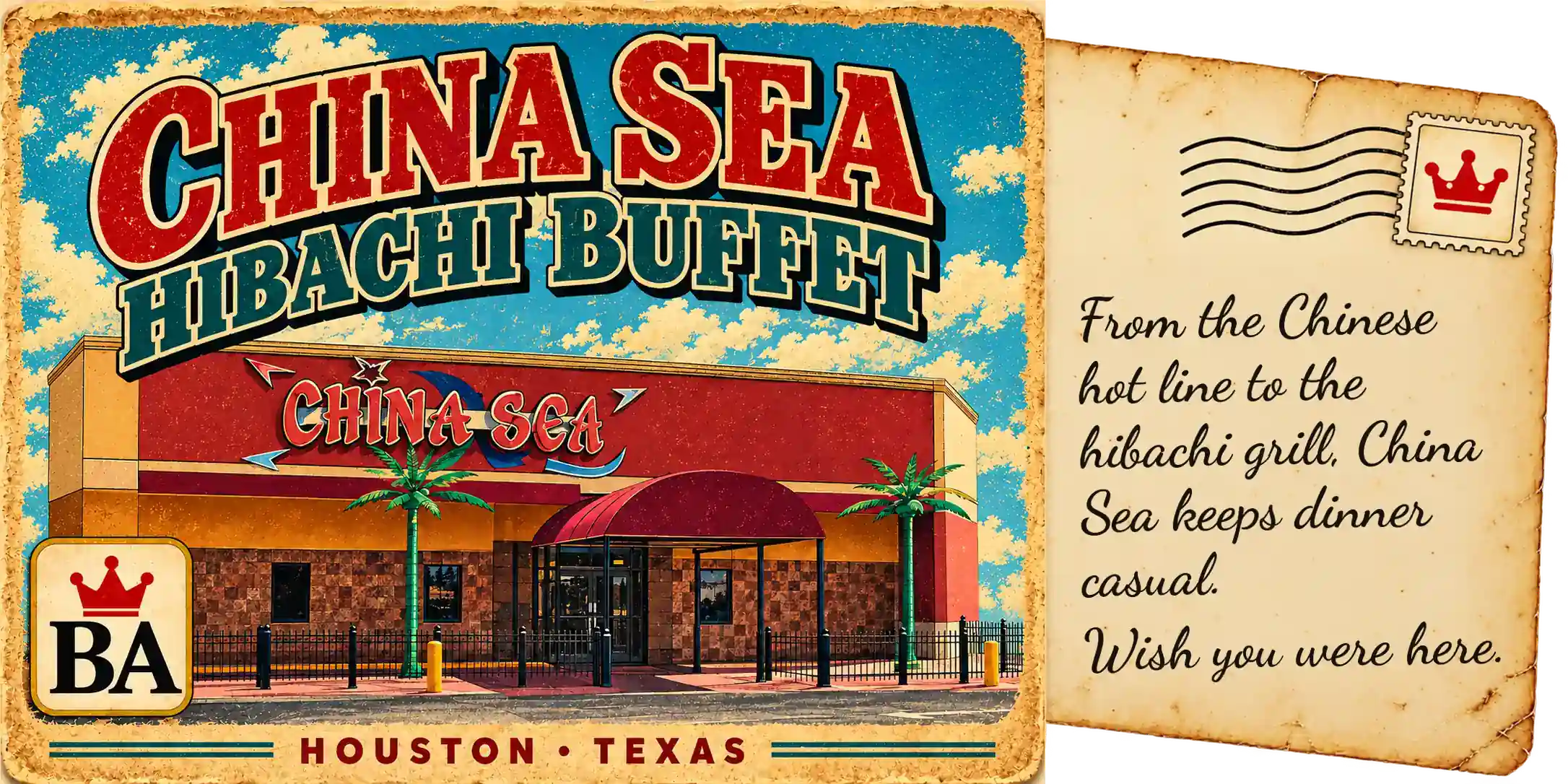
China Sea Hibachi Buffet brings Chinese-American buffet dining, sushi and a cook-to-order hibachi station together on Houston’s Tomball Parkway. The hot line includes dishes such as pepper steak and honey chicken, with fish and shrimp adding a seafood side to the meal. It’s a casual all-you-can-eat lunch or dinner, with the grill giving the restaurant a little more to offer than its ready-cooked spread alone.
The red frontage makes China Sea easy to recognize at 18736 State Highway 249. Large lettering announces the name, while a burgundy canopy covers the entrance. Two decorative palm-shaped fixtures stand beside the doors—a cheerful flourish on an otherwise practical roadside building. The signs outside mention hibachi and sushi, giving a fair introduction to what awaits inside.
The dining room keeps things straightforward, with booths and tables near the food counters. Dark booth seating and red-backed chairs carry some of the exterior’s warm color indoors. This is an informal restaurant setting, suited to an ordinary lunch as well as dinner with family or friends. The food and the company can supply the occasion.
The hibachi station is the feature that makes the meal more involved. Guests select ingredients and a cook prepares them to order, while the Chinese buffet dishes are ready to serve. That combination is China Sea’s particular appeal: a recognizable Chinese-American buffet meal with cooking at the counter as part of the experience. The grill deserves its place in the restaurant’s name.

FOOD
Pepper steak with onion is one of China Sea’s Chinese-American staples, putting beef and vegetables among the main dishes on the hot line. It shares that part of the spread with honey chicken and bourbon chicken. Honey chicken brings a sweeter seasoning to the meal, while the beef-and-onion combination offers another main beyond the chicken dishes. These are everyday Chinese buffet favorites, and a focal point of the restaurant’s menu.
Lo mein continues that Chinese-American restaurant tradition. Soft noodles give lo mein a different texture from the rice-based sushi elsewhere in the meal. It belongs naturally beside pepper steak, sweet and sour chicken, chicken with broccoli and other favorites, but it also gives the buffet a noodle component with its own appeal. At China Sea, lo mein is part of the Chinese hot line; the hibachi station has noodles among its ingredients too.
The hibachi display includes beef, chicken, broccoli, carrots and mushrooms alongside those noodles. Guests assemble their ingredients before the cook prepares the dish to order. This part of the meal puts vegetables and noodles into the cooking itself, with the final combination determined at the counter. It gives the grill a clear role alongside the finished Chinese dishes, and makes hibachi more than an extra word on the sign.
Fried catfish adds a Southern fish-house staple to the seafood selection. Catfish has a longstanding place in Southern cooking, so its presence gives this Chinese-American buffet a recognizable regional connection without changing the restaurant’s overall character. Baked fish provides another preparation, with fried shrimp extending the seafood beyond fish. The selection changes by service, including the seafood dishes; this is a representative picture of the spread, although specific items may change by day and meal period.
California rolls bring sushi into the meal, and make a good introductory roll for those guests not as familiar with sushi. The classic California roll is a cooked-seafood style, traditionally combining crab-style seafood with cucumber and avocado, sushi rice and nori. That general combination explains its broad familiarity without requiring an interest in raw fish. At China Sea, it sits within a meal that also includes hot Chinese dishes and seafood, rather than defining the restaurant as a specialist sushi bar. Other rolls tend to be similarly approachable but range into raw salmon and tuna as well.
Hot-and-sour soup contributes the heat and acidity suggested by its name. Those are the defining qualities of the soup style, and a sharper counterpoint to sweet-seasoned chicken and the fried seafood. Soup is a small but distinct part of the Chinese restaurant meal here, alongside the beef, chicken and noodles.
Self-serve ice cream offers a straightforward dessert finish. Something cold and sweet is a simple contrast to the hot Chinese dishes and seafood. It rounds out a meal whose main interests are pepper steak, chicken, fish, noodles and the food prepared to order at the hibachi counter.
FOOD HIGHLIGHTS
♛ Pepper Steak with Onion — beef and vegetables from the Chinese hot line.
♛ Hibachi Station — selected ingredients cooked to order at the counter.
♛ Lo Mein — noodles among the Chinese-American buffet dishes.
♛ Fried Catfish — a Southern fish-house staple on the seafood selection.
♛ Fried Shrimp — another fried seafood preparation alongside the fish.
♛ California Roll — sushi alongside the cooked buffet dishes.
♛ Hot-and-Sour Soup — the Chinese soup’s characteristic heat and acidity.
LATEST FROM THE WIRE
November 1, 2026
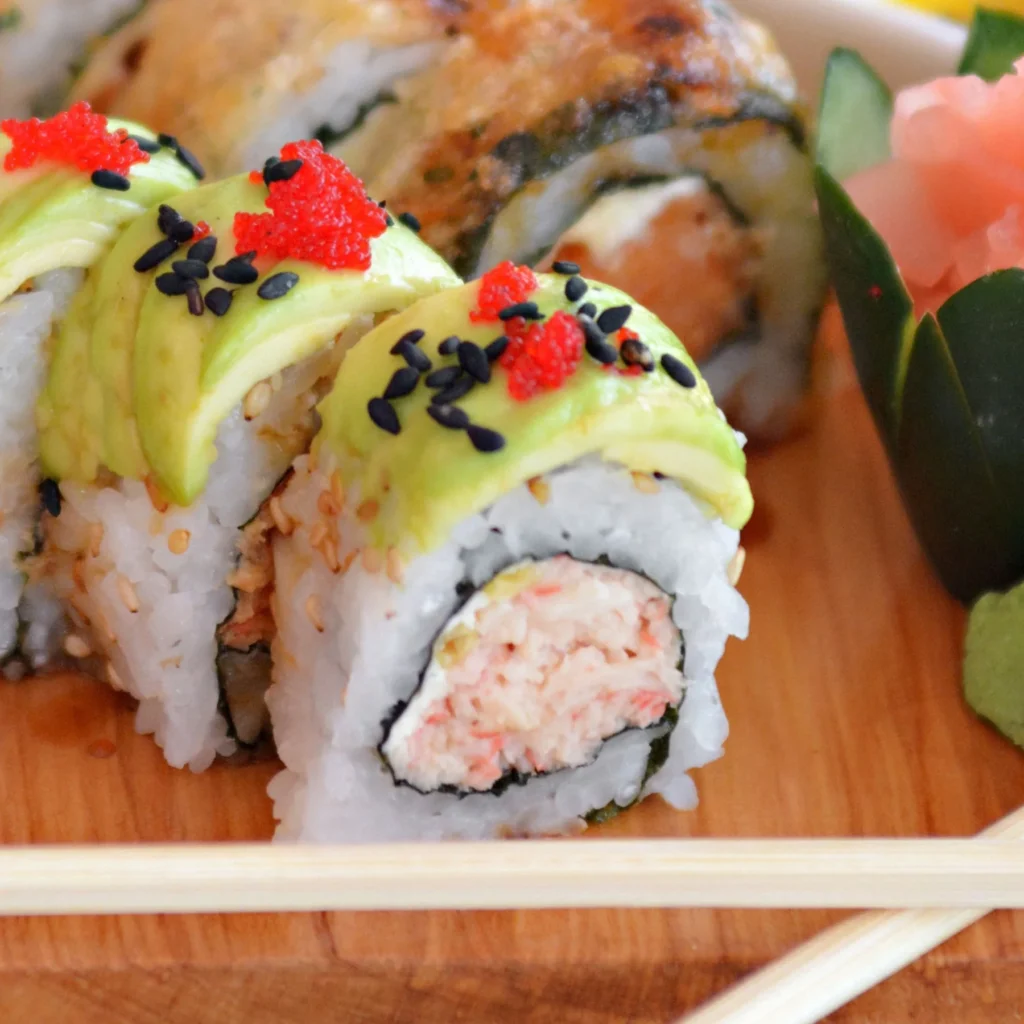
Sun Sushi and Grill Plans AYCE Restaurant in Former Phoenix AZ Cantina
A 5,750-square-foot proposal would bring sushi to a longtime West Greenway Road restaurant address.
November 1, 2026
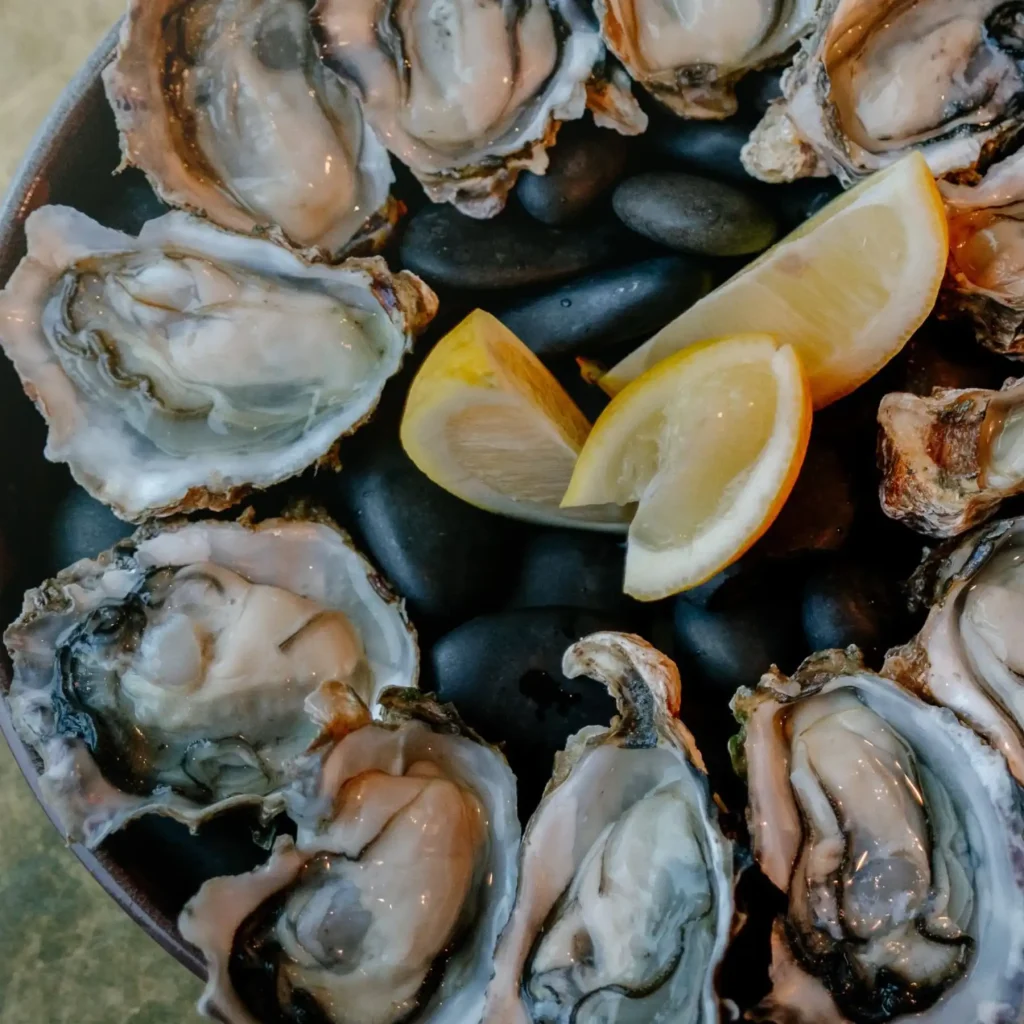
Waterman’s Crab House Launches Saturday Land & Sea Buffet in Rock Hall MD
Crab legs, oysters and prime rib headline a $45 buffet as the harbor restaurant explores off-season service.

NEWEST RESTAURANT PROFILES

Witch Topokki
Troy,
Michigan
5th Tavern
Bloomfield Township,
Michigan

The Whitney
Detroit,
Michigan
Shaad Deshi Cuisine
Warren,
Michigan