
Delhi Indian Cuisine
Cuisine
Meal Periods
Dining Format
Phone
Website
Cuisine
Meal Periods
Dining Format
Phone
Website
EXPERIENCE
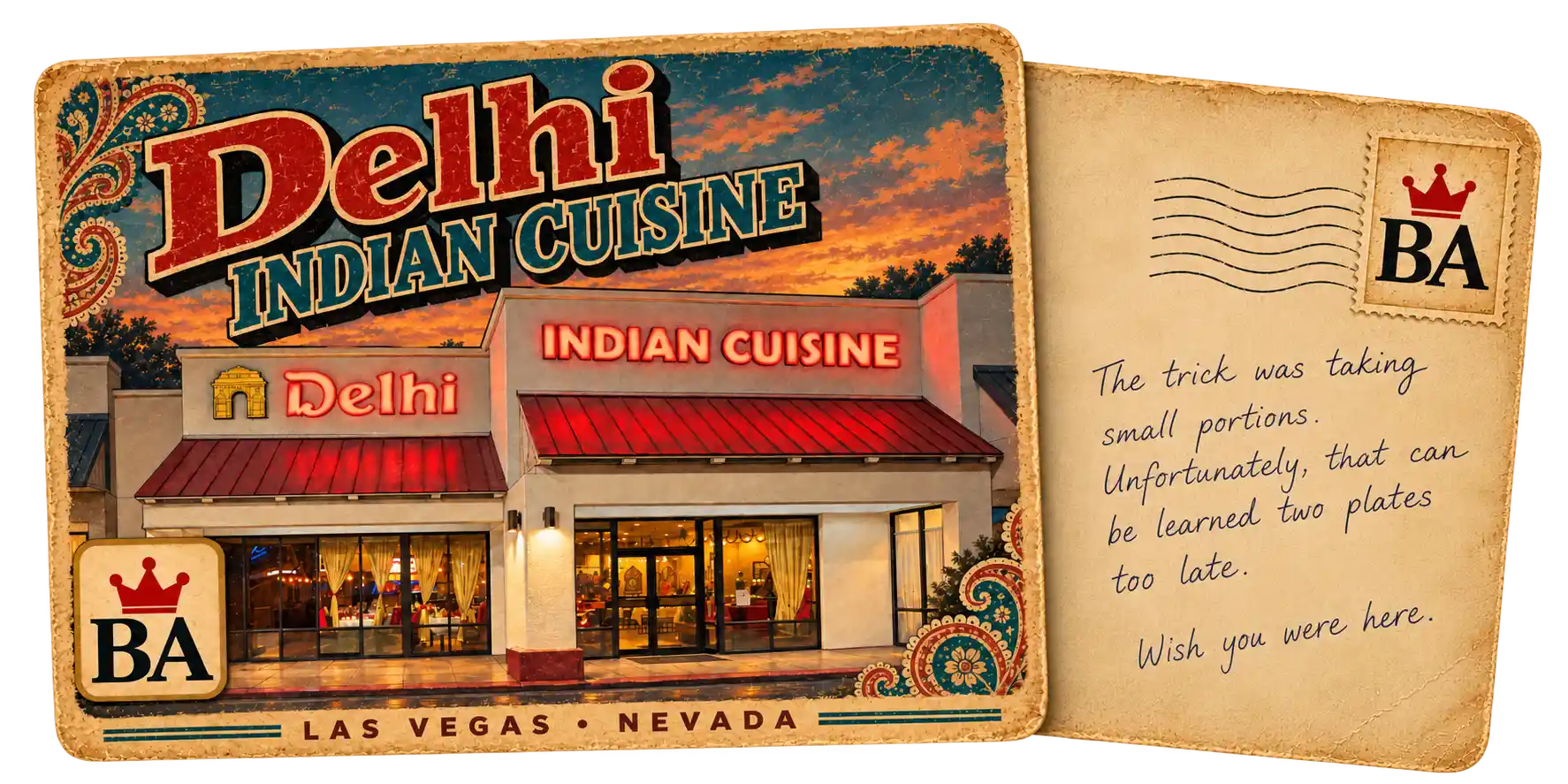
Delhi Indian Cuisine sits on Maryland Parkway across from the UNLV campus, roughly two miles east of the Strip. The approach is more neighborhood Las Vegas than resort Las Vegas: a surface parking lot, a storefront entrance and a restaurant that opens into considerably more space than the exterior first suggests. Inside, warm ochre walls, tiled floors, a low dark ceiling and rows of tables give the room the practical scale of a banquet restaurant rather than the theatrical scale of a casino buffet.
The daily lunch buffet is the clearest way to understand the place. Delhi currently advertises it at $19.99, with a self-service spread built around curries, rice and biryani, tandoori chicken, hot naan, vegetarian and vegan dishes, salads, chutneys, raita and Indian desserts. The station is part of the dining room rather than a separate food hall, so a first pass can take in most of the meal at once before the table becomes home base for repeats.
For anyone who does not eat Indian food often, the buffet is also unusually useful as a low-stakes vocabulary lesson. Paneer means the mild fresh cheese that appears in several vegetarian dishes. Dal means lentils. Chana means chickpeas. Palak means spinach, and aloo means potato. Once those few words are translated, a row of unfamiliar labels becomes much easier to read: palak paneer is cheese in a spinach curry; chana masala is spiced chickpeas; dal tadka is seasoned lentils.
A small samosa or pakora can start the plate; a spoonful of one creamy curry can sit beside a sharper tomato-based one; rice becomes the base for the sauces; raita and chutneys provide cooling or acidic contrast; and hot naan gives the meal its final tool, a soft bread meant for tearing and scooping rather than merely sitting beside the plate.
The restaurant extends well beyond the buffet. Its regular menu includes a full tandoor section, Indian curries, rice dishes and a Momo House devoted to Nepali dumplings and Indo-Chinese food. Those broader choices should not be mistaken for a promise that every item appears on the buffet, which rotates. On Friday, Saturday and Sunday, Delhi also advertises a weekend brunch program with bottomless champagne, fountain drinks, mango lassi and masala tea, giving the same large room a more leisurely unlimited format than the weekday lunch circuit.

FOOD
Delhi describes the lunch buffet as a rotating spread, which is the right way to approach it. The dependable structure is more important than any single day’s tray list: several curries, basmati rice and biryani, tandoori chicken, hot naan, vegetarian and vegan choices, salad, chutneys, raita and dessert. The current restaurant menu helps explain the vocabulary behind that rotation, while familiar anchors appear, such as chicken tikka masala, biryani, samosas and meat curry. The point is variety within a recognizable framework, not a permanently fixed checklist.
At the opening end of the meal, a vegetable samosa is the easiest reference point: a crisp, triangular pastry shell filled with seasoned potato and peas. Pakora takes a different route, coating vegetables – and on the broader menu, sometimes paneer, chicken or fish – in a chickpea-flour batter before frying. Both make sense with chutneys. Mint chutney supplies a cool herbal bite; tamarind chutney is darker, fruitier and sweet-sour. Raita is simpler still: cool yogurt, often lightly seasoned, used to soften heat and add moisture beside rice and curry.
Chicken tikka masala is one of the buffet’s most approachable curries because its construction is easy to understand. The chicken is first cooked in the tandoor, the high-heat clay oven, and then folded into a creamy tomato-based sauce. That produces two things at once: roasted flavor from the chicken and a rich gravy that wants rice or naan. Tandoori chicken itself removes the sauce from the equation. It is yogurt-and-spice-marinated chicken roasted in the clay oven, so the result is firmer, drier and more charred than the curries sitting nearby.
A meat curry such as lamb changes the plate again. Instead of the creamy tomato profile of tikka masala, the meat is cooked into an onion, tomato and spice gravy with a deeper savory character. Goat curry has also appeared in Delhi’s broader buffet history and remains part of the restaurant’s regular cooking, though the daily rotation should not be assumed. These are the dishes where plain basmati rice becomes especially useful: it absorbs the gravy without adding another competing layer of seasoning.
The vegetarian side of the line is where a little translation pays off most. Paneer tikka masala uses paneer – a mild Indian fresh cheese that stays firm when heated – in the same general family of creamy tomato sauce associated with tikka masala. Palak paneer moves those cubes into a spinach-based curry instead, turning the dish greener, earthier and less tomato-forward. Chana masala is chickpeas cooked with onion, tomato and spices: substantial enough to eat like an entree, but also useful as a small spoonful beside rice.
Dal is simply the broad word for lentils, but different dal dishes do not all eat alike. Yellow dal tadka uses cooked lentils finished with a hot tempering of aromatics and spices – Delhi’s menu describes cumin, onion, tomato and chile – which gives an otherwise soft, mild base a more fragrant top note. Dal makhani is the richer cousin: dark lentils cooked slowly and traditionally finished with butter or cream. If both appear in a rotation, they are not duplicates; one is brighter and lighter, the other darker and more velvety.
Other vegetable curries can make the buffet feel far broader than the familiar orange and red gravies suggest. Aloo gobi means potato and cauliflower cooked with spices, usually as a drier vegetable preparation rather than a pool of sauce. Biryani is already a composed dish, with basmati cooked or layered with spices and vegetables or meat so the rice has flavor throughout. Delhi specifically advertises hot naan from the tandoor as part of the buffet, and it is at its best before it cools: soft, blistered flatbread with enough chew to hold together when torn through sauce.
Dessert is usually a smaller section, but the restaurant’s recurring sweets make the finish easy to decode. Gulab jamun are soft fried milk-dough sweets soaked in syrup – small, very sweet and best taken one at a time. Rice pudding, or kheer, is the gentler alternative: rice slowly cooked in milk until creamy, often perfumed with cardamom and sometimes finished with nuts. After a plate built from spice, smoke, tomato, lentils and chutney, the buffet ends not with another savory variation but with a distinctly different texture and temperature.
FOOD HIGHLIGHTS
♛ Chicken Tikka Masala — tandoor-roasted chicken in a creamy tomato-spice sauce.
♛ Tandoori Chicken — yogurt-marinated chicken roasted in a clay oven, drier and smokier than curry.
♛ Lamb Curry — tender lamb in a savory onion, tomato and spice gravy when featured in the rotation.
♛ Chicken Biryani — aromatic basmati rice cooked as a seasoned dish with chicken and spices.
♛ Paneer Tikka Masala — firm cubes of mild fresh Indian cheese in creamy tomato gravy.
♛ Palak Paneer — paneer folded into an earthy spinach-based curry.
♛ Yellow Dal Tadka — soft yellow lentils finished with a fragrant hot tempering of cumin, onion, tomato and chile.
♛ Chana Masala — chickpeas cooked with onion, tomato and warm spices.
♛ Vegetable Samosa — crisp pastry filled with seasoned potato and peas.
♛ Hot Naan — soft tandoor-baked flatbread made for tearing through curry gravy.
♛ Raita & Chutneys — cool yogurt plus herbal or sweet-sour condiments that reset a richer plate.
♛ Gulab Jamun — soft fried milk-dough sweets soaked in syrup.
LATEST FROM THE WIRE
November 1, 2026
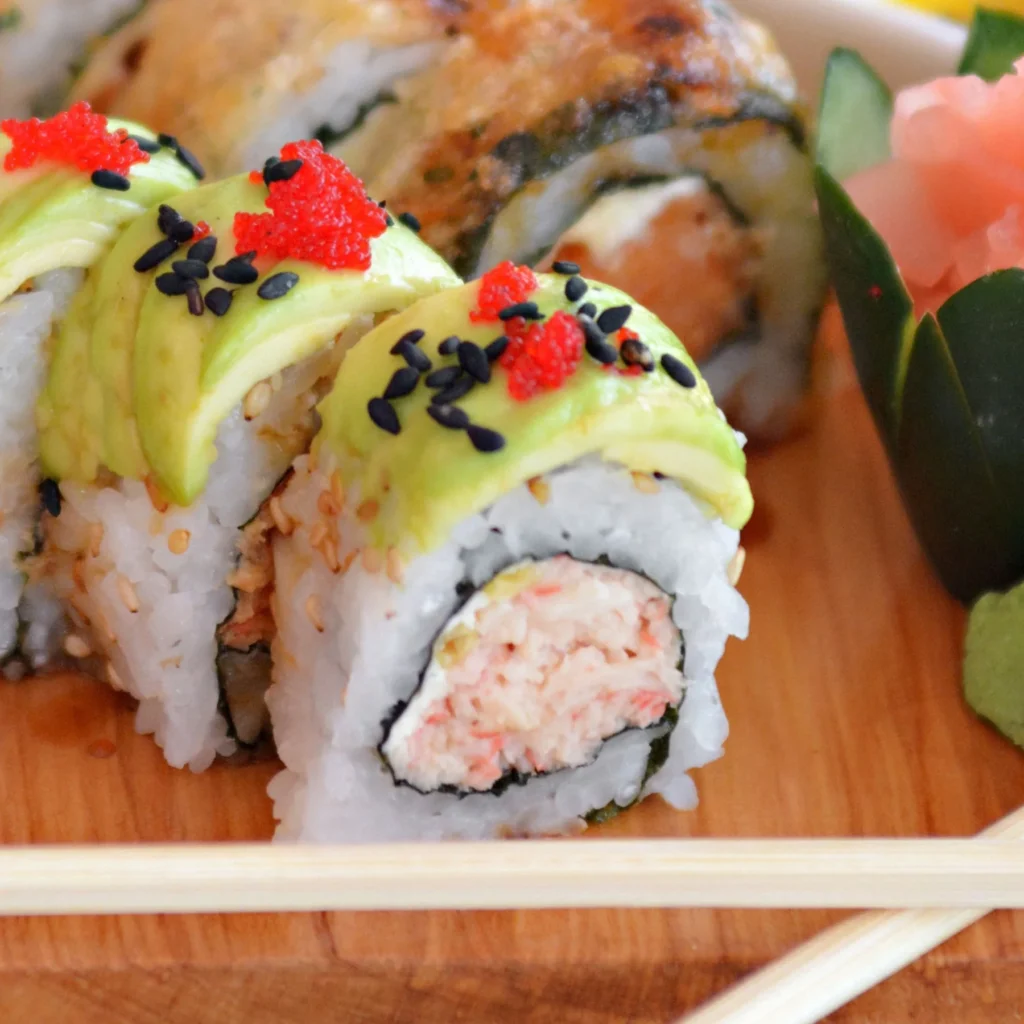
Sun Sushi and Grill Plans AYCE Restaurant in Former Phoenix AZ Cantina
A 5,750-square-foot proposal would bring sushi to a longtime West Greenway Road restaurant address.
November 1, 2026
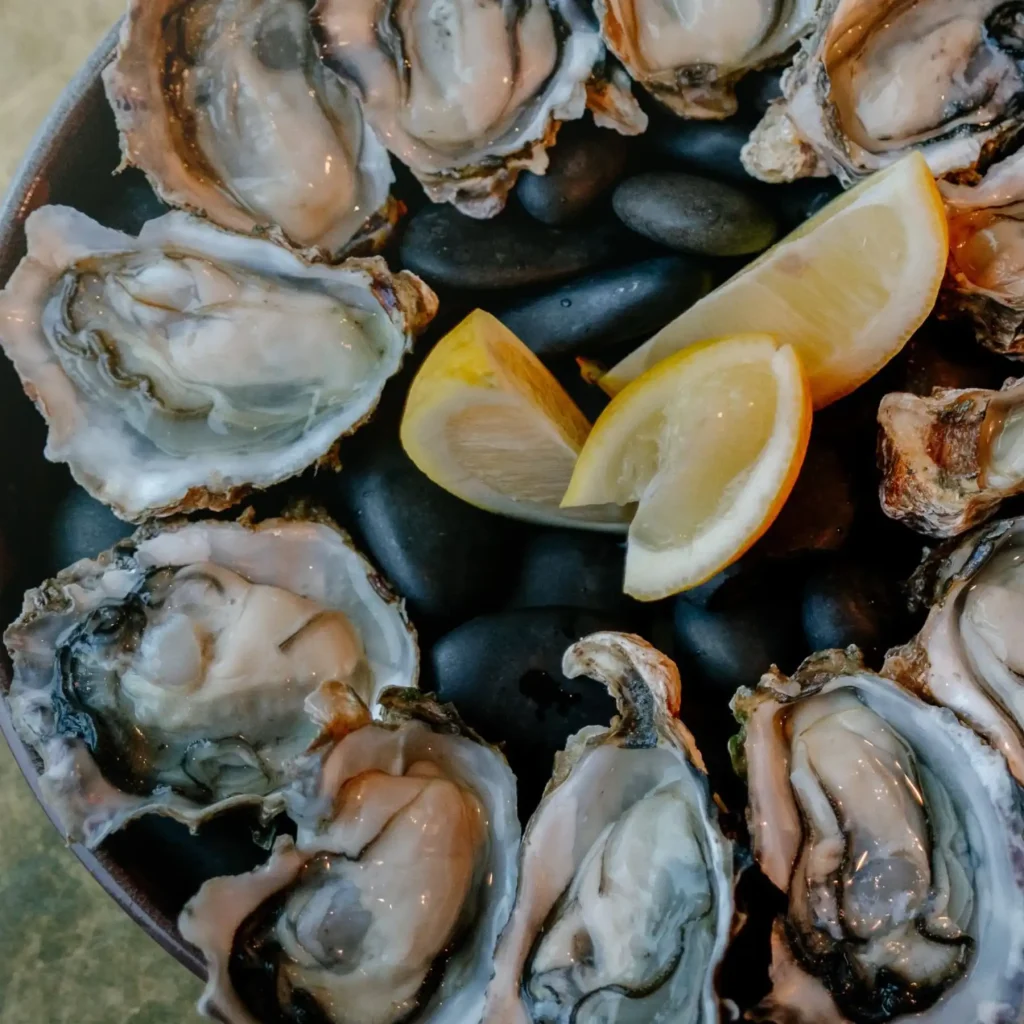
Waterman’s Crab House Launches Saturday Land & Sea Buffet in Rock Hall MD
Crab legs, oysters and prime rib headline a $45 buffet as the harbor restaurant explores off-season service.

NEWEST RESTAURANT PROFILES
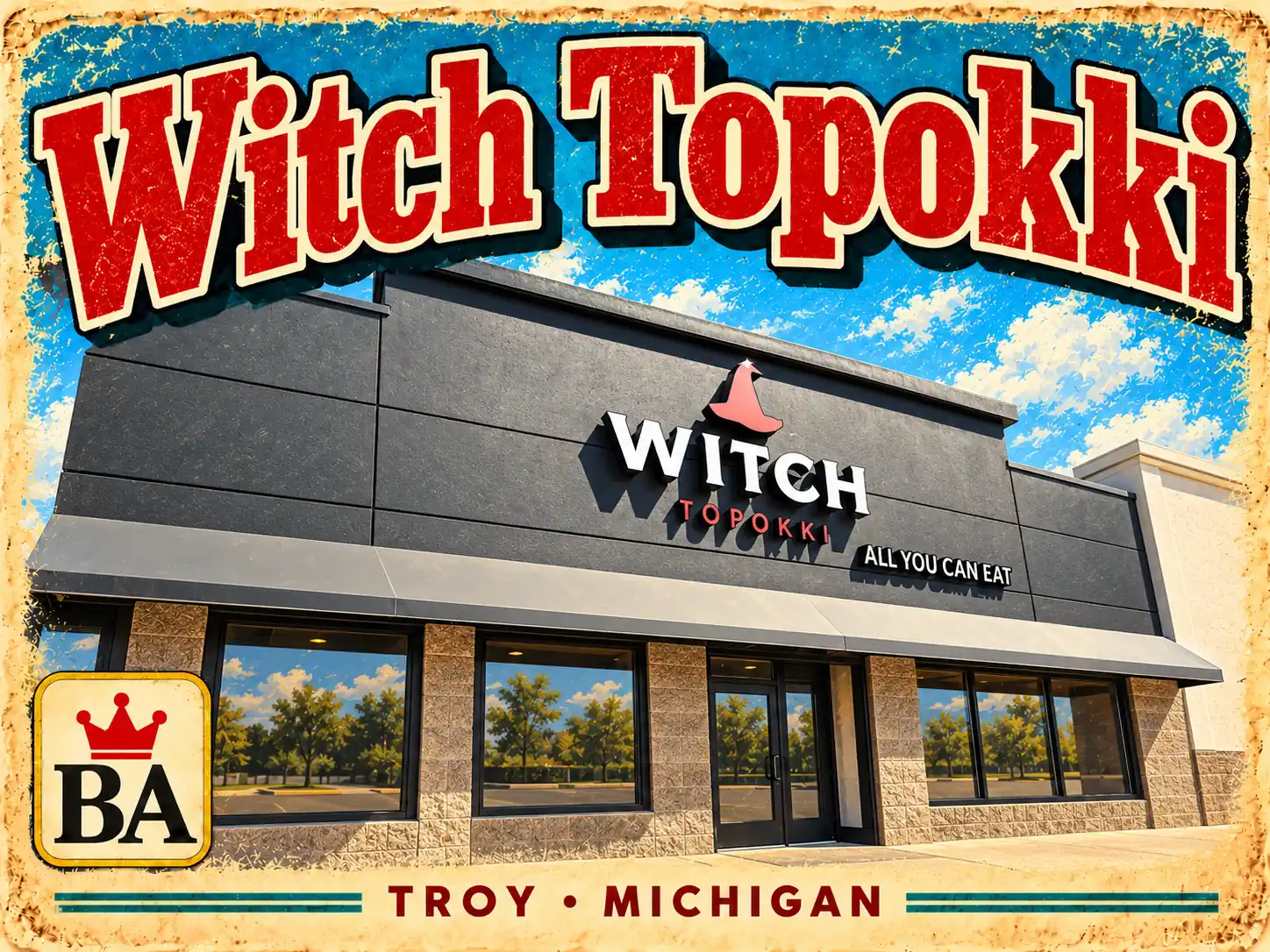
Witch Topokki
Troy,
Michigan
5th Tavern
Bloomfield Township,
Michigan

The Whitney
Detroit,
Michigan
Shaad Deshi Cuisine
Warren,
Michigan