
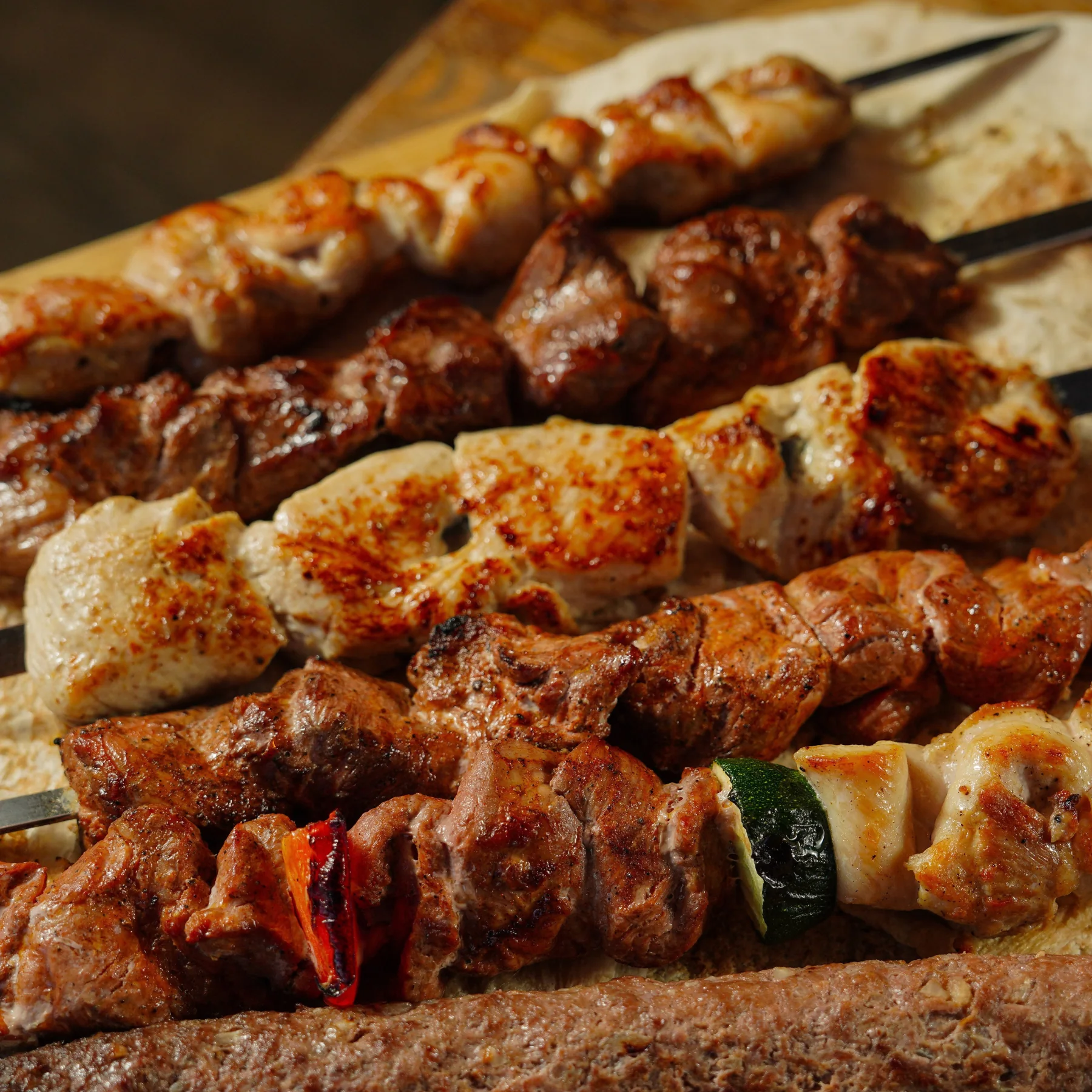
Alma in Portland, Oregon, has rebuilt its dining-room experience around all-you-can-eat small plates. Chef-owner Vedran Jordan temporarily closed the Balkan restaurant this spring and reopened it in June with a two-hour, $55 “all-you-can-enjoy” menu replacing the original à-la-carte dining-room format.
There is no buffet line. Guests order dishes from the table, receive them in rounds and may reorder throughout the two-hour seating. Alma’s current website also lists a $65 premium version, while limited à-la-carte service remains available at the bar.
Alma Replaced Its Original Dining-Room Format With Unlimited Small Plates
That makes the change more fundamental than adding an unlimited special on one quiet night of the week. Alma has reorganized the core dining room around abundance, using the pacing and presentation of small plates rather than self-service trays to deliver it.
The Balkan menu gives the format a different character from sushi AYCE or Korean barbecue. Instead of repeatedly ordering rolls or raw meat for tabletop cooking, diners move through composed dishes from a regional cuisine that is still relatively uncommon in Portland. The unlimited structure becomes a way to sample broadly rather than simply consume more of one item.
The AYCE Model Uses Repeated Table Service Instead of a Buffet Line
The two-hour limit also creates the operating discipline that table-service AYCE concepts need. Every additional round requires kitchen labor and service time, so the restaurant defines the experience by both price and duration.
Alma’s change is notable because it reverses a common industry direction. Restaurants often remove buffets or unlimited service when costs get difficult; Alma closed temporarily and came back with abundance as the main dining-room proposition. That does not make the economics simple, but it makes the intent unmistakable.
Portland now has a Balkan restaurant where deciding what to order can be postponed until after the first several plates.