
Kusina Ni Lorraine
Cuisine
Meal Periods
Dining Format
Phone
Cuisine
Meal Periods
Dining Format
Phone
EXPERIENCE
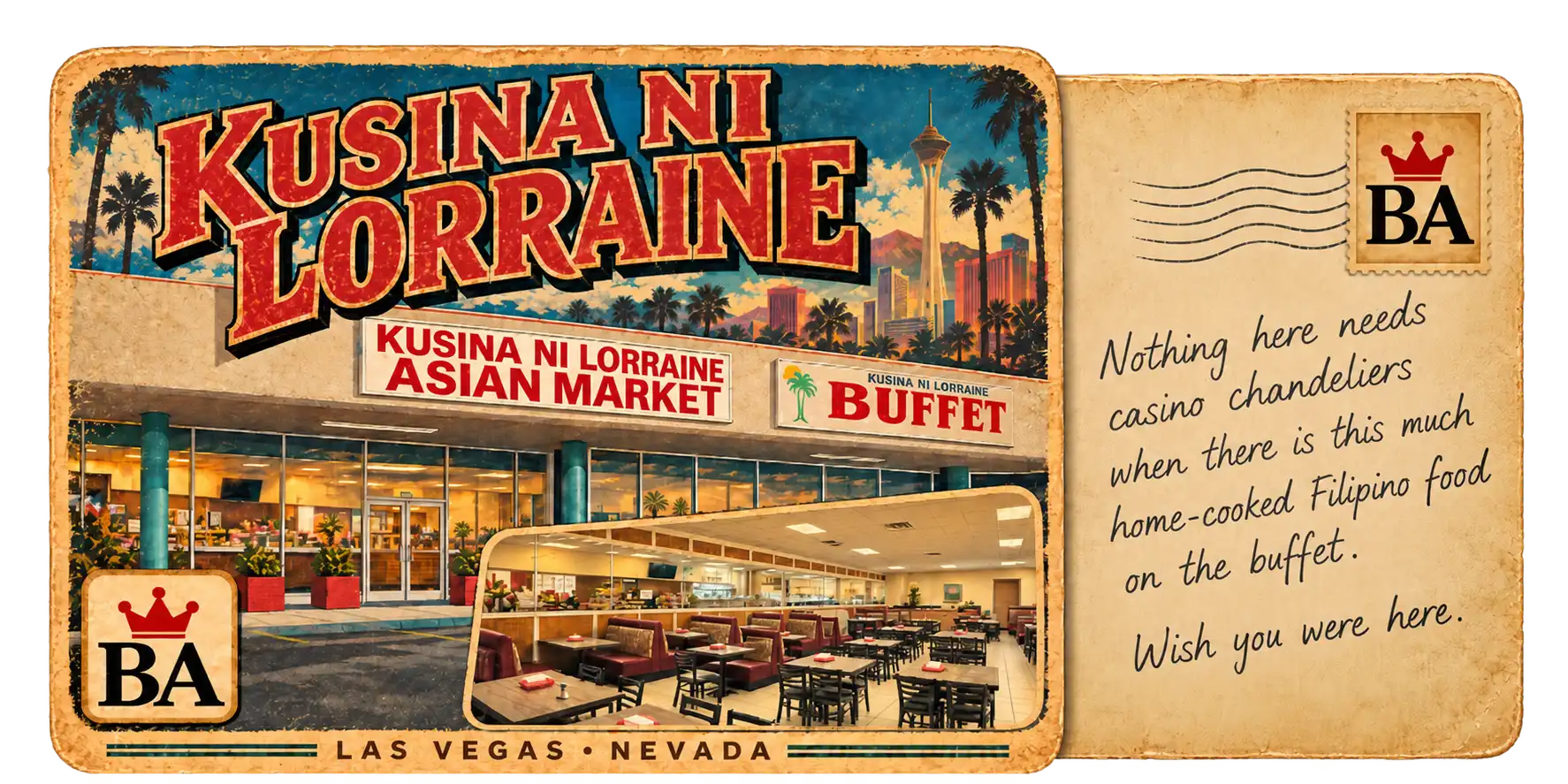
Kusina Ni Lorraine is a traditional Filipino buffet built around everyday cooking rather than Las Vegas theatrics. At the Maryland Parkway location, the buffet occupies a simple strip-mall dining room connected to a small Filipino market, and the food does most of the visual work. More than 20 rotating dishes can fill the steam table at once, with rice, noodles, soups, braises, vegetables, fried foods and fish arranged for repeated self-service trips.
The most distinctive part of the format is the use of small bowls alongside the usual plates and trays. That encourages sampling instead of committing half a plate to one stew. A first round can hold a few spoonfuls of kare-kare, dinuguan, sinigang, pinakbet and pancit without turning them into one mixed pool of sauces. For a cuisine with many braised and soupy dishes, the small-bowl system makes unusually good sense.
The room itself is practical and unceremonious: straightforward tables and chairs, bright lighting, a buffet counter and grocery shelves sharing the same overall space. The steam table is not heavily labeled, so guests unfamiliar with Filipino cooking may need to ask questions or simply work by sight. That gives the meal a little of the turo-turo tradition — point, choose, taste, return — even though the price is all-you-can-eat rather than per selection.
Kusina Ni Lorraine works best as a broad sampler of Filipino comfort food. The value is not a carving station, luxury ingredient or theatrical presentation; it is the ability to move among sour soup, peanut-rich stew, crisp fried pork, noodles, vegetables and salty fish in one meal. The buffet is generous enough that restraint becomes useful. Small portions on the first trip leave room to circle back once the dishes that suit you best have declared themselves.

FOOD
The food at Kusina Ni Lorraine is a broad survey of Filipino home-style cooking, with its clearest identity in stews, braises, pork, fish, noodles and rice rather than a fixed list of buffet standards. The lineup rotates, but kare-kare, dinuguan, sinigang, adobo, pancit, pinakbet and monggo give the steam table a recognizably Filipino structure. Sauces, broths and slow-cooked meats carry much of the meal.
Kare-kare is one of the defining choices when it is in the rotation: beef and tripe in a thick peanut sauce that wants steamed rice and a little bagoong nearby. Dinuguan moves darker, using pork and blood for a savory stew sharpened by vinegar. Sinigang supplies the sour side of the table, its tamarind-forward broth cutting through richer meats. Papaitan can add a bitter, deeply savory option for diners who want a more traditional edge.
The braised-meat side extends beyond those stews. Chicken adobo brings the familiar vinegar-and-soy combination, while bistek Tagalog pairs beef with onions and a salty-tart sauce. Menudo, kaldereta, humba and other sauced pork or beef dishes can rotate through the line. Their similarities make the small bowls useful: a few spoonfuls quickly reveal which sauce deserves a larger return portion.
Fish is not an afterthought. Fried galunggong, tuyo and tinapa milkfish bring salty, concentrated flavors that make plain rice essential, while squid or pusit may show up in a darker savory preparation. Other fish dishes can be fried, sauced or cooked with coconut. Bone-in fish and assertive flavors make this section feel closer to a Filipino family table than to a generalized Asian buffet.
Pancit provides the noodle backbone. Depending on the rotation, that can mean bihon, canton, miki, sotanghon or another combination, giving the buffet a lighter option beside the stew-heavy dishes. Vegetables are just as useful: pinakbet, monggo, laing and coconut-cooked vegetables can bring squash, beans, leafy greens, eggplant or bitter melon into the mix. They are part of the cuisine’s everyday balance, not decorative sides.
Then come the foods that are easy to recognize before the first bite. Lumpia Shanghai offers crisp, compact pork rolls; lechon kawali brings fried pork belly with a crunchy exterior and rich interior; chicharon bulaklak pushes further into crisp fried pork. Tocino, barbecue skewers and other sweet-savory meats can add caramelized edges to a plate otherwise dominated by braises.
Rice ties nearly everything together. Steamed white rice absorbs sinigang broth, peanut sauce, adobo juices and the salt of dried or smoked fish, while fried rice offers a more seasoned base. Skipping rice to “save room” can make the meal less coherent. A modest scoop under several small bowls lets the sauces stay separate while still giving each one somewhere to land.
Dessert is more variable than the savory side, but coconut and mung bean preparations fit naturally when they appear. Ginataang monggo, coconut tapioca or a taro-and-banana sweet can finish the meal in the same home-style register as the main dishes. More elaborate Filipino sweets and drinks may be sold separately through the market or adjoining counters, so the buffet’s clearest strength remains its savory spread.
FOOD HIGHLIGHTS
♛ Kare-Kare — peanut-rich beef and tripe stew made for steamed rice.
♛ Dinuguan — dark, savory pork stew sharpened with vinegar.
♛ Sinigang — tamarind-sour soup that cuts through richer dishes.
♛ Chicken Adobo — soy-vinegar braised chicken, a foundational Filipino staple.
♛ Pancit — stir-fried noodles balancing the buffet’s saucier dishes.
♛ Pinakbet — mixed vegetables cooked in a deeply savory Filipino style.
♛ Fried Galunggong — salty fried fish that calls for plain rice.
♛ Tinapa Milkfish — smoky milkfish with concentrated, distinctly Filipino flavor.
♛ Lumpia Shanghai — crisp pork rolls built for easy repeat trips.
♛ Lechon Kawali — fried pork belly with crunch outside and richness within.
♛ Chicharon Bulaklak — crisp-fried pork ruffle with deep savory crunch.
♛ Ginataang Monggo — coconut-sweet mung bean preparation from the dessert side.
LATEST FROM THE WIRE
November 1, 2026
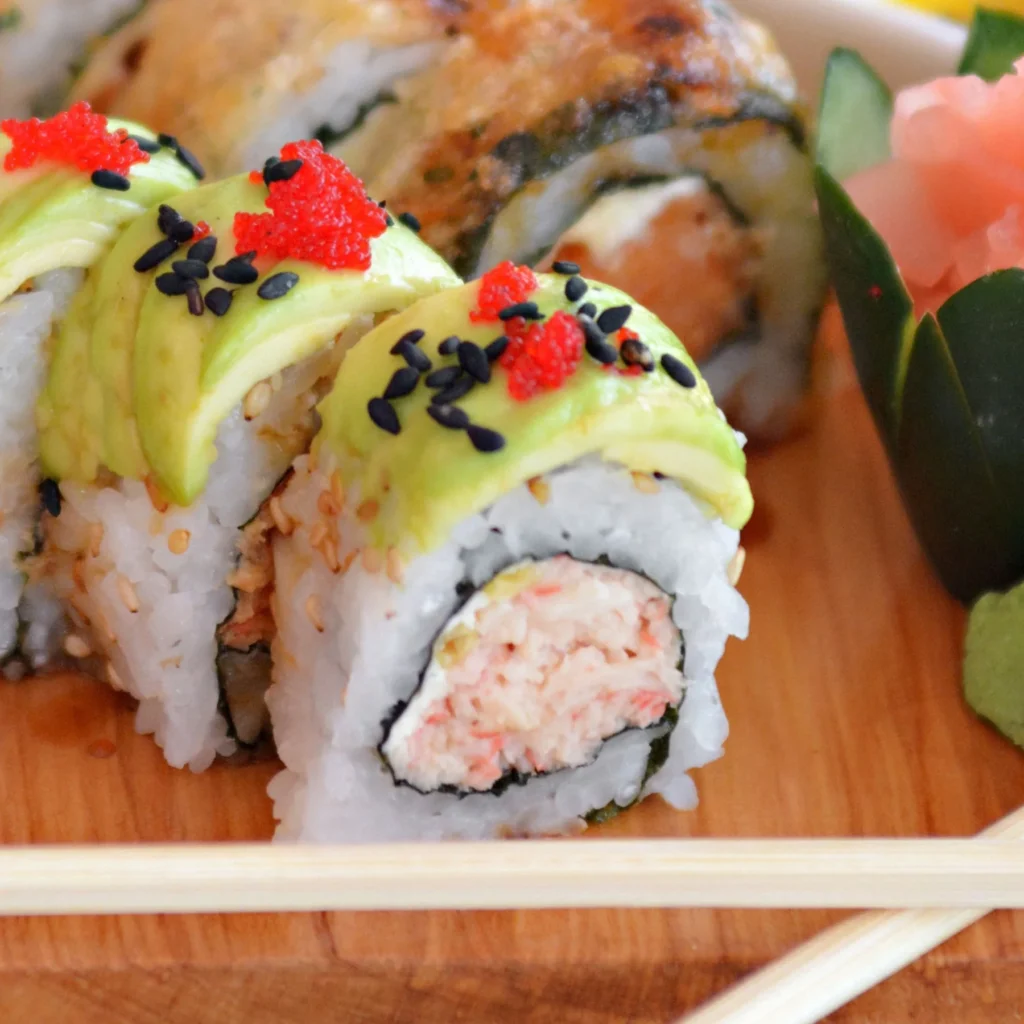
Sun Sushi and Grill Plans AYCE Restaurant in Former Phoenix AZ Cantina
A 5,750-square-foot proposal would bring sushi to a longtime West Greenway Road restaurant address.
November 1, 2026
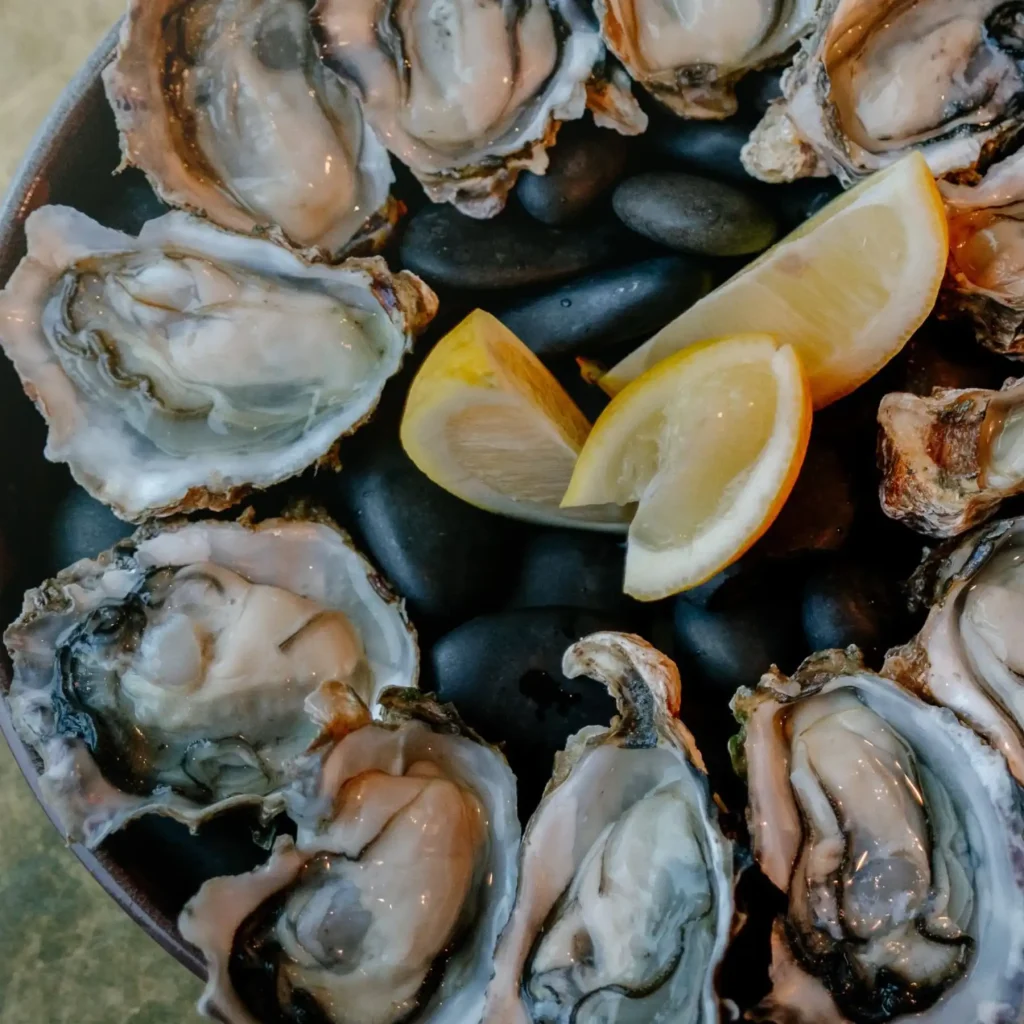
Waterman’s Crab House Launches Saturday Land & Sea Buffet in Rock Hall MD
Crab legs, oysters and prime rib headline a $45 buffet as the harbor restaurant explores off-season service.

NEWEST RESTAURANT PROFILES

Witch Topokki
Troy,
Michigan

5th Tavern
Bloomfield Township,
Michigan

The Whitney
Detroit,
Michigan

Shaad Deshi Cuisine
Warren,
Michigan